What the market asks for
To install a battery energy storage system in North America — and increasingly in Europe, the Middle East and Australia — a manufacturer typically needs:
| Requirement | Purpose |
|---|---|
| UL 9540 listing with UL 9540A data | System safety; data for spacing and protection decisions under NFPA 855 and the IFC |
| UL 9540B | Residential systems where local codes require large-scale fire data |
| Large-scale fire test | What happens when a unit is fully involved in fire |
| Explosion control to NFPA 68 / 69 | Venting or ventilation design, verified by test or simulation |
| Fire-rated enclosures and barriers | Justify reduced spacing; meet building-code requirements |
How we cover it
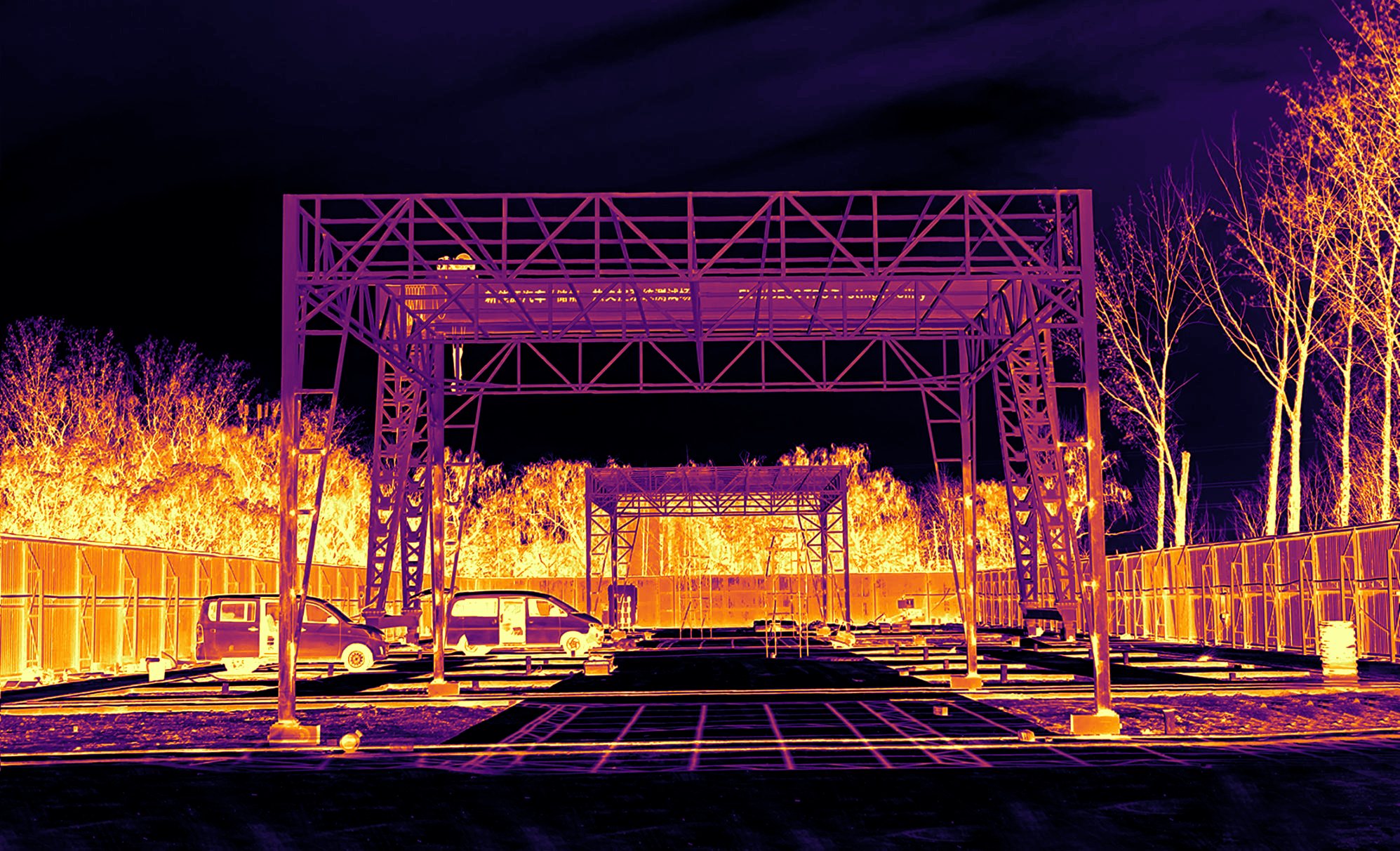
- Test: cell, module and unit tests within our CNAS scope; installation-level tests; large-scale fires up to 20–40 MW in Hebei and 20 MW indoors in Jiading; container deflagration tests in Nantong; fire resistance of enclosures and barriers.
- Simulate: deflagration and fire spread modelling to design vents and spacing, plan large-scale tests and explain their results; thermal runaway research with Tongji University.
- Consult: NFPA 855 gap analysis, NFPA 68/69 design, AHJ support, with P.E. stamping through Summit and Jensen Hughes.
Our energy storage clients include leading cell and system manufacturers in China. We work as a witness laboratory for TÜV Rheinland, Intertek and CSA.