
In our previous article we described how large-scale fire testing is changing: a new edition of NFPA 855 is about to take effect, and energy storage fire standards around the world are converging faster.
With NFPA 855 G.11 and the new UL 9540A annex about to come into force, large-scale fire testing has gone from an optional extra to a mandatory threshold for the energy storage industry.
In response to this trend, leading manufacturers worldwide such as BYD and Powin have moved early, embracing the change in testing to prepare for winning market share, and we understand that many other manufacturers are preparing for these tests too.
What is large-scale fire testing?
Why carry out large-scale fire testing? Experience tells us that energy storage battery fires cannot be entirely prevented. Despite the many preventive measures taken in the design, manufacture and operation of storage systems, risks such as battery thermal runaway remain.
Large-scale fire testing quantifies the limits of fire spread and gives AHJs (authorities having jurisdiction) and insurers "worst-case" data that is as close to reality as possible. It is not only a strict regulatory requirement for storage products but also a key step in ensuring that storage systems are safe and reliable in real use.
The test shows more clearly how a storage product behaves in an extreme fire scenario, providing a basis for optimising and improving the product.
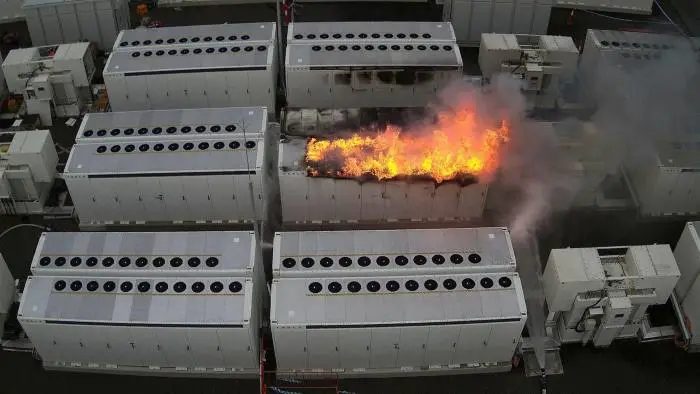
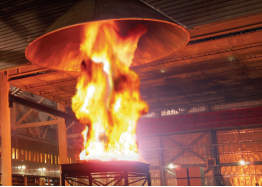
The principle of large-scale fire testing is to simulate how a prefabricated enclosure actually behaves in a fire, verifying its fire performance and its ability to control fire spread.
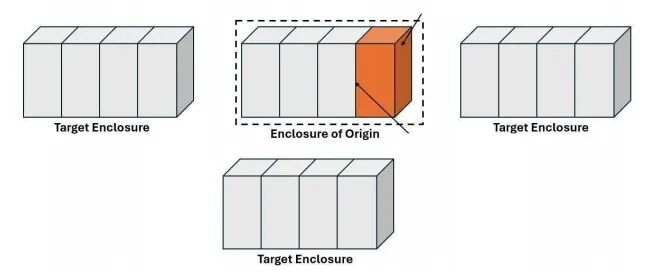
Typically, one main enclosure and three secondary prefabricated enclosures are placed together under a large calorimetry system. Cells inside one or more modules of the main enclosure are heated, and once they go into thermal runaway, a spark igniter sets the main enclosure burning. Temperature, heat flux, gas composition and other parameters are monitored in real time. If the main enclosure burns on a large scale without the module surface temperature in any of the three secondary enclosures exceeding the cell venting temperature, and without any cell thermal runaway or open flame in them, and the enclosure does not deform, the test is passed; otherwise it is failed.
The test reproduces the complex conditions of a real fire and places very high demands on the fire resistance, thermal insulation and structural stability of the prefabricated enclosure. Only by passing such a test can a storage product prove that it is safe enough in a serious fire, able to contain fire spread effectively and protect neighbouring equipment and people.
How to pass a large-scale fire test
Many manufacturers ask how they can pass a large-scale fire test. In our view, the answer lies in the product's construction and performance. A product built to NFPA 68, fitted with deflagration vent panels, releases the test flames mainly from the top, so radiant heat to the surrounding cabinets is lower than for a product designed only to NFPA 69, and it is easier to pass. Beyond NFPA 68 and NFPA 69 design questions, though, a large-scale fire test ultimately comes down to the structure "holding out": under the prolonged assault of a large fire, the fire resistance of the prefabricated enclosure structure is the core factor that decides whether the test is passed.
Where conventional enclosure materials fall short
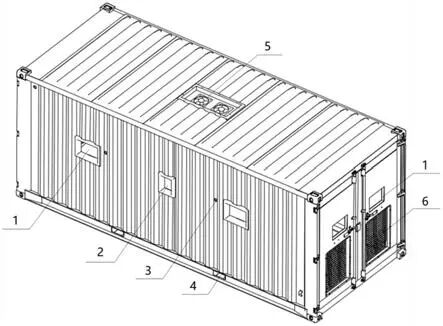
Most prefabricated enclosures today use building-grade steel sheet with mineral wool infill, and these materials have clear shortcomings in fire resistance and thermal insulation. Faced with the momentary high temperatures of a lithium battery deflagration, conventional materials struggle to block heat conduction and flame spread, so the fire can spread quickly and module temperatures in neighbouring enclosures can run out of control, setting off a chain reaction and failing the test. Conventional materials also have poor structural stability at high temperature and are prone to deformation and collapse, so they cannot give the storage system reliable protection.
New fire-resistant insulating materials
To overcome the limits of conventional materials and better stop fire spread, more and more material suppliers are developing better, innovative fire-resistant materials aimed at energy storage fires. Good fire-resistant insulating materials block heat conduction and slow flame spread in a fire, buying the storage system more time. In recent exchanges with the industry, Huahui Fire came across a patented product, the "DSP fire-resistant insulation board", which is a strong solution to this problem.
The DSP board is based on water-based polymer flame-retardant technology. Its nanoscale pore structure blocks heat conduction and flame spread, and even in the momentary high temperatures (over 1000 °C) of a lithium battery deflagration this structure provides strong insulation, keeping the temperature on the unexposed face stable and under control. The technology goes beyond the limits of conventional materials and gives prefabricated enclosures strong protection in extreme fire conditions.
The DSP board has undergone preliminary testing of its performance in the extreme high temperatures of an energy storage container, and the material performed very well.
Fire resistance test performance
To verify the fire resistance of the material, Huahui Fire was commissioned to test it rigorously, and the DSP board performed impressively in our fire resistance test. The material uses a composite construction of "steel sheet on both faces plus a 40 mm DSP layer", 43.6 mm thick in total, combining light weight with very high strength.
The test was a 120-minute fire resistance test to ANSI/UL 263-2022 (fire tests of building construction and materials), followed immediately by a hose stream test.
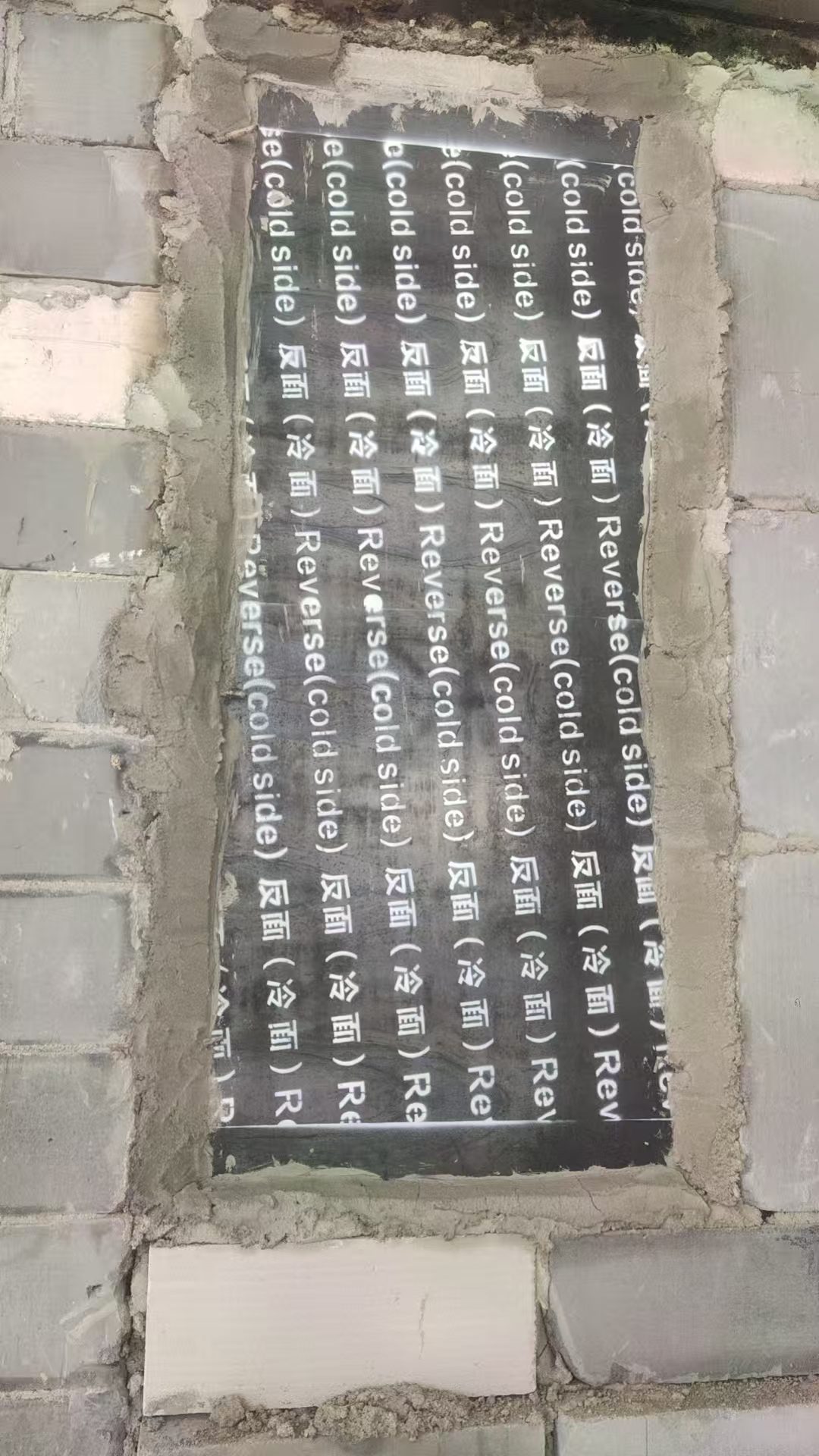
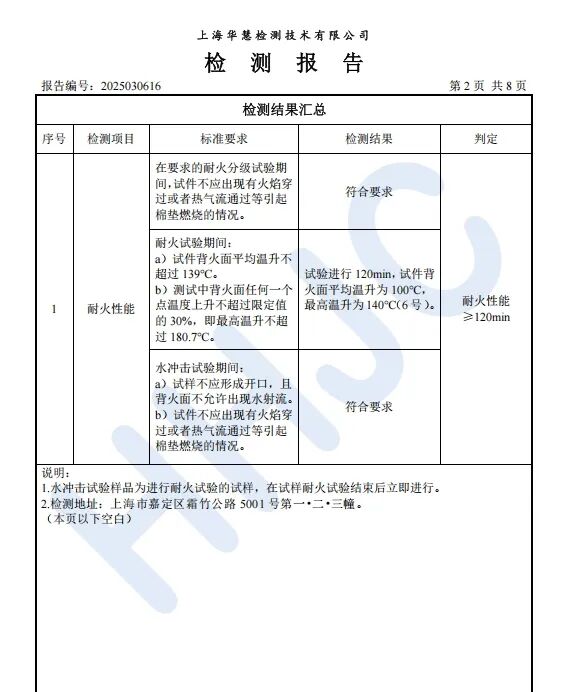
The results were striking — the material stood firm:
-
Fire resistance: after 120 minutes of continuous exposure, the mean temperature rise on the unexposed face was 100 °C and the maximum rise only 140 °C, well below the limits in the standard (mean ≤ 139 °C, maximum ≤ 180.7 °C). This shows the outstanding insulation of the DSP board: under prolonged high-temperature flame it effectively limits the temperature rise on the unexposed face, preventing heat from reaching the secondary enclosures and pushing module surface temperatures above the venting temperature or into thermal runaway.
-
Hose stream: immediately after the fire test, a high-pressure hose stream test (207 kPa, 29 seconds) produced no openings and no water projection through the specimen, and structural integrity was intact. This shows that the DSP board not only has excellent fire resistance but also stays structurally stable under the complex conditions after a fire, such as the impact of firefighting water, further improving its practicality and reliability in real fires.
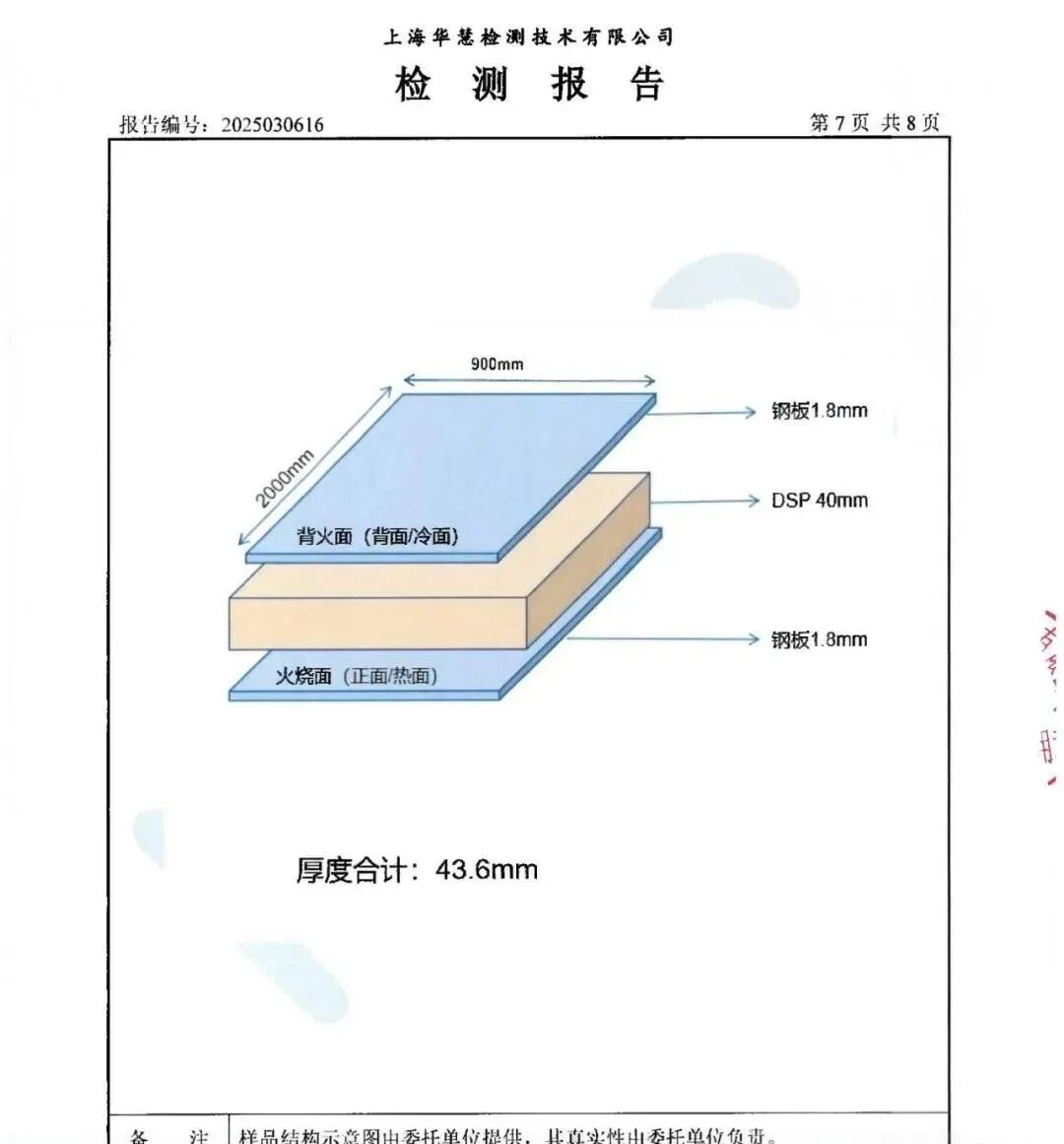
Construction drawing
Test results
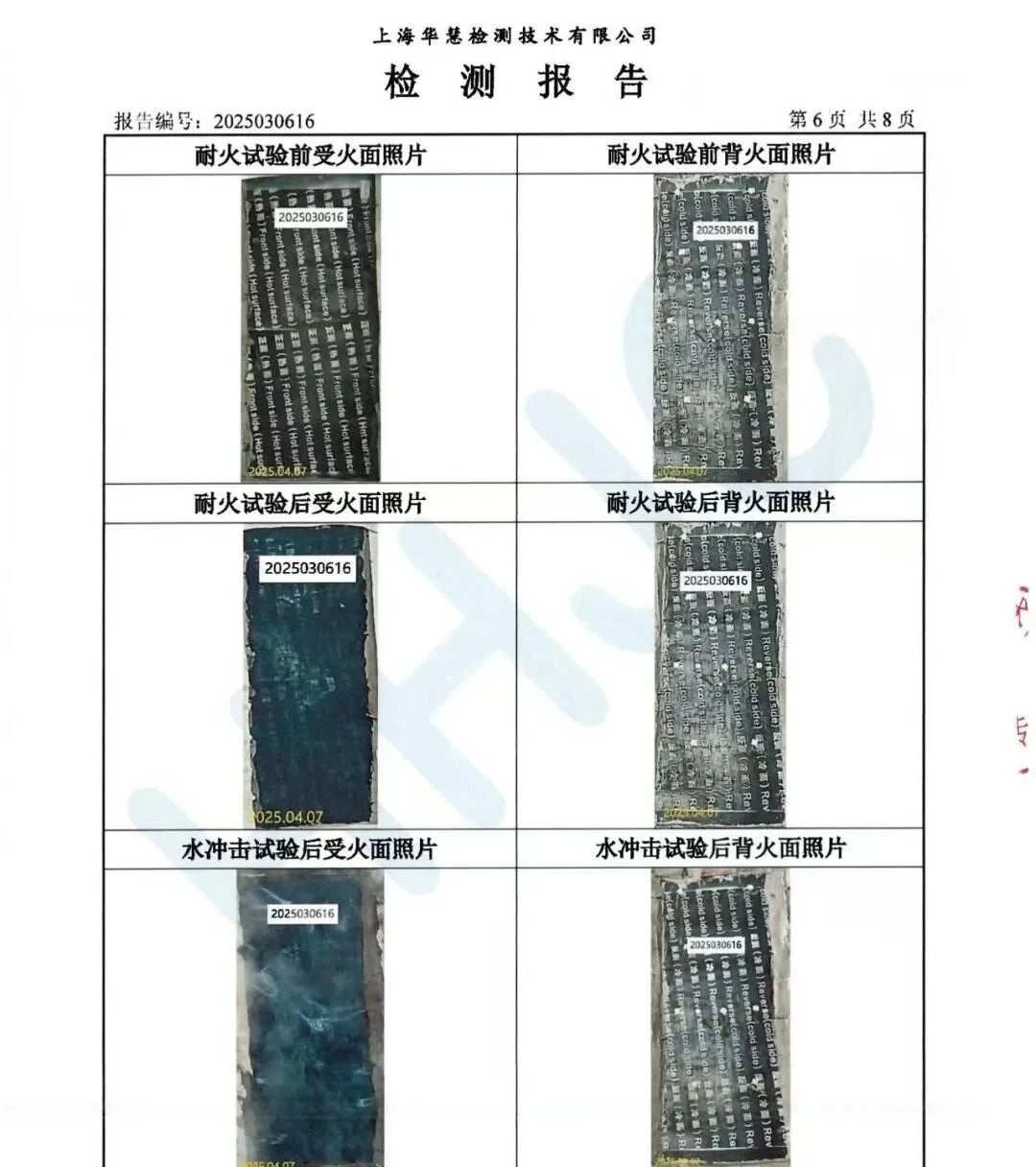
Test photos
Materials driving safety upgrades
The test results show that the new DSP board insulates very effectively. In a large-scale fire test, using it for enclosure partitions and wall panels can effectively limit the spread of heat and keep module temperatures in the neighbouring enclosures within a controllable range, greatly improving the enclosure's chance of passing.
Large-scale fire testing becoming routine marks a shift in storage safety from "passive defence" to "active protection". The success of the DSP board confirms the core value of materials technology. For manufacturers, passing a large-scale fire test is a key threshold for market entry; using the DSP board for the prefabricated enclosure can improve the chance of passing, make the product more competitive and win customers' trust.
The DSP board is already used successfully in the prefabricated enclosures of leading manufacturers and is widely recognised.
As new energy develops rapidly, the demands on storage safety keep rising. As a testing and certification laboratory in the energy storage field, Huahui Fire looks forward to seeing more high-performance, high-quality materials that offer more complete solutions for storage safety.
Industry seminar
As a specialist laboratory focused on energy storage testing, Huahui Fire is committed to building a collaborative platform of "testing technology plus innovative materials" and to offering clients end-to-end solutions. In testing materials for prefabricated enclosures, we have together witnessed the excellent performance of the DSP board. As companies launch higher-performance product ranges, the storage industry will gain safer and more economical solutions, and Huahui Fire will continue in its role of technical testing, safeguarding storage safety.
With this in mind, Huahui Fire and the material supplier plan to hold a seminar in May 2025 on how new materials can improve energy storage safety. This three-way dialogue between storage manufacturers, testing bodies and material suppliers will help you solve the coordination challenges of large-scale fire testing.
We warmly invite energy storage manufacturers and safety technology experts to take part.
Date: May 2025 (exact date to be announced)
Contact us: +86 21 6991 3579, [email protected], or send a test request on this website.
First published on our WeChat channel: read the original