

From no requirements to strict requirements
The 2014 edition of the national standard GB 51048 placed lithium battery buildings in Class E (the lowest fire hazard category under Chinese codes). Since the 2024 revision they are Class B, with fire resistance rating and fire separation distance requirements on a par with chemical plants.
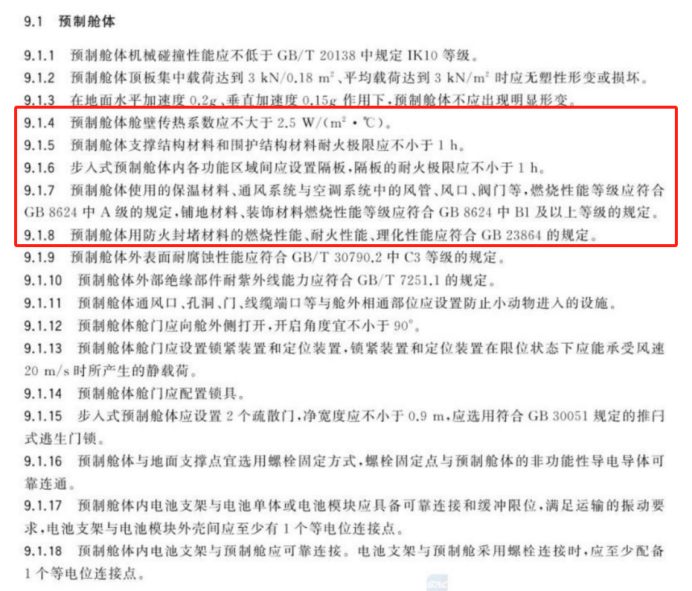
GB/T 44026-2024 (China's national technical specification for prefabricated-cabin lithium-ion battery energy storage systems) was published on 28 May 2024 and came into force on 1 December 2024. Its Chapter 9 requires fire resistance testing of both the structural materials of the prefabricated cabin and its fire stopping materials.
Clause 9.1.5 requires the structural materials of the prefabricated cabin to be tested for fire resistance, with a test report showing a fire resistance of not less than 1 h.
Clause 9.1.6 requires the partitions to be tested for fire resistance as well, again with a test report showing a fire resistance of not less than 1 h.
Since 2023, following repeated energy storage fires, Zhejiang, Hainan and other provinces have made third-party fire testing mandatory. Fire resistance testing has become a threshold for compliance.
GB/T 44026-2024, in force since 1 December 2024, is the guidance document among national and industry standards for prefabricated-cabin (cabinet) energy storage systems in electrical energy storage. Its Chapter 9 also requires the structural materials of the prefabricated cabin to be tested for fire resistance, and fire stopping materials to have test reports on reaction to fire, fire resistance and physical and chemical properties meeting GB 23864 (China's national standard for fire stopping materials).
In practice, projects also set specific fire resistance requirements of their own. For example:
One energy storage tender stated: "The battery storage area and the electrical control area of the energy storage cabin shall be effectively separated by fire separating elements with a fire resistance of not less than 2.5 hours."
The standards most commonly used for fire resistance testing of container enclosures are:
-
GB/T 9978: the series of fire resistance test methods for building elements, the standard commonly used in China for fire resistance testing of building elements. It sets out test methods and criteria for the fire resistance, loadbearing capacity, integrity and insulation of building elements under standard fire test conditions. Containers tested for fire resistance in China can be tested with reference to this standard.
-
ASTM E119: Standard Test Methods for Fire Tests of Building Construction and Materials. An important US standard for fire resistance testing of all kinds of building construction and materials, it also applies to enclosures such as containers that resemble building construction. It mainly tests the fire resistance of building elements under specified fire conditions, including their integrity and insulation.
-
BS 476-20: the British standard for fire tests on building materials. It is mainly used to assess the fire resistance of non-loadbearing building materials at high temperature, and can be used to test vertical separating elements, partitions, glazed building materials and so on. It is a useful reference for testing the fire resistance of a container's outer skin and similar parts.
-
KS G4500: the Korean standard for fire-resistant containers. Published by the Korean Agency for Technology and Standards, it deals specifically with fire-resistant containers and sets out their design, performance and test requirements. If a container is destined for the Korean market or a related project, fire testing to this standard may be needed.
-
ISO 19281: design, performance and testing requirements for fire-resistant containers for air cargo. Developed by the International Organization for Standardization, it covers the design, performance and testing of fire-resistant containers used in air freight. Containers that will travel by air must meet its fire resistance requirements.
Below is an example from a test we ran on container enclosure panels (published with the client's permission).
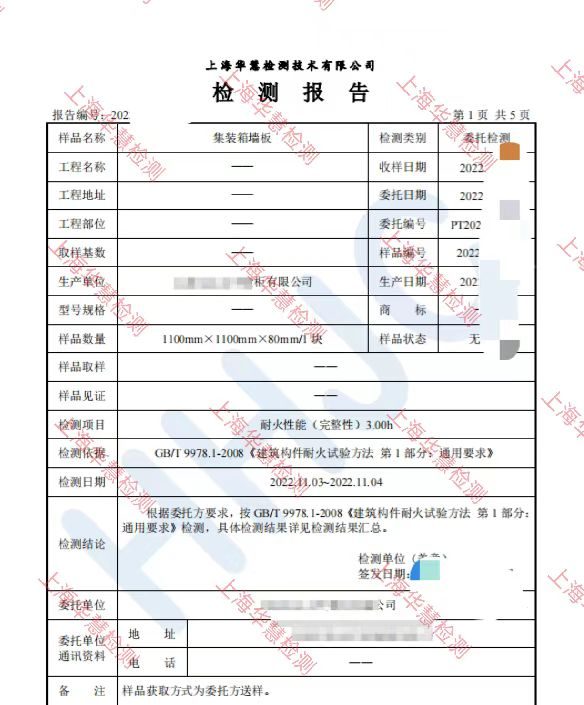
A company commissioned the Huahui lab to test the fire resistance of container enclosure panels. At the client's request, the test was carried out to GB/T 9978.1-2008 (fire resistance tests for building elements: general requirements).
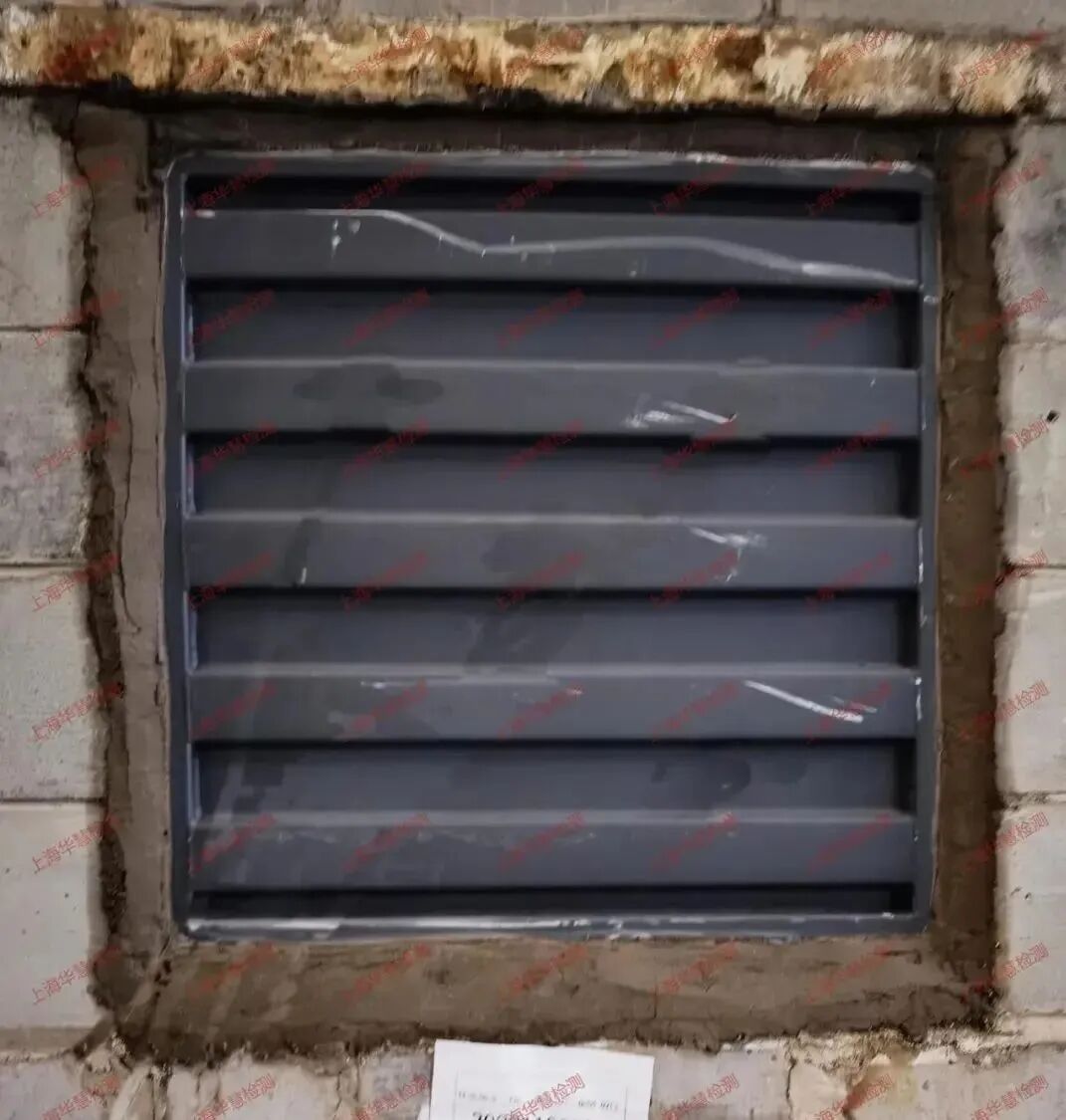
Before the test
After the test
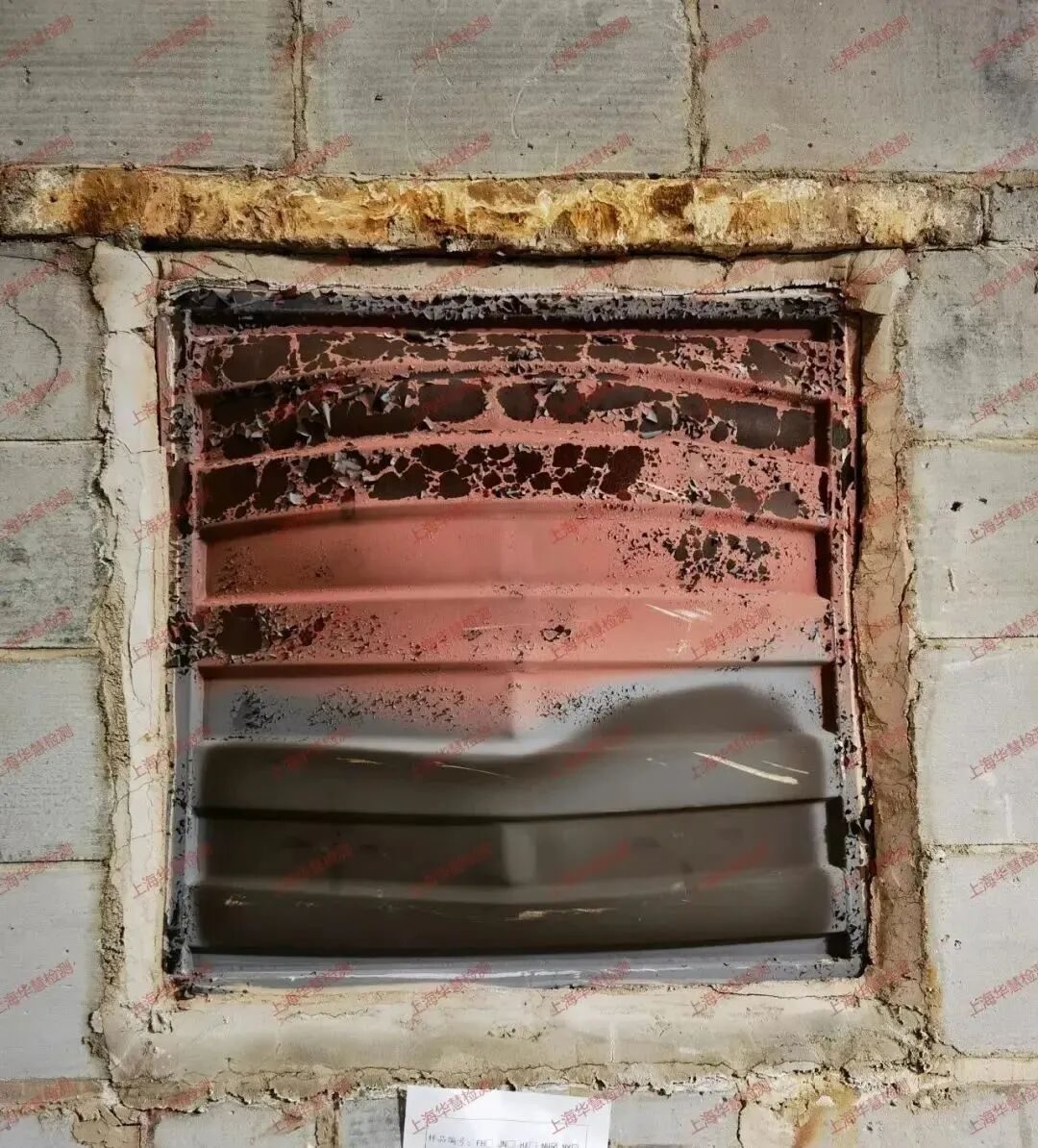
After the test, the specimen's surface was glowing red but showed no cracks, there was no flaming on the unexposed face, and the specimen had not lost integrity.
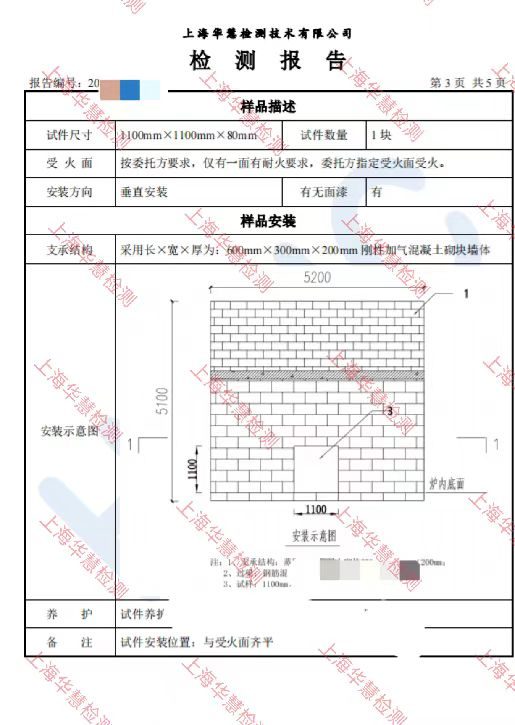
Sample report: below are extracts from some of the pages, with key information blurred to protect the client's privacy.
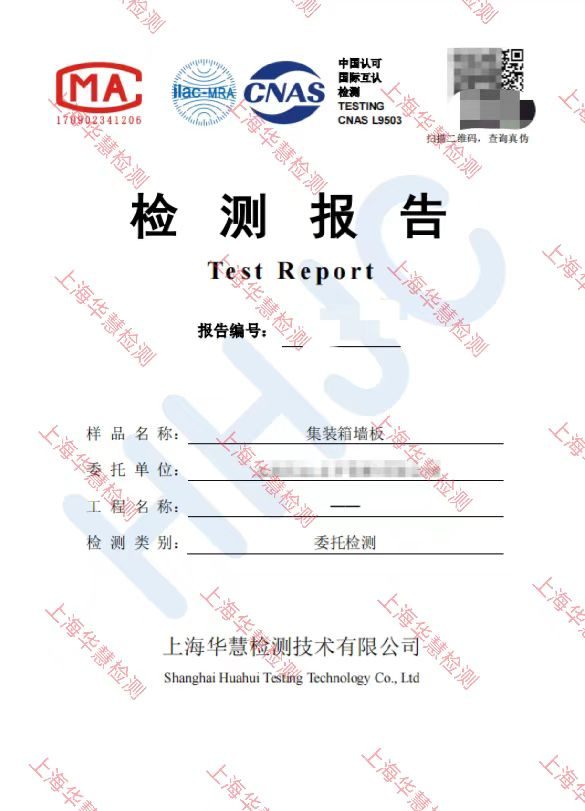
Report cover
Commission details
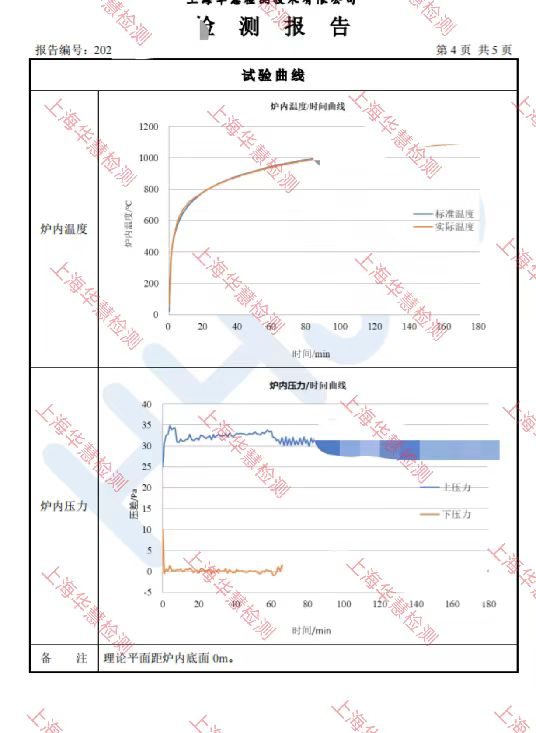
Test curves
Specimen installation and description
The fire resistance requirements for energy storage containers are, at heart, the industry's answer to a "safety paradox": the larger energy storage grows, the further ahead safety standards need to be. From national standards to local codes, from flame-retardant materials to fire-resistant structures, these requirements are more than clauses: they are rules for survival learned through hard lessons. Huahui Fire has many years of experience in fire resistance testing. Get in touch to find out more.
Contact us: +86 21 6991 3579, [email protected], or send a test request on this website.
First published on our WeChat channel: read the original