

Overview
GB/T 16810-2026, Fire resistance requirements and test methods for safes, is China's core recommended (voluntary) national standard on the fire resistance of safes. It was published by the State Administration for Market Regulation and the Standardization Administration of China on 31 March 2026, takes effect on 1 October 2026 and fully replaces GB/T 16810-2006. It was proposed by the National Fire and Rescue Administration and is under the responsibility of the National Technical Committee for Fire Protection Standardisation. It is the technical basis for product design, manufacture, testing and certification, quality regulation and specification of safes in the fire and security sector.
GB/T 16810 standardises the technical criteria for the fire resistance of safes, specimen conditions, test apparatus, test procedures and test report requirements. It applies to the fire resistance testing and rating of all kinds of safes used to store paper documents, electronic storage media, valuables and so on, covering residential, commercial, financial, archive and government settings, and establishes a complete evaluation system from basic fire resistance to combined conditions.
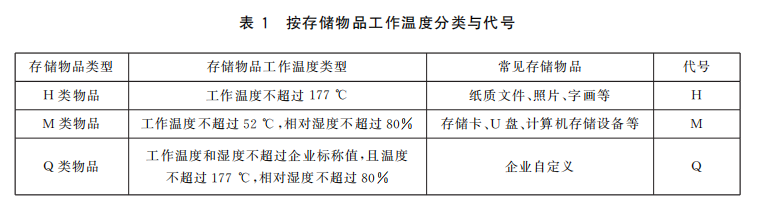
Classification and codes
Classification and codes by working temperature of the stored items
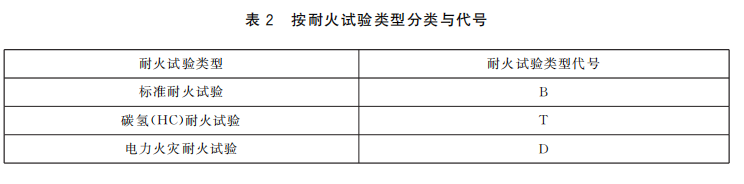
Classification and codes by type of fire test
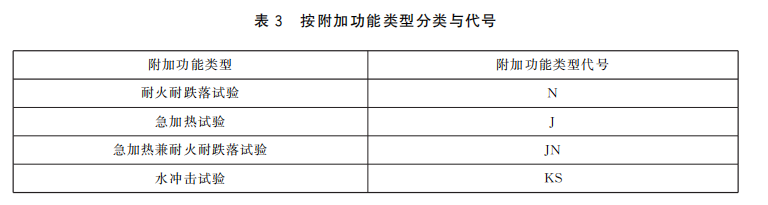
Classification and codes by additional function
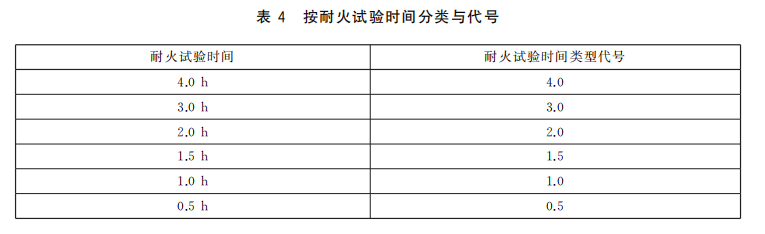
Classification and codes by fire test duration
Core fire resistance requirements
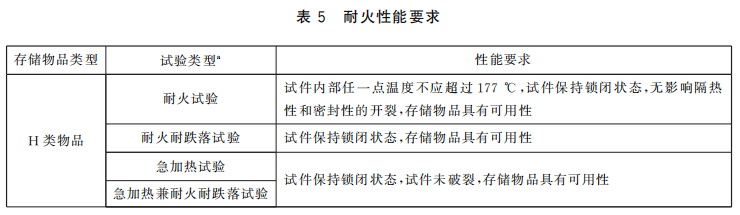
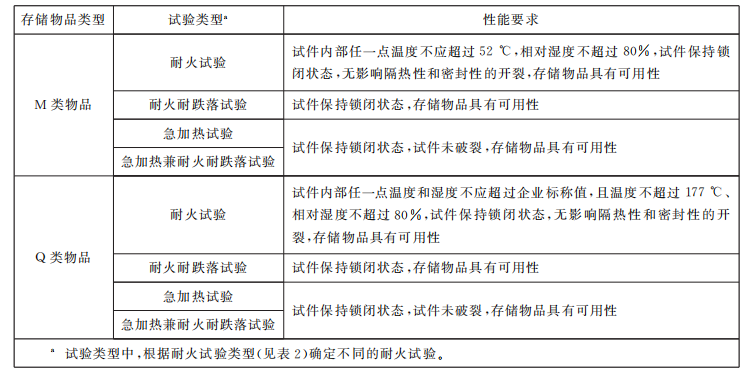
Under GB/T 16810-2026, a safe must meet the temperature and humidity limits for the type of items it stores. It must stay locked throughout the test, with no cracking or rupture that affects insulation or sealing, and the stored items must remain usable after the test.
For class H items, the internal temperature must not exceed 177 °C; for class M items, the internal temperature must not exceed 52 °C and the relative humidity 80%; for class Q items, temperature and humidity must not exceed the values declared by the manufacturer, nor the upper limits above. After the additional tests — fire and drop, sudden heating, combined sudden heating with fire and drop, and hose stream — the safe must still meet the requirements for structural integrity and usability of the contents.
Tests
Fire resistance testing of safes comprises 4 core tests, which may be combined with a hose stream test, covering basic fire resistance, impact resistance, thermal shock resistance and combined extreme conditions.
Fire endurance test: the furnace follows the heating curve of GB/T 9978.1, with internal temperature and humidity sensors recording data in real time. After assessment during the cooling phase, the usability of the contents is checked. A hose stream test (pressure 0.21 MPa, 1 min) can be added to verify combined water and fire resistance.
Hose stream test: carried out within 5 minutes of the end of the fire test, at 0.21 MPa, directed at the safe from 6 m away, for 1 minute, to check combined water and fire resistance; the contents must not be noticeably wet.
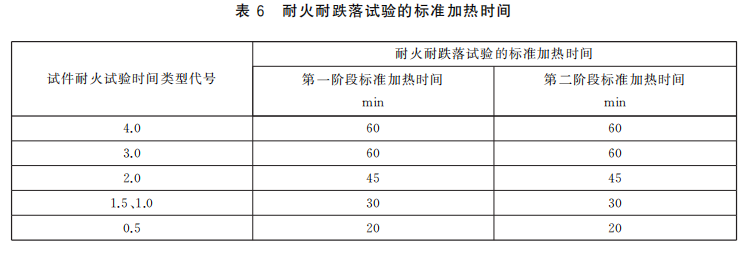
Fire and drop test: standard heating in two stages, with a drop from a height of 9.1 m in between to simulate the safe falling during a fire, testing both structural strength and insulation. Heating times are set according to the fire rating.
Sudden heating test: the furnace is brought to 1090 ± 5 °C within 10 minutes and the specimen placed in it quickly and held at temperature, simulating a sudden high-temperature fire. It tests the safe's resistance to thermal shock, to prevent structural cracking and failure under sudden high temperature.
Combined sudden heating, fire and drop test: sudden heating first, then a fire endurance test, then the fire and drop procedure; this is the highest level of combined testing. Key criteria: no rupture or loss of locking throughout, and final fire resistance and usability of the contents meet the requirements.
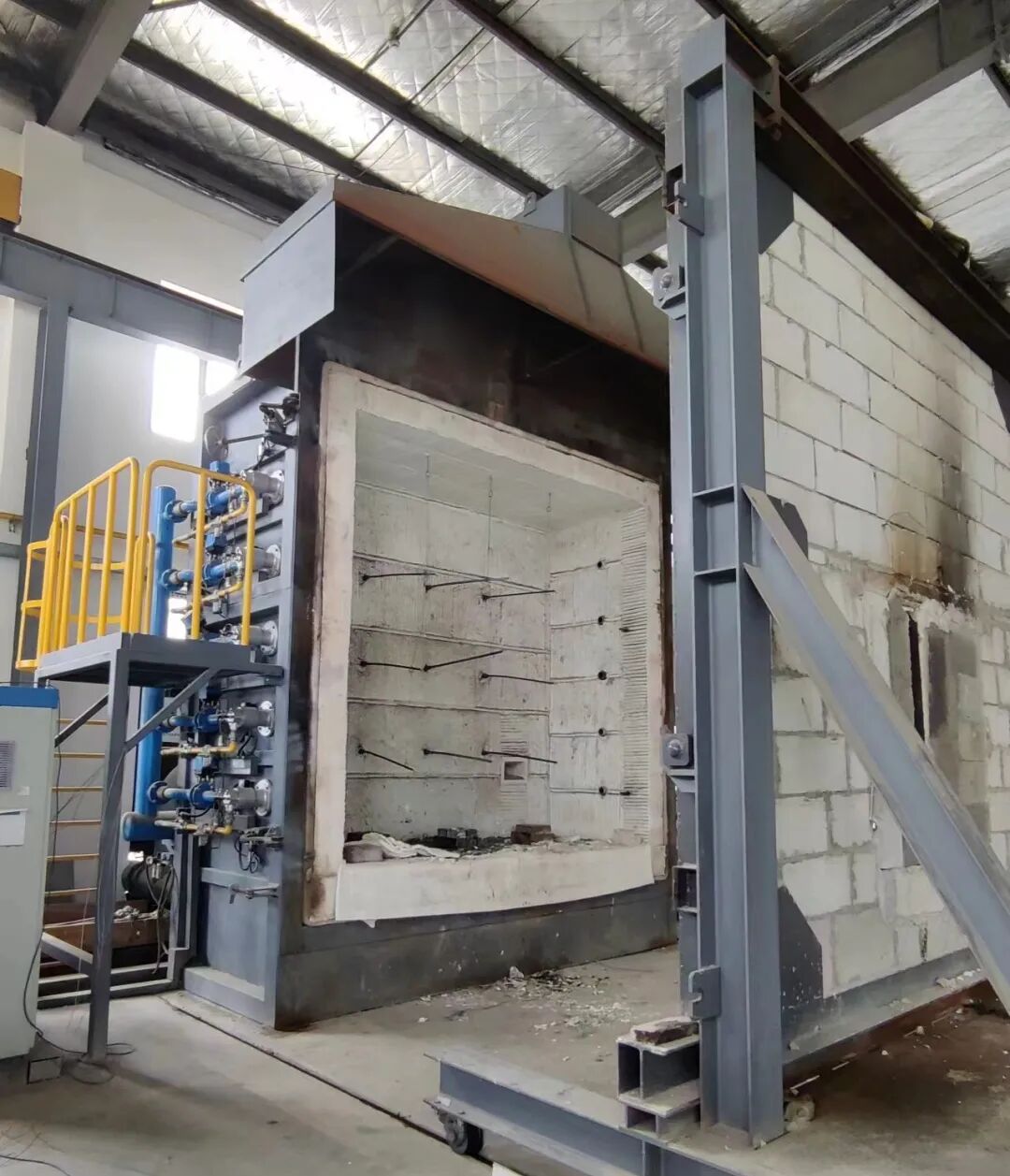
The publication of GB/T 16810-2026 marks a new stage of refinement, standardisation and internationalisation in fire resistance testing of safes in China, and provides important support for improving public safety protection and for the high-quality development of the security industry.
Huahui Fire is a compliance testing laboratory specialising in fire protection and fire resistance, with many years of experience in fire resistance testing. We can cover the full set of GB/T 16810-2026 fire resistance tests and combined-condition tests and issue compliance test reports. If you need fire resistance compliance testing for safes, contact us at any time.

First published on our WeChat channel: read the original