

On 31 December 2025, the Ministry of Housing and Urban-Rural Development formally published GB/T 51048-2025, Standard for design of electrochemical energy storage stations.
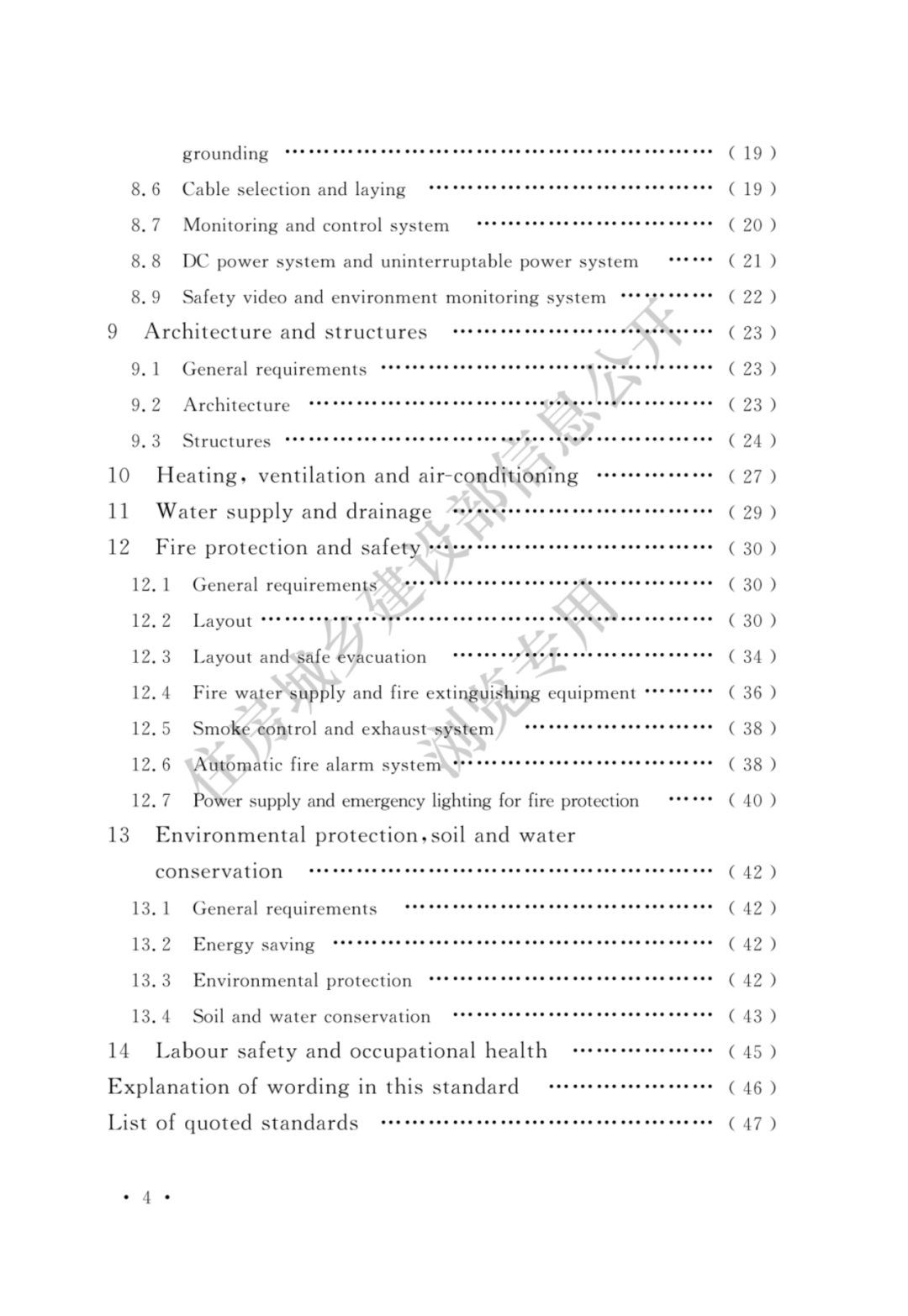
Drawing on ten years of operating experience in the industry, the standard is a comprehensive revision of the 2014 code. It sets out layout requirements and fire protection criteria for each type of electrochemical storage battery. It comes into force on 1 April 2026, when the previous GB 51048-2014 is withdrawn.
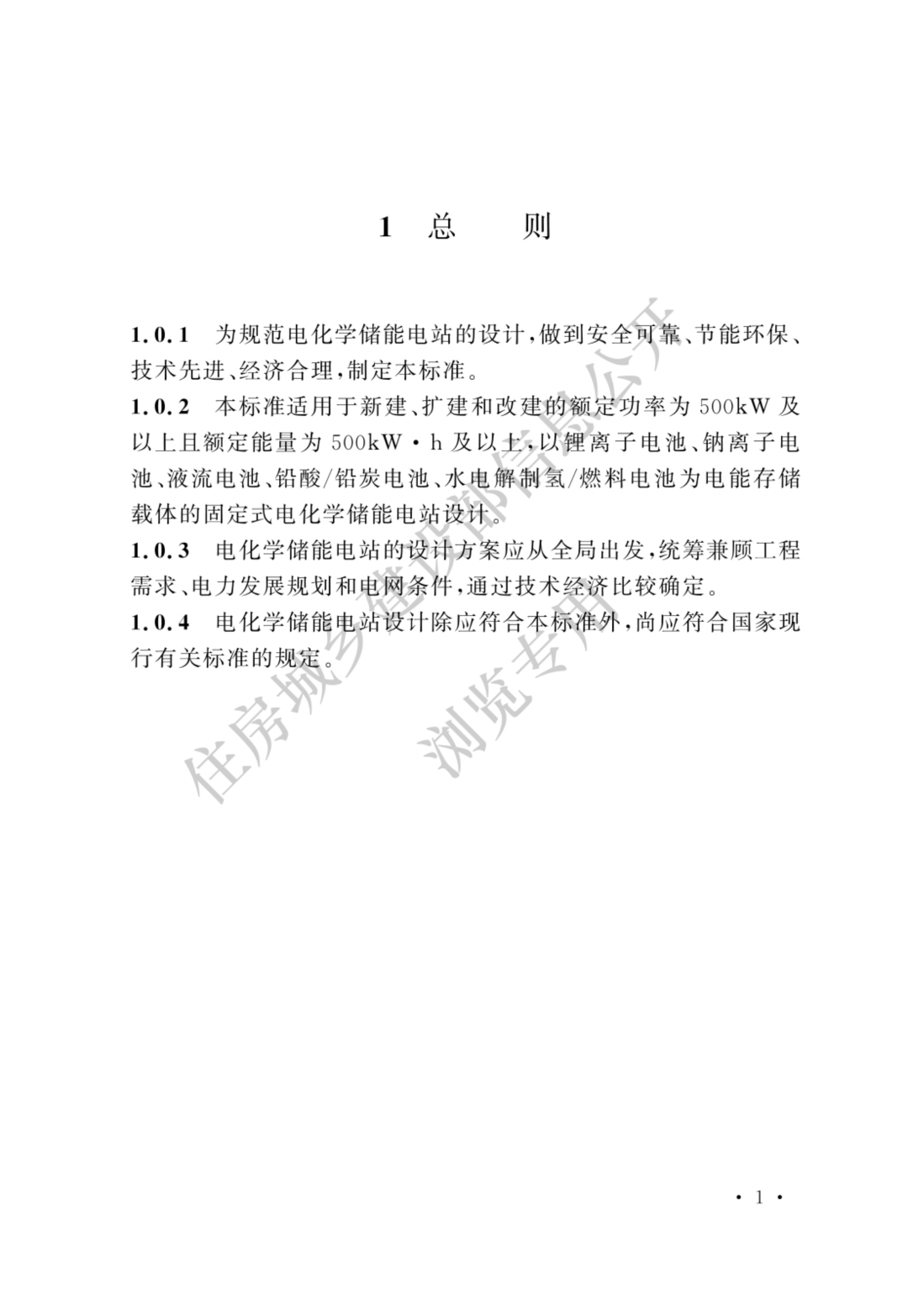
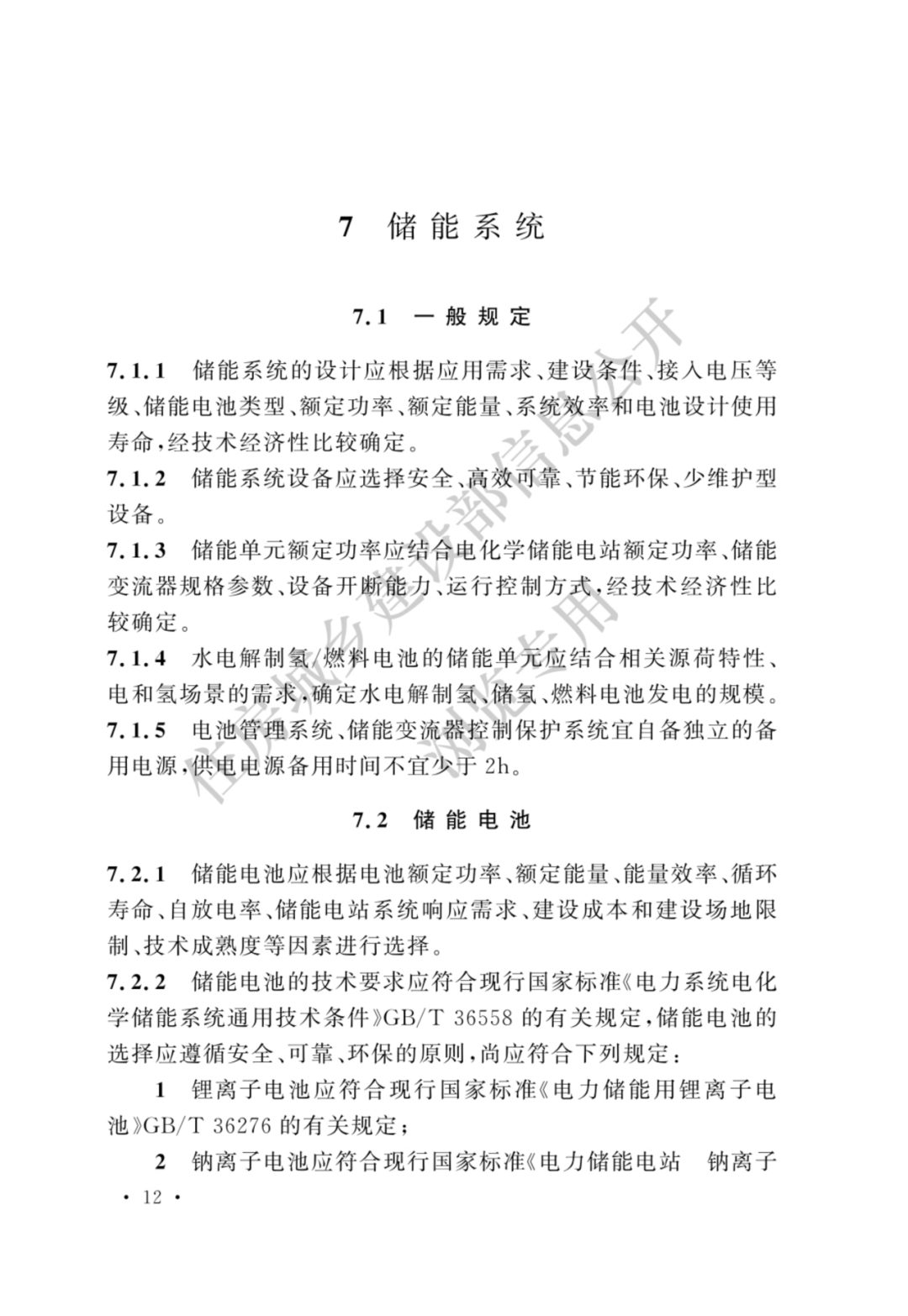
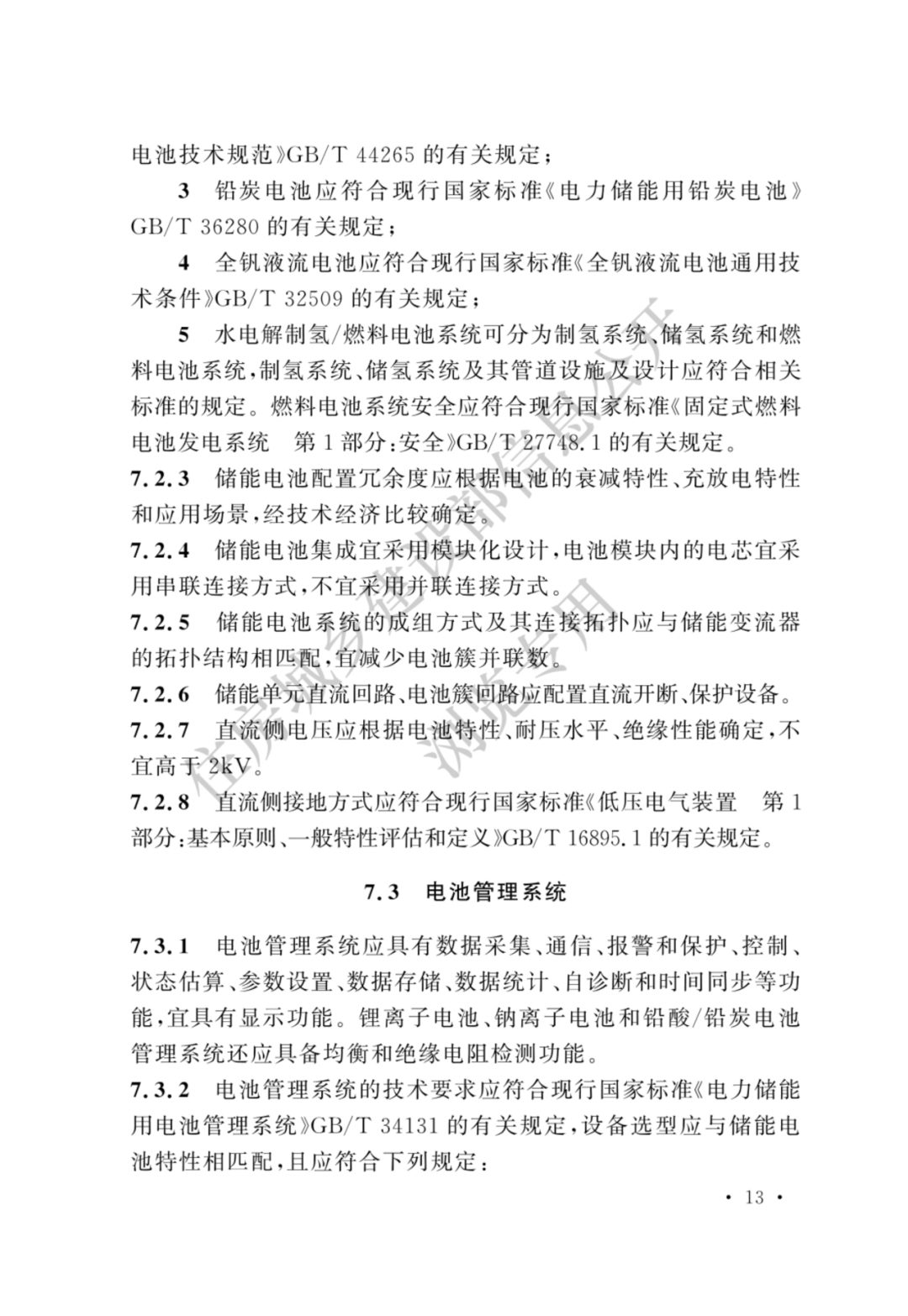
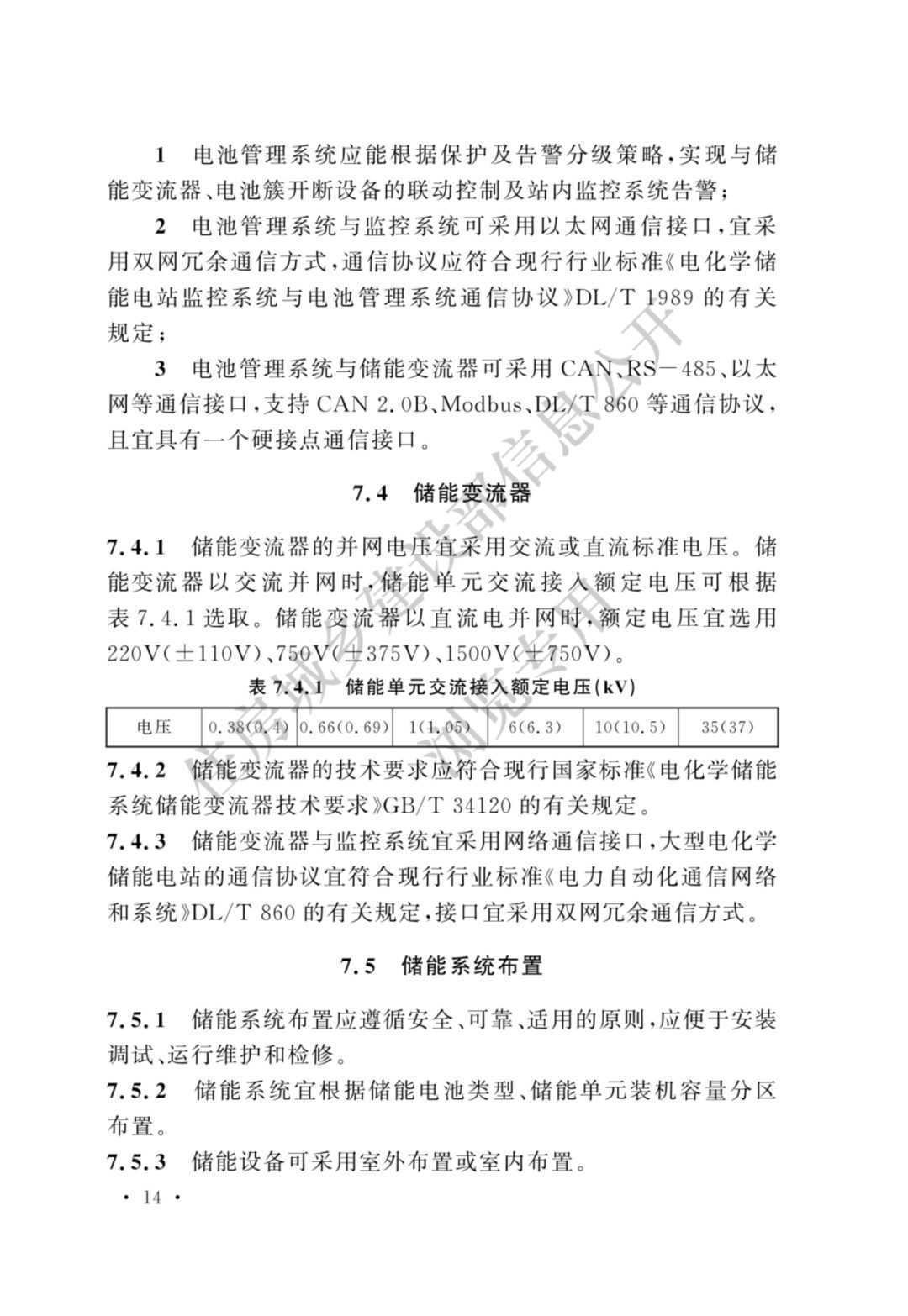
GB/T 51048-2025 applies to the design of new, extended and refurbished stationary electrochemical energy storage stations with a rated power of 500 kW or more and a rated energy of 500 kWh or more, using lithium-ion batteries, sodium-ion batteries, flow batteries, lead-acid/lead-carbon batteries, or water electrolysis hydrogen production/fuel cells as the energy storage medium.

Overall revision
Compared with the 2014 edition, the new standard changes both structure and content.
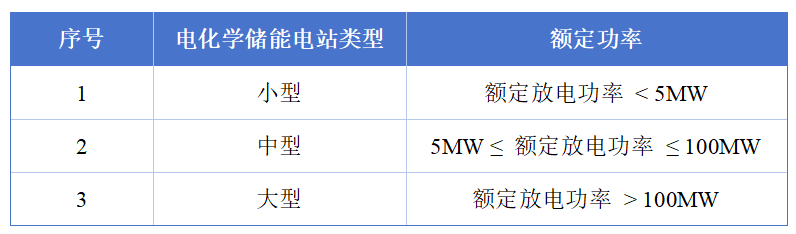
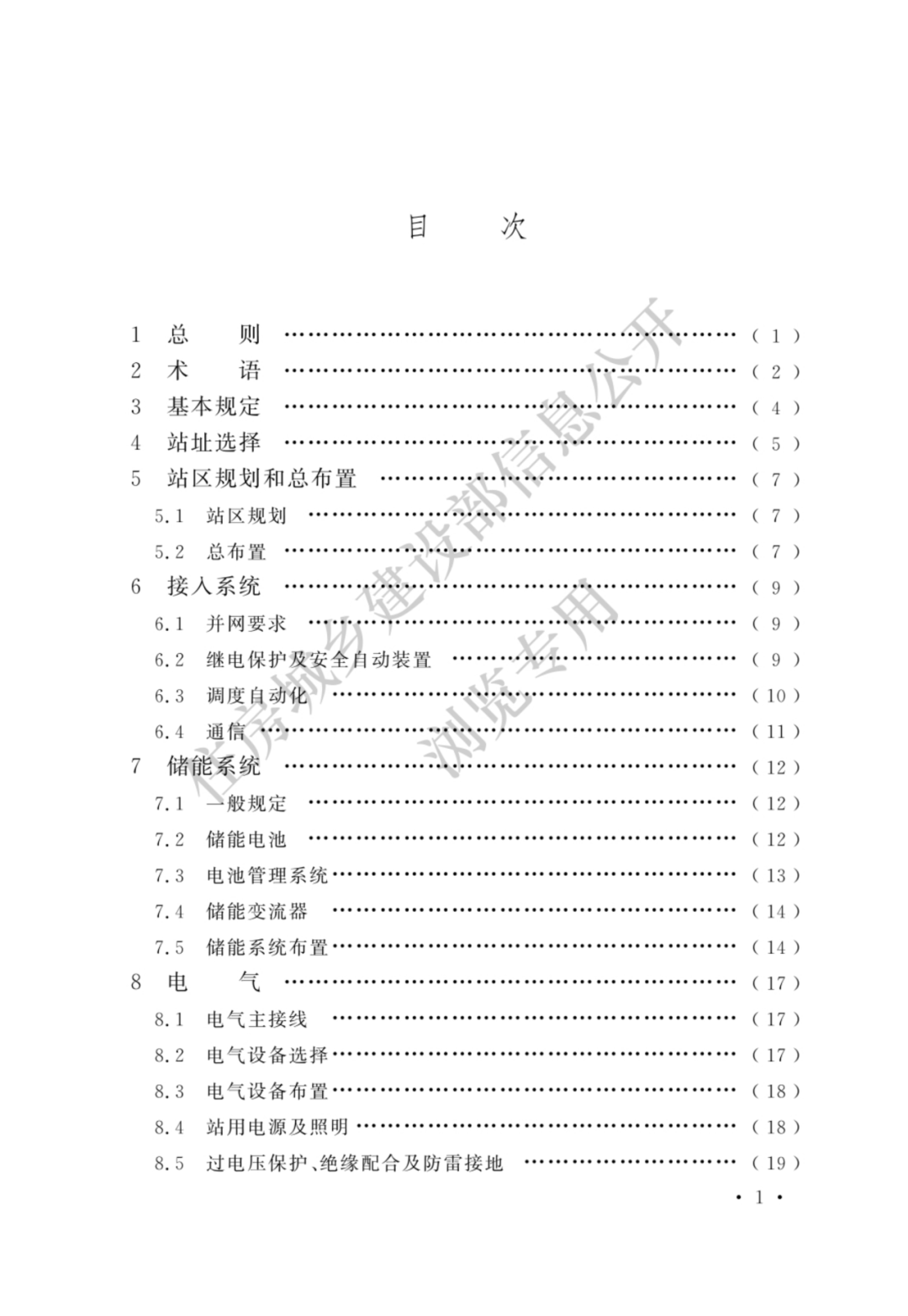
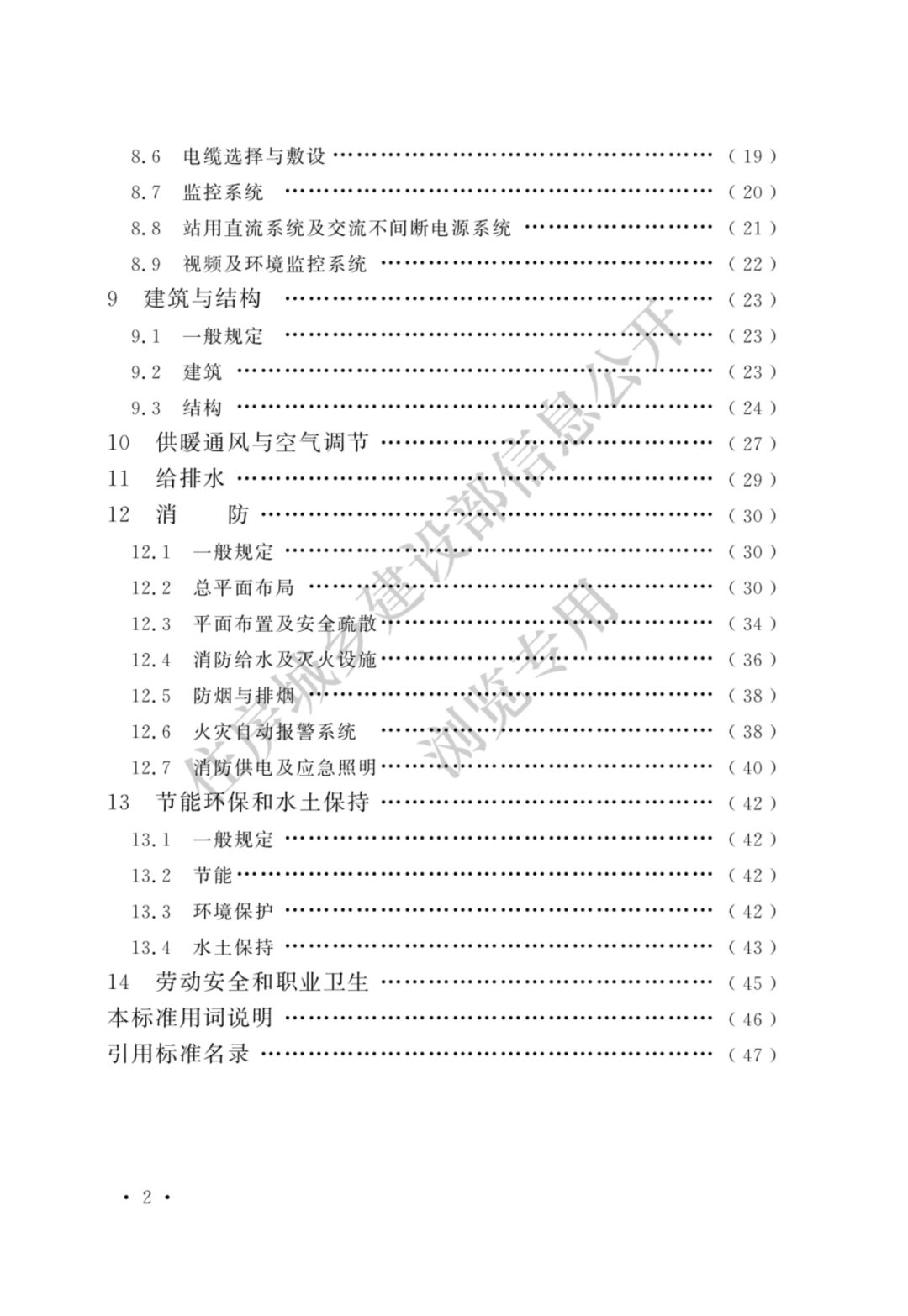
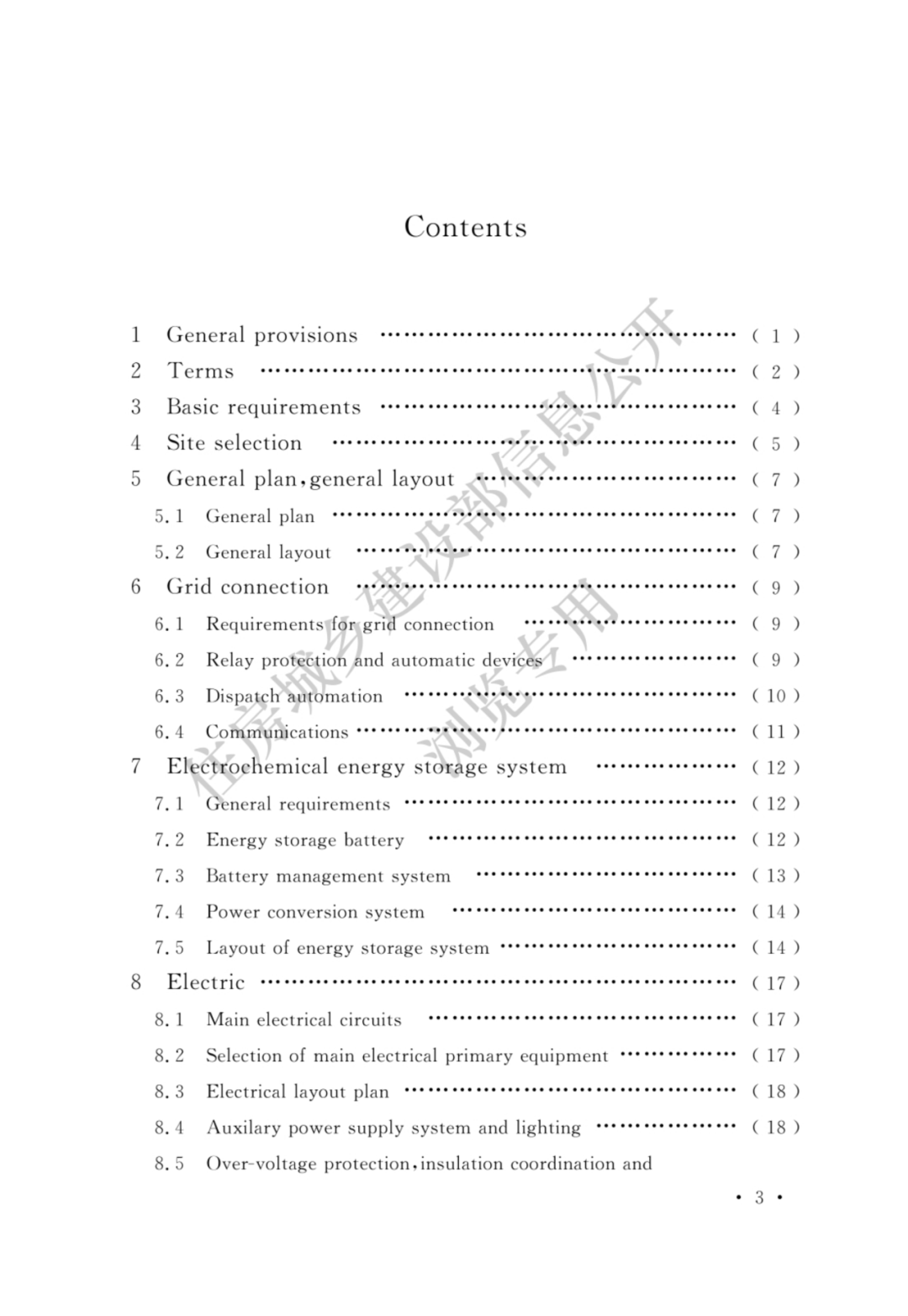
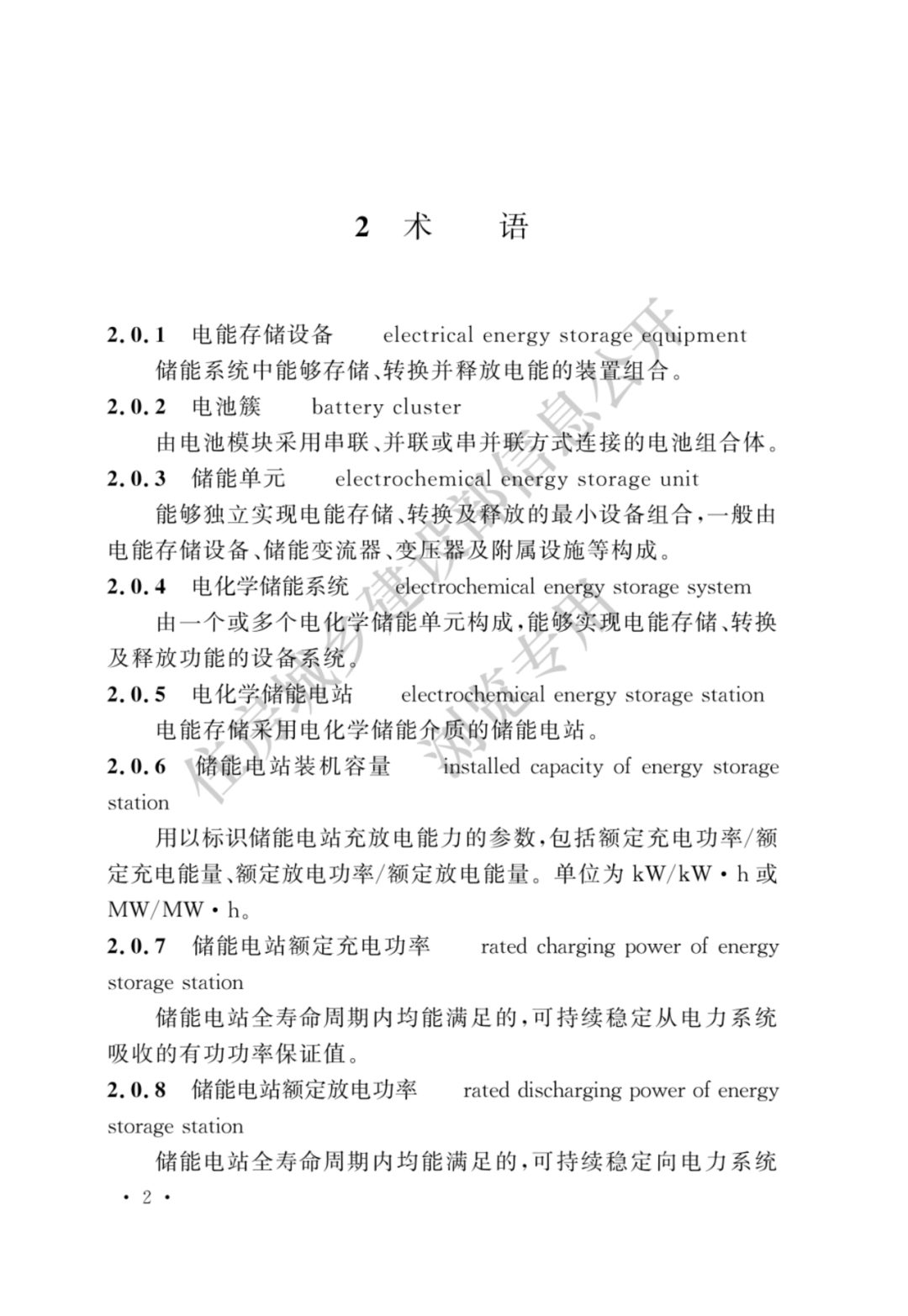
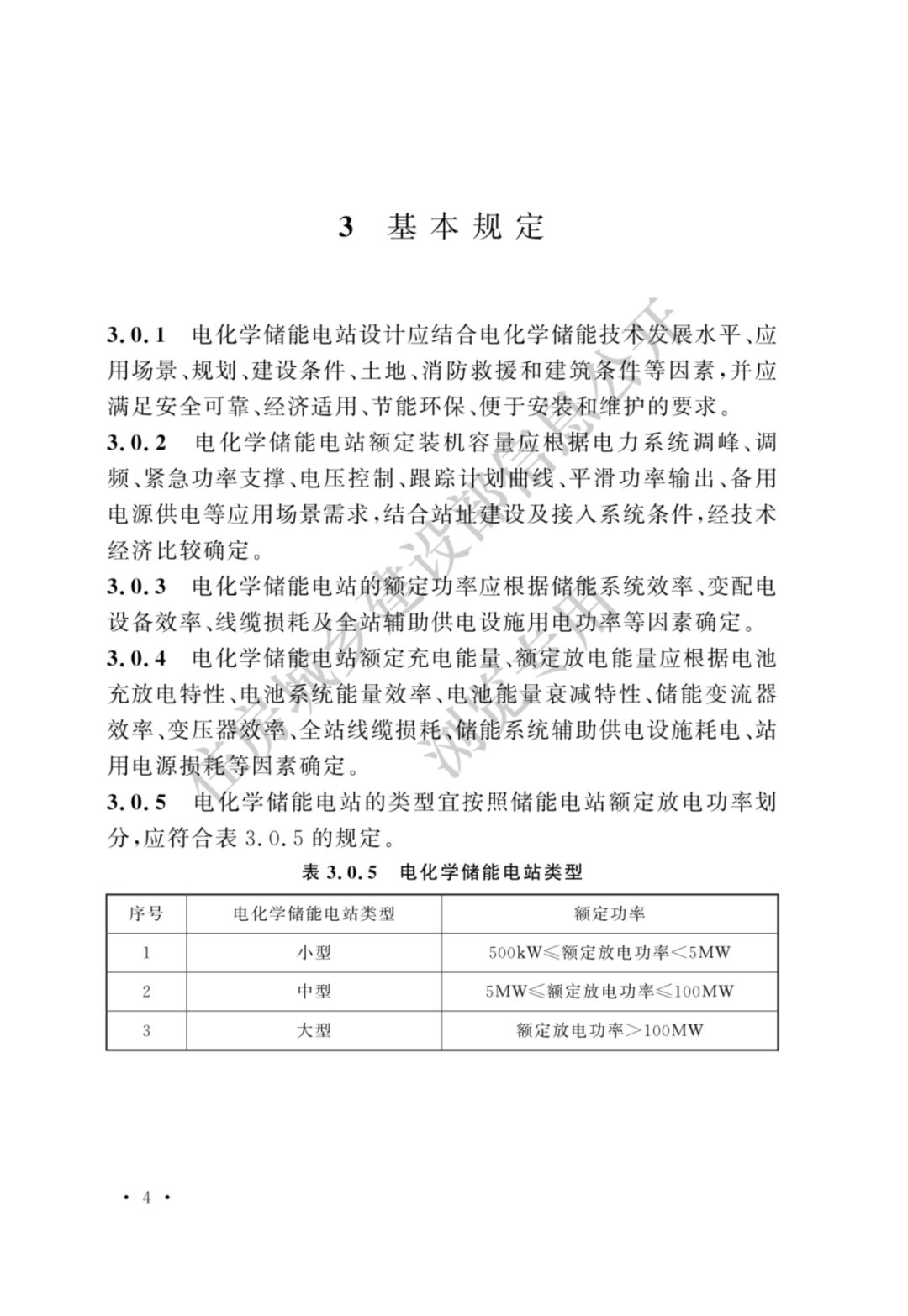
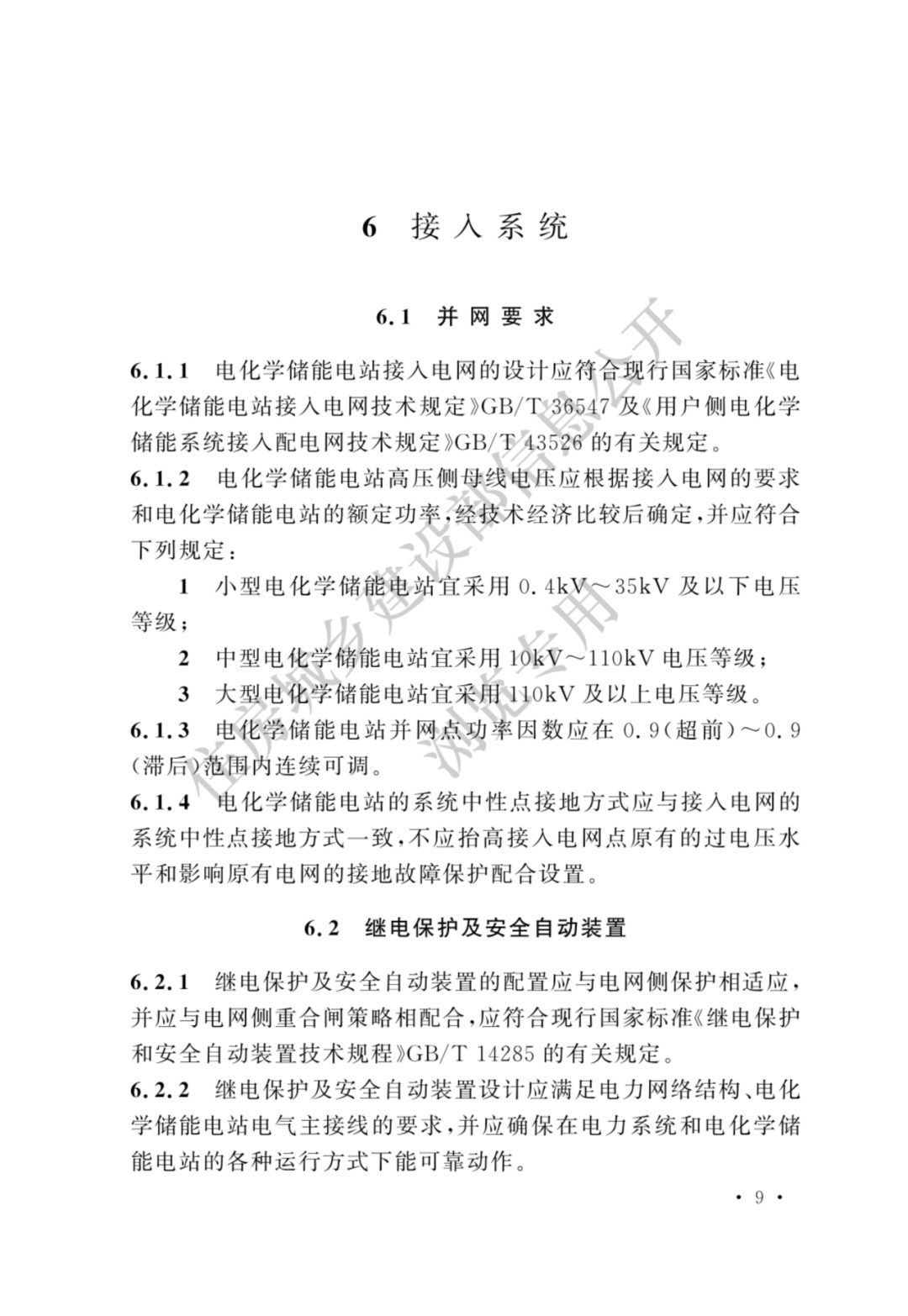
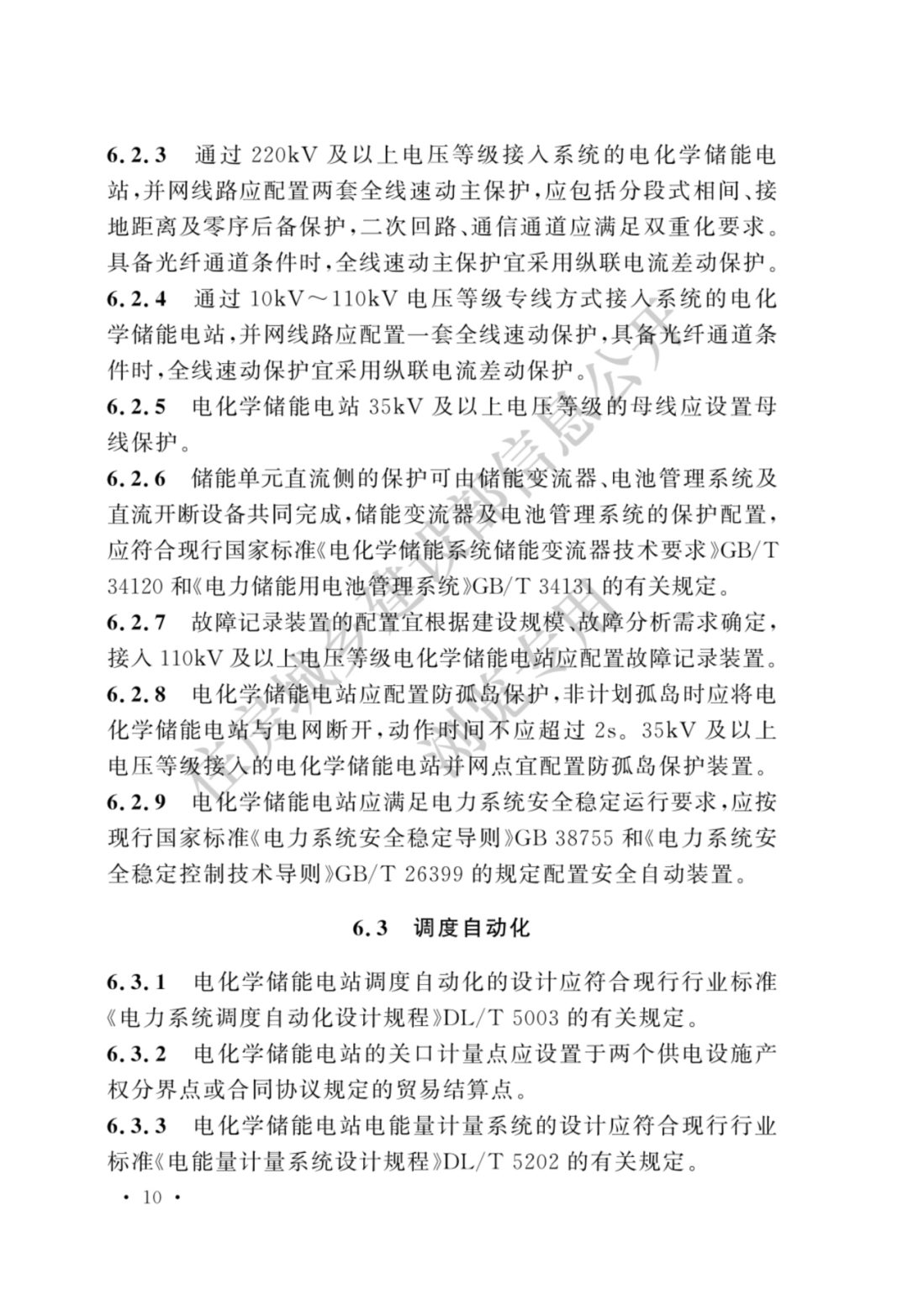
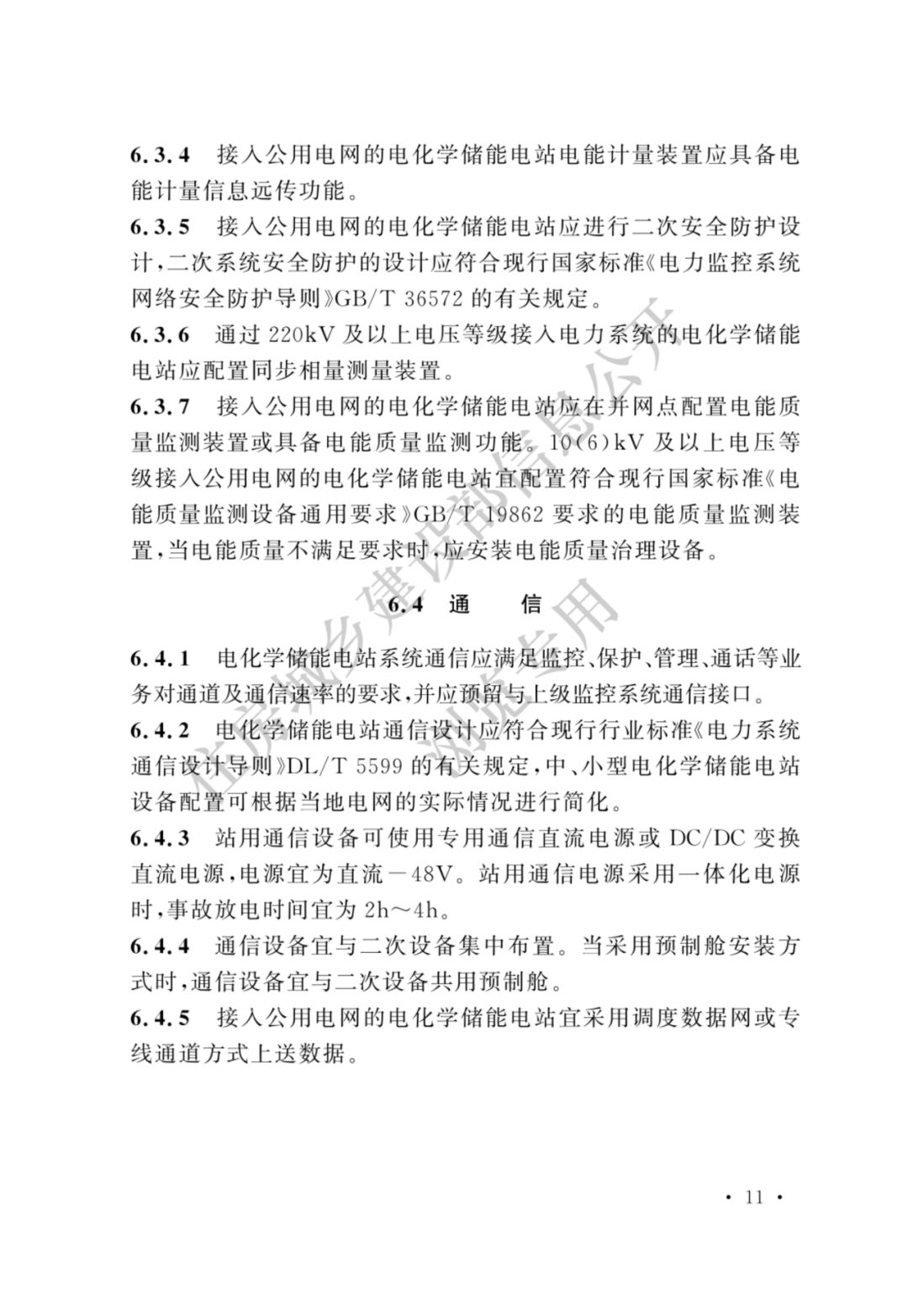
In structure, the 13 chapters of the old standard become 14, with some chapters refined and improved. A new Chapter 3, "Basic requirements", sets out the power classes of stations and the principles for calculating rated power and energy, resolving the old standard's vague definition of station size.
Under clause 3.0.5 of the new standard, electrochemical energy storage stations are divided into the following three classes by rated discharge power:
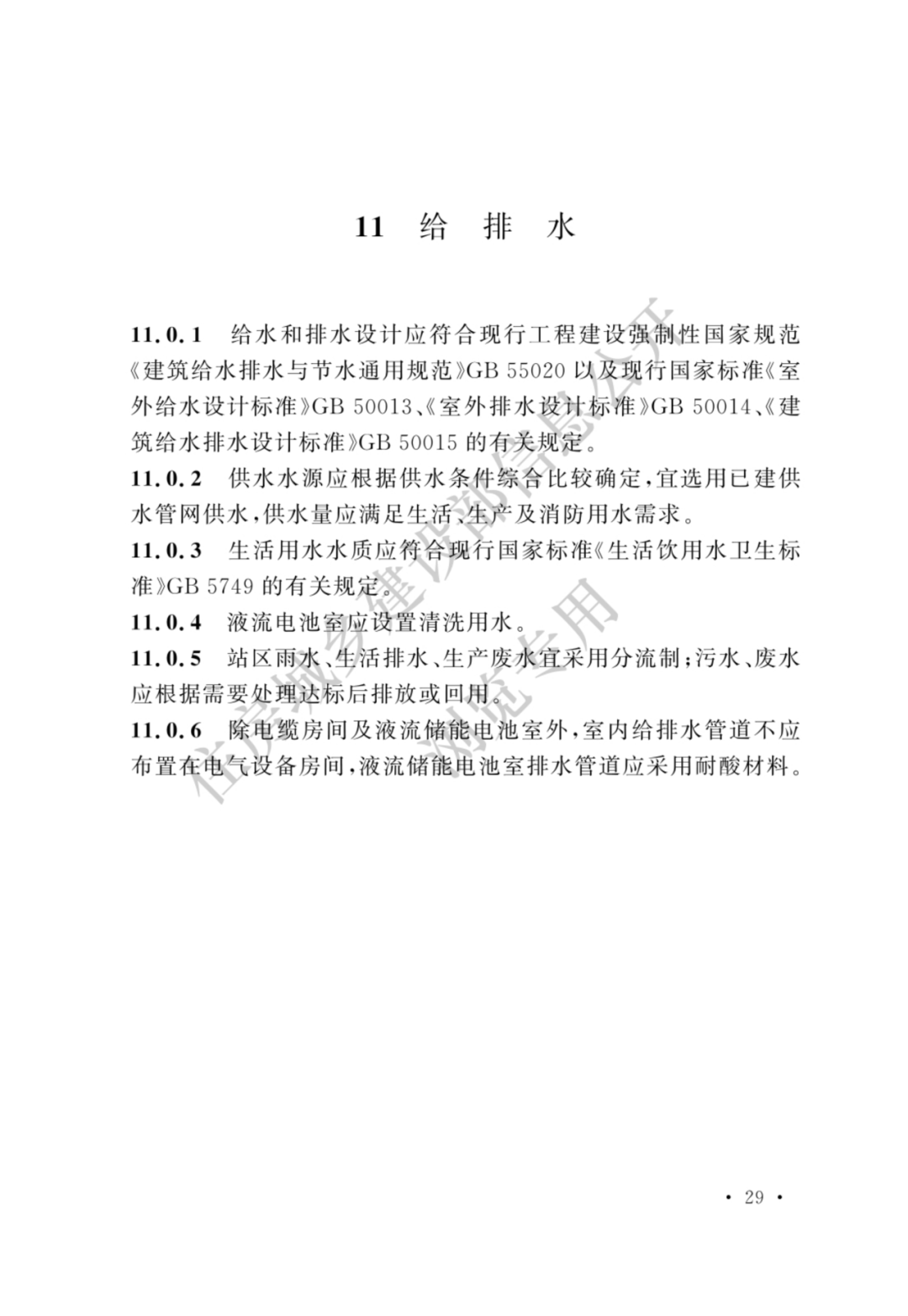
On battery types, the new standard removes the design requirements for sodium-sulphur battery storage stations and adds design requirements for sodium-ion battery and water electrolysis hydrogen/fuel cell storage stations.
Main changes in content
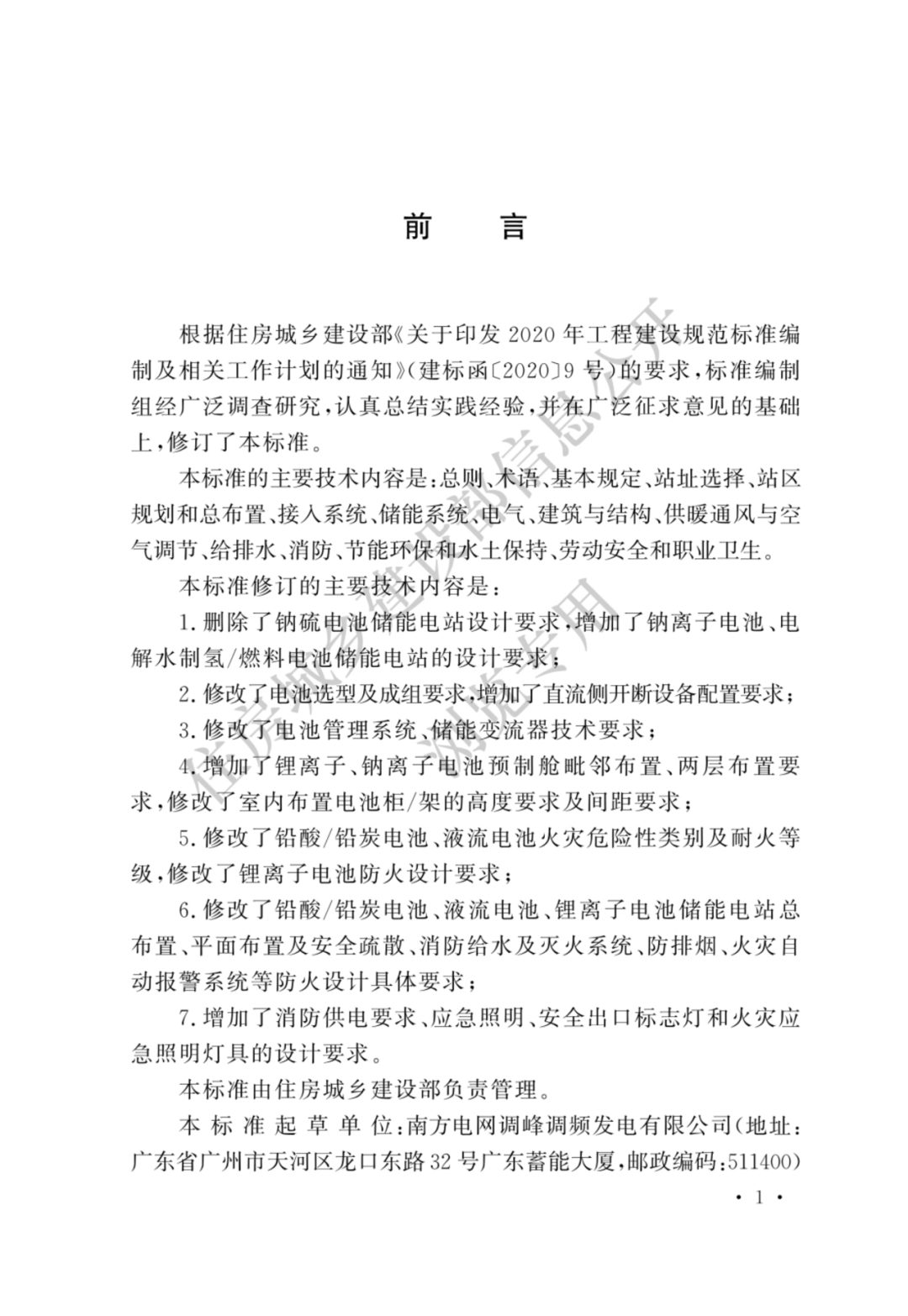
This revision is a major update of the 2014 edition. The main technical changes are as follows:
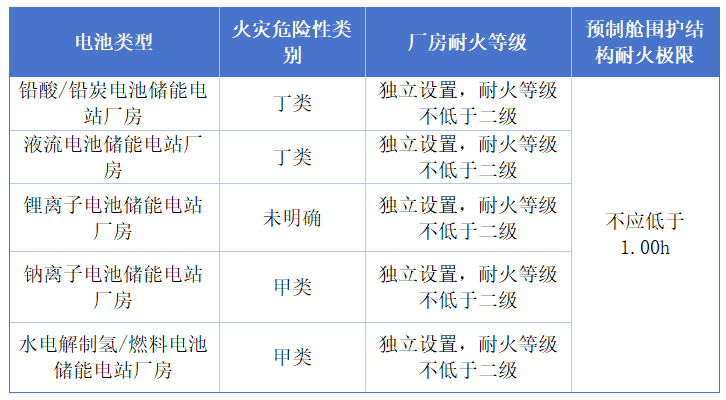
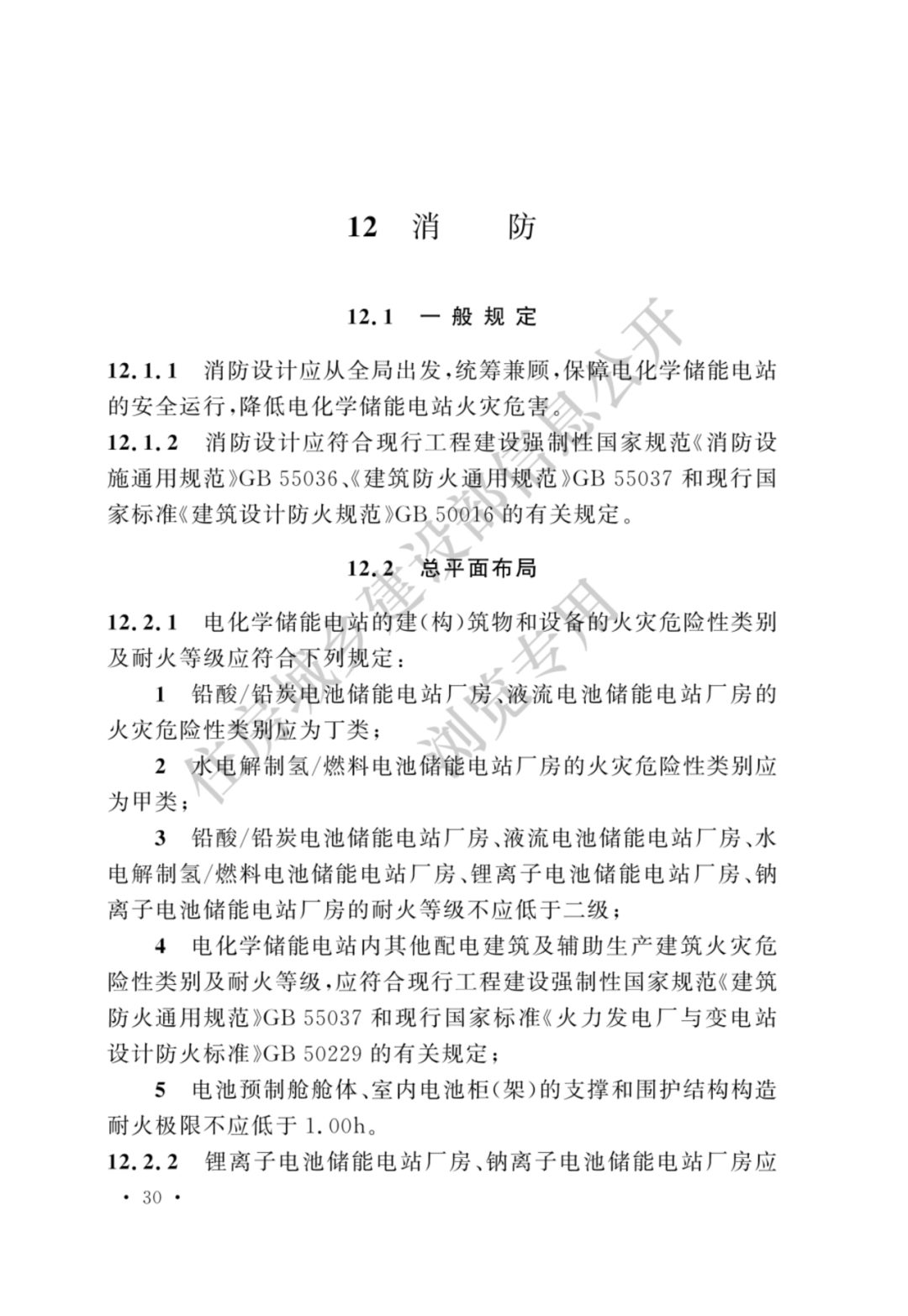
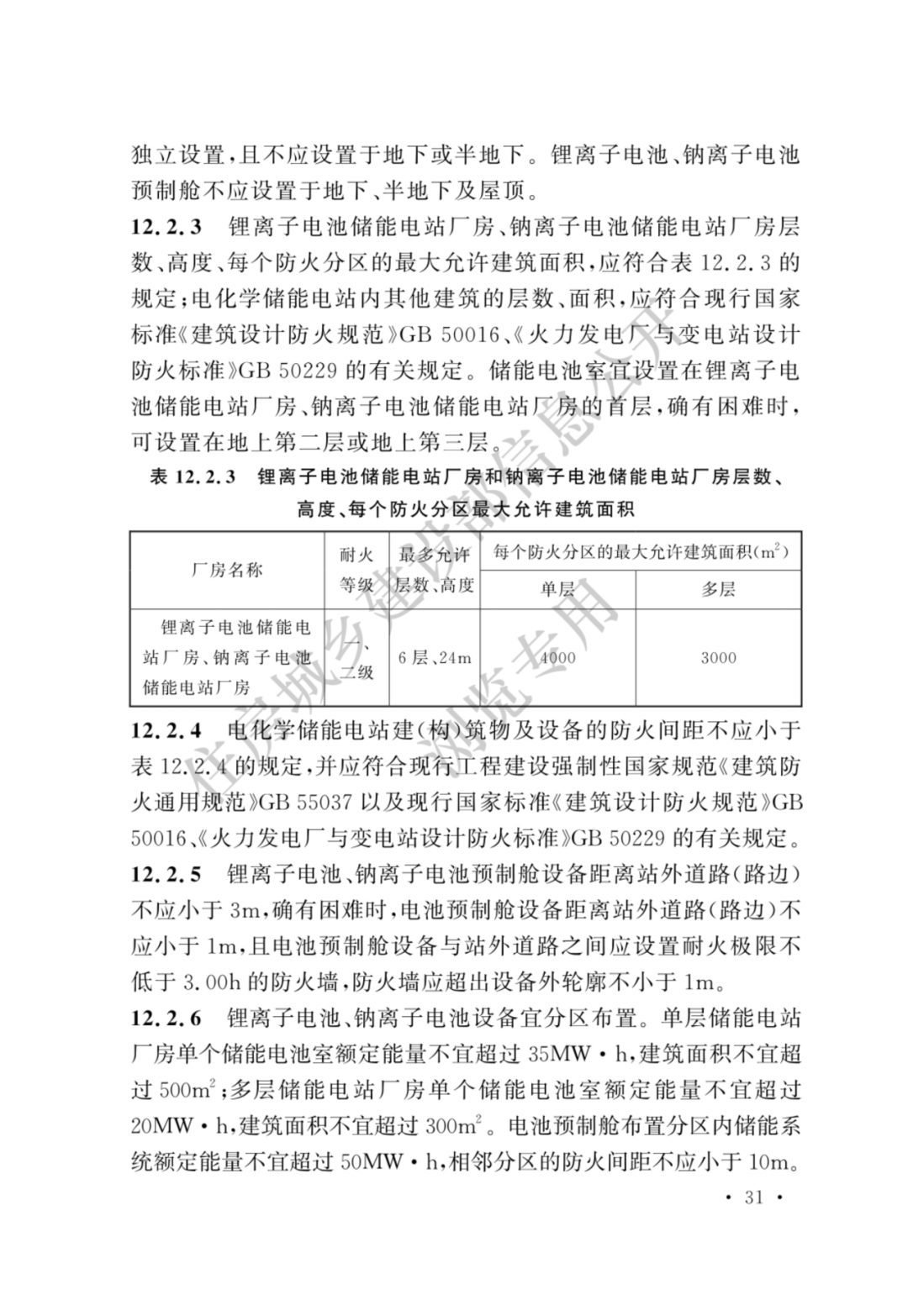
- Fire hazard classification: the hazard categories and fire resistance grades for lead-acid/lead-carbon and lithium-ion batteries have been revised, and the fire protection design requirements for lithium-ion batteries strengthened. The new standard does not assign lithium-ion batteries an explicit hazard category; it only stresses that they be housed in separate buildings with a Grade II fire resistance rating. This change significantly lowers the threshold for project approval.
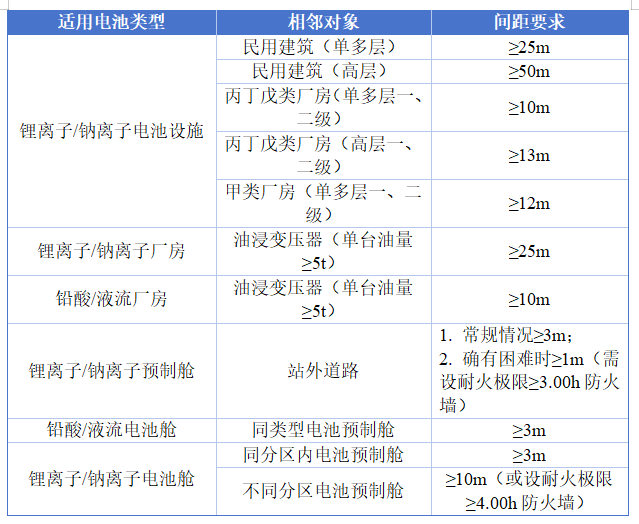
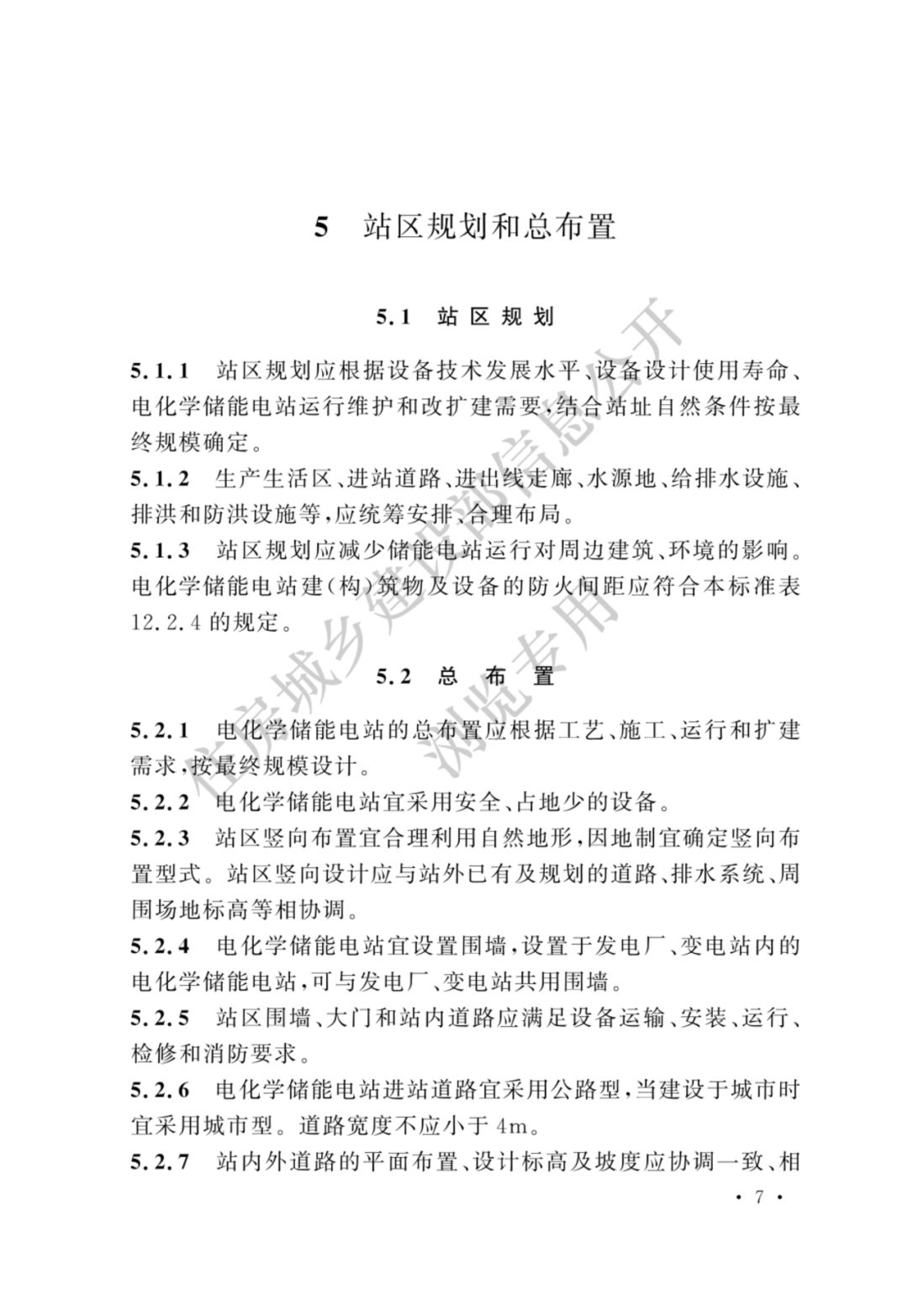
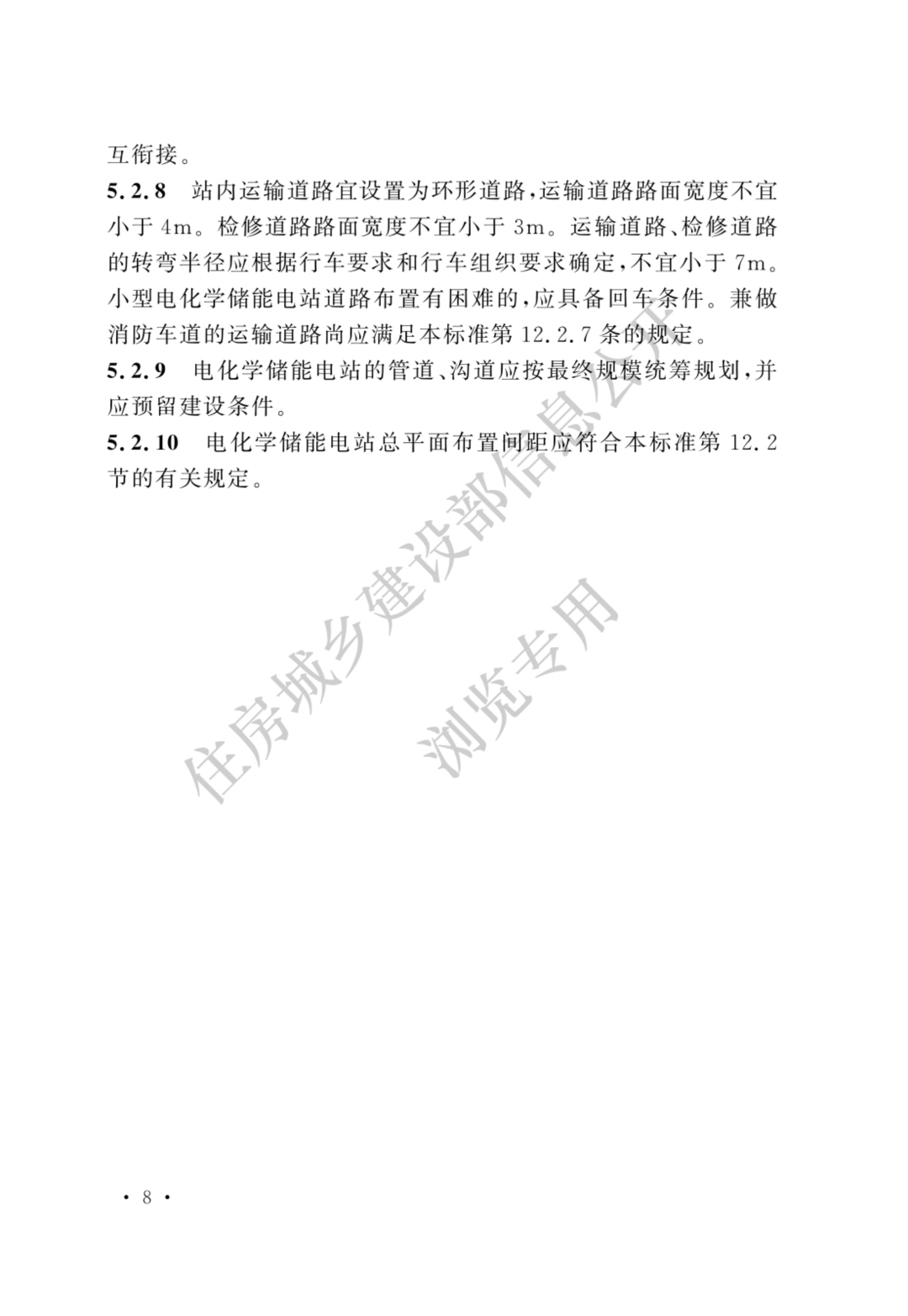
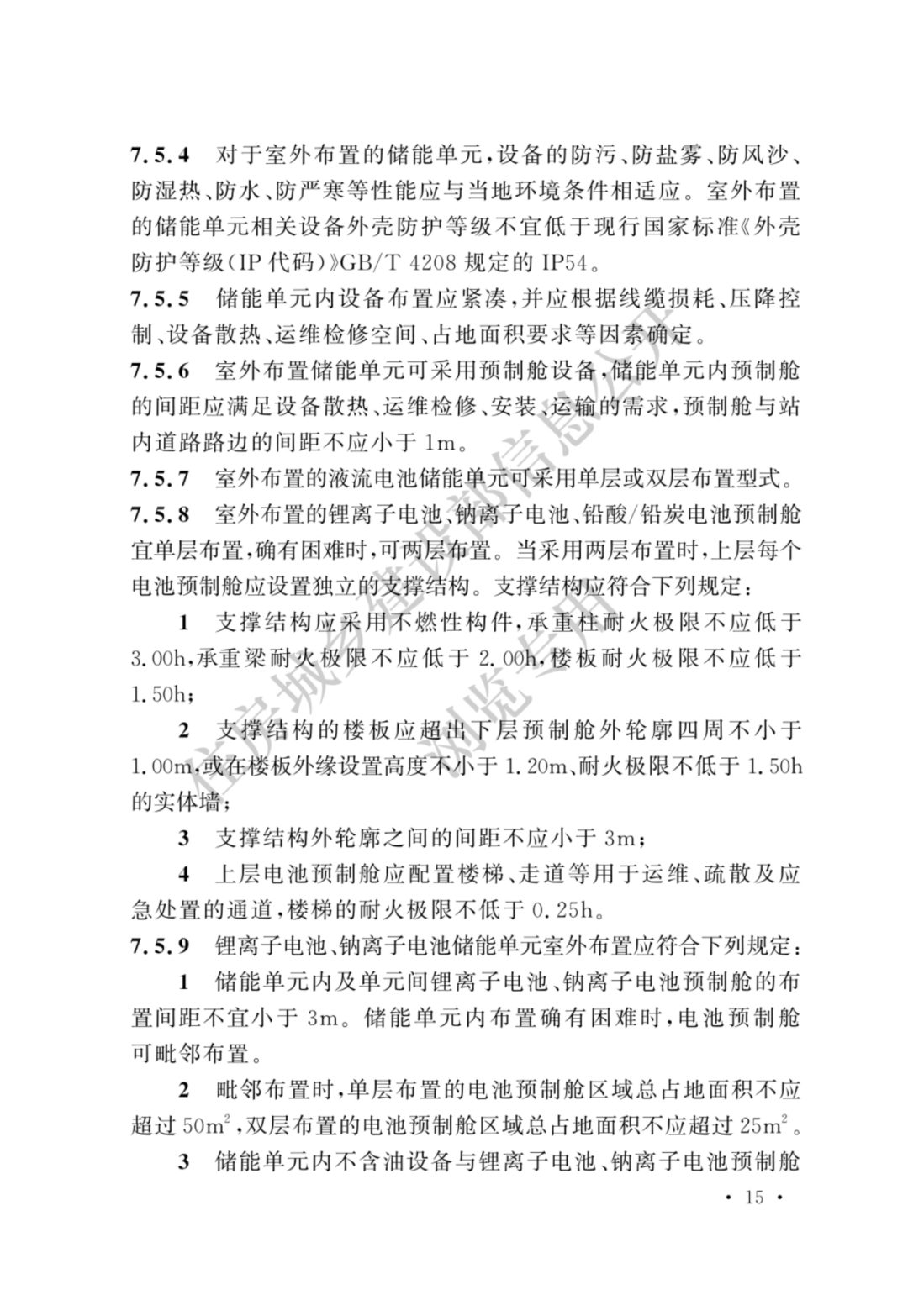
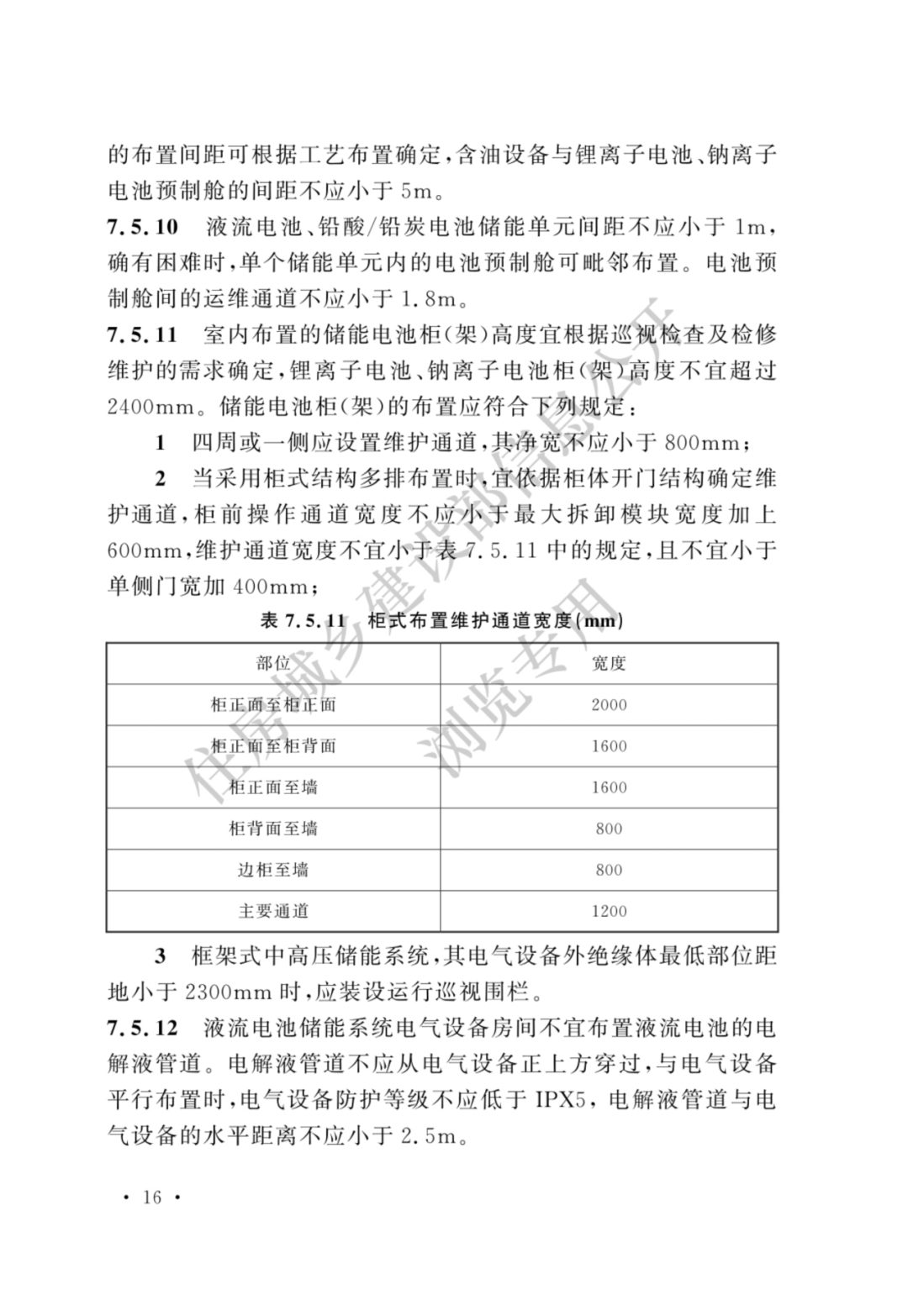
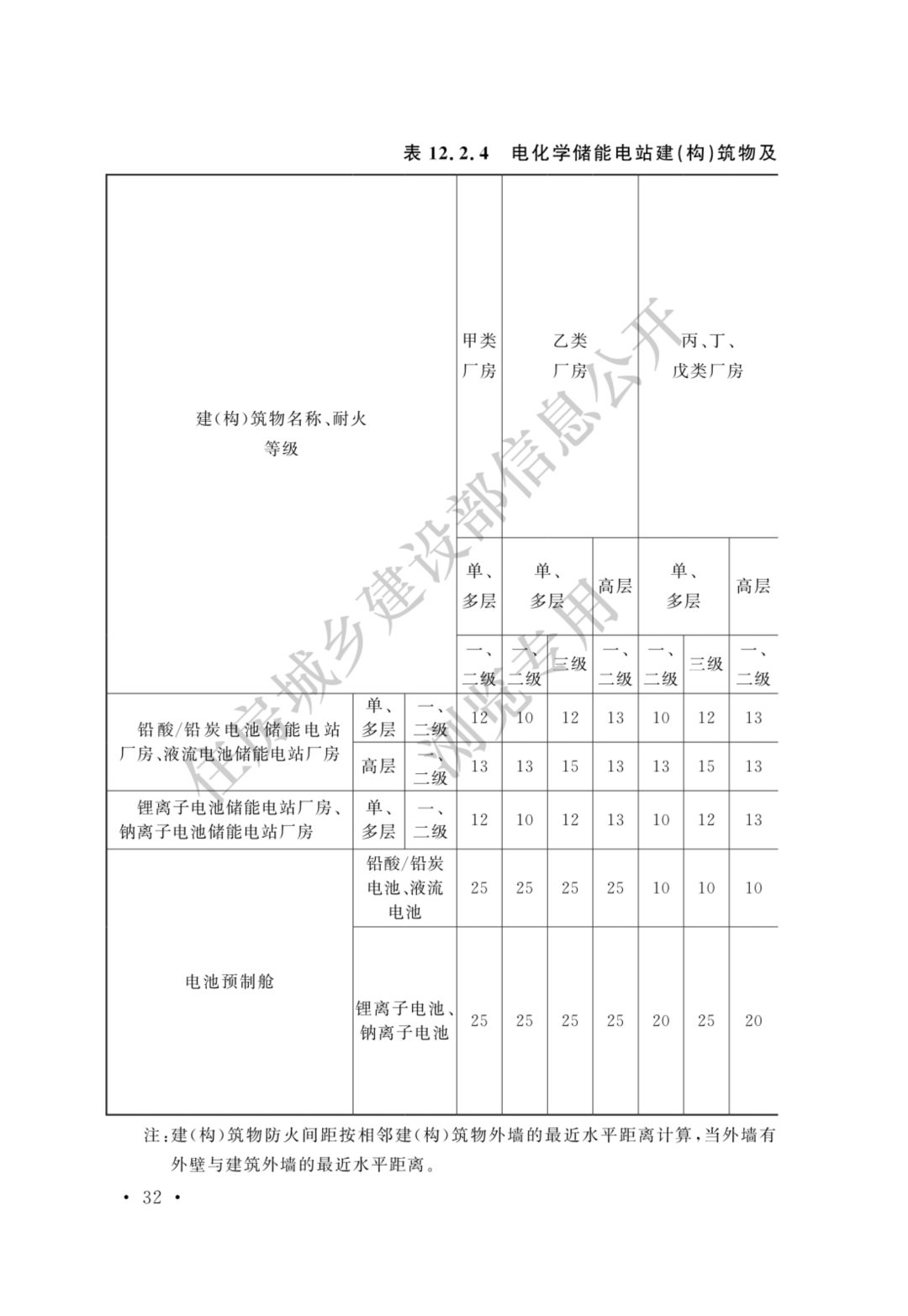
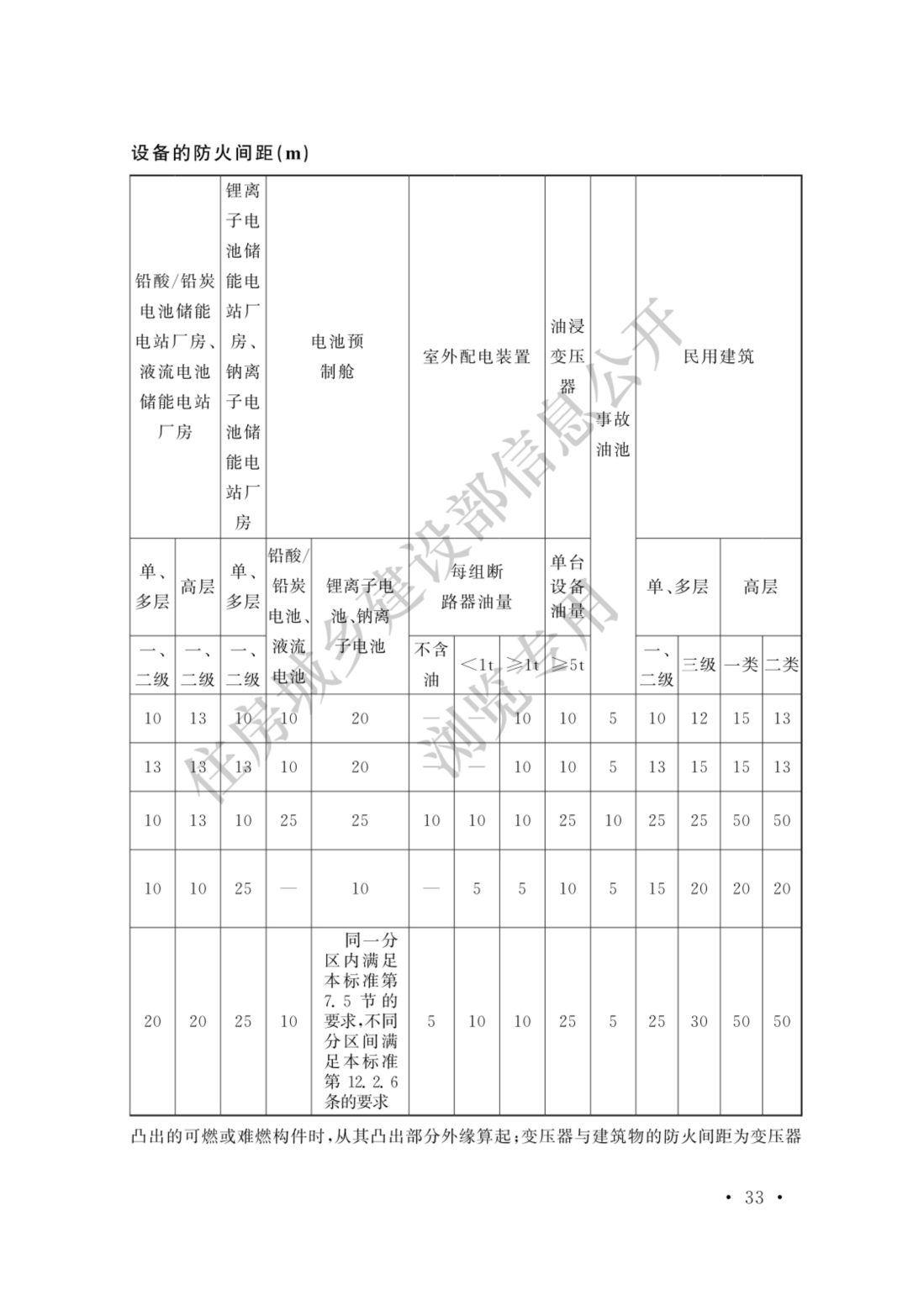
- Layout and spacing: layout requirements have been added and the requirements for equipment and spacing revised.
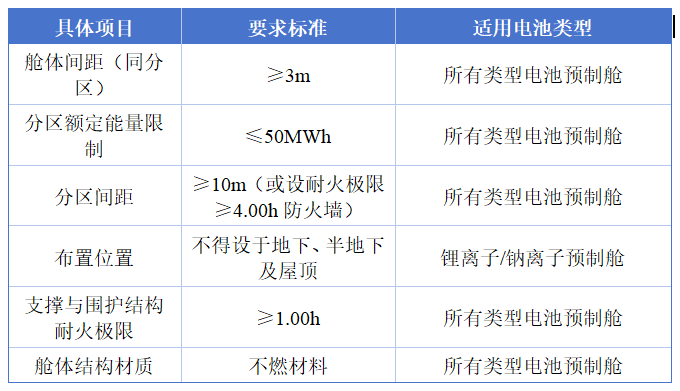
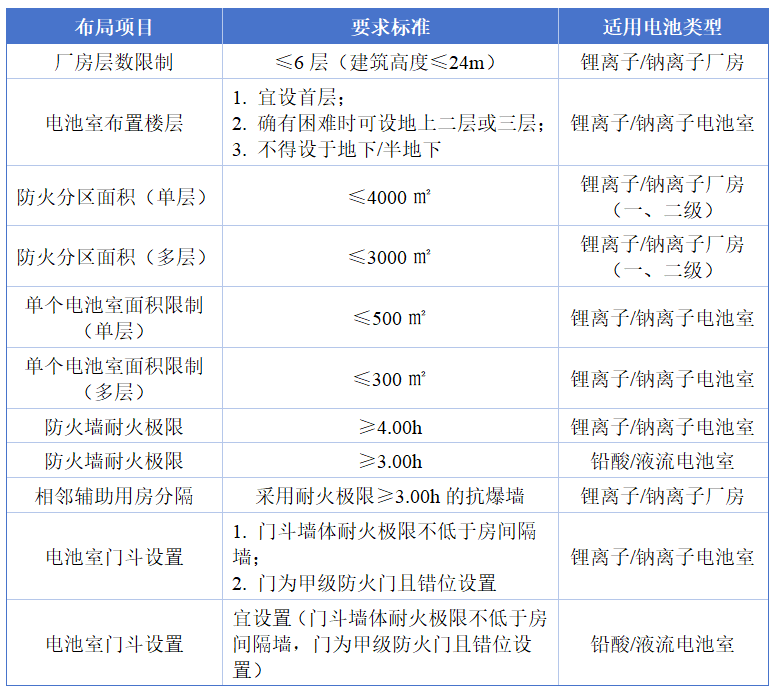
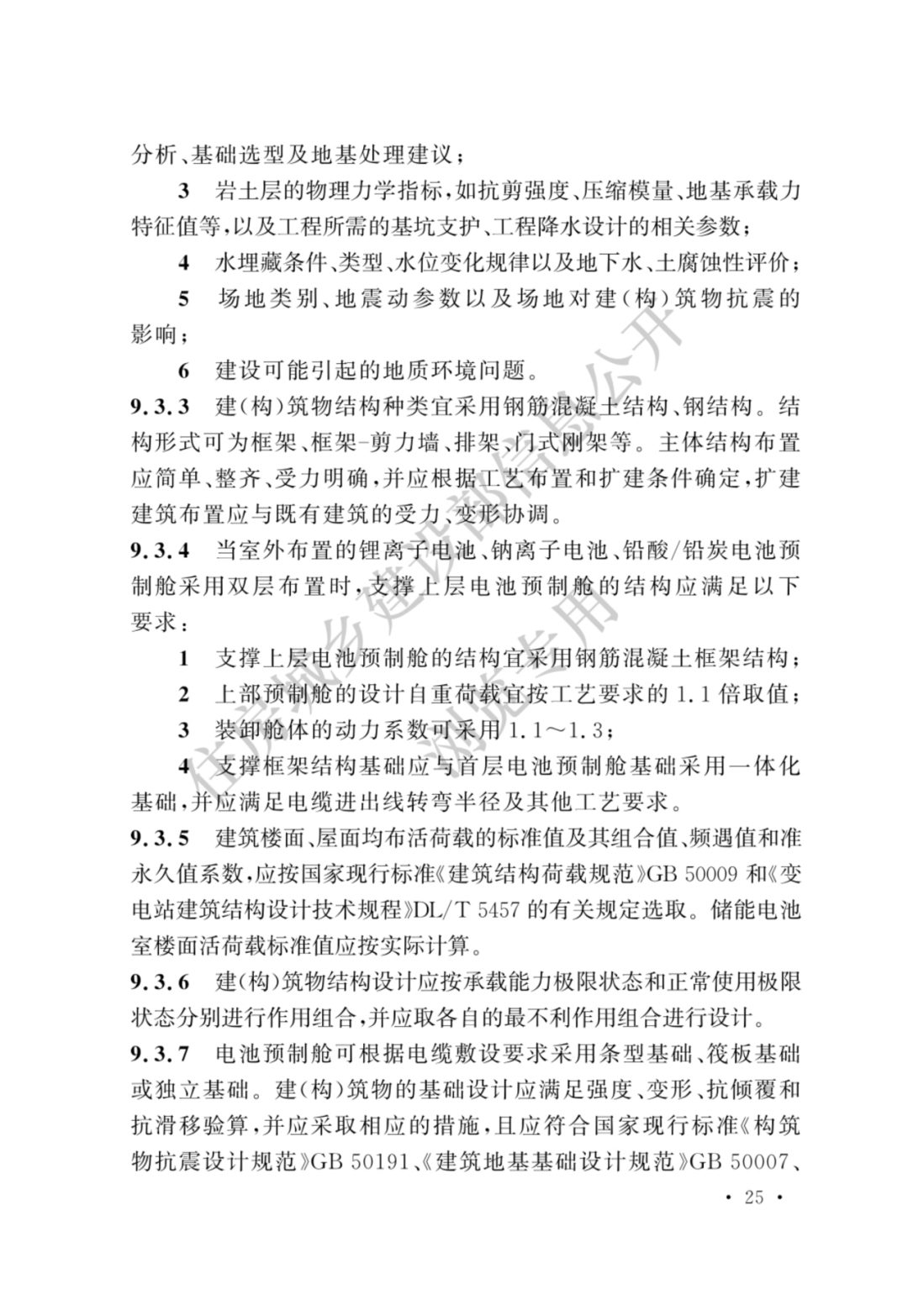
- Layout of prefabricated battery cabins: the requirements for cabin spacing, energy limits per zone and location of each type of prefabricated battery cabin are specified. The enclosure must be made of non-combustible materials and meet the required fire resistance.
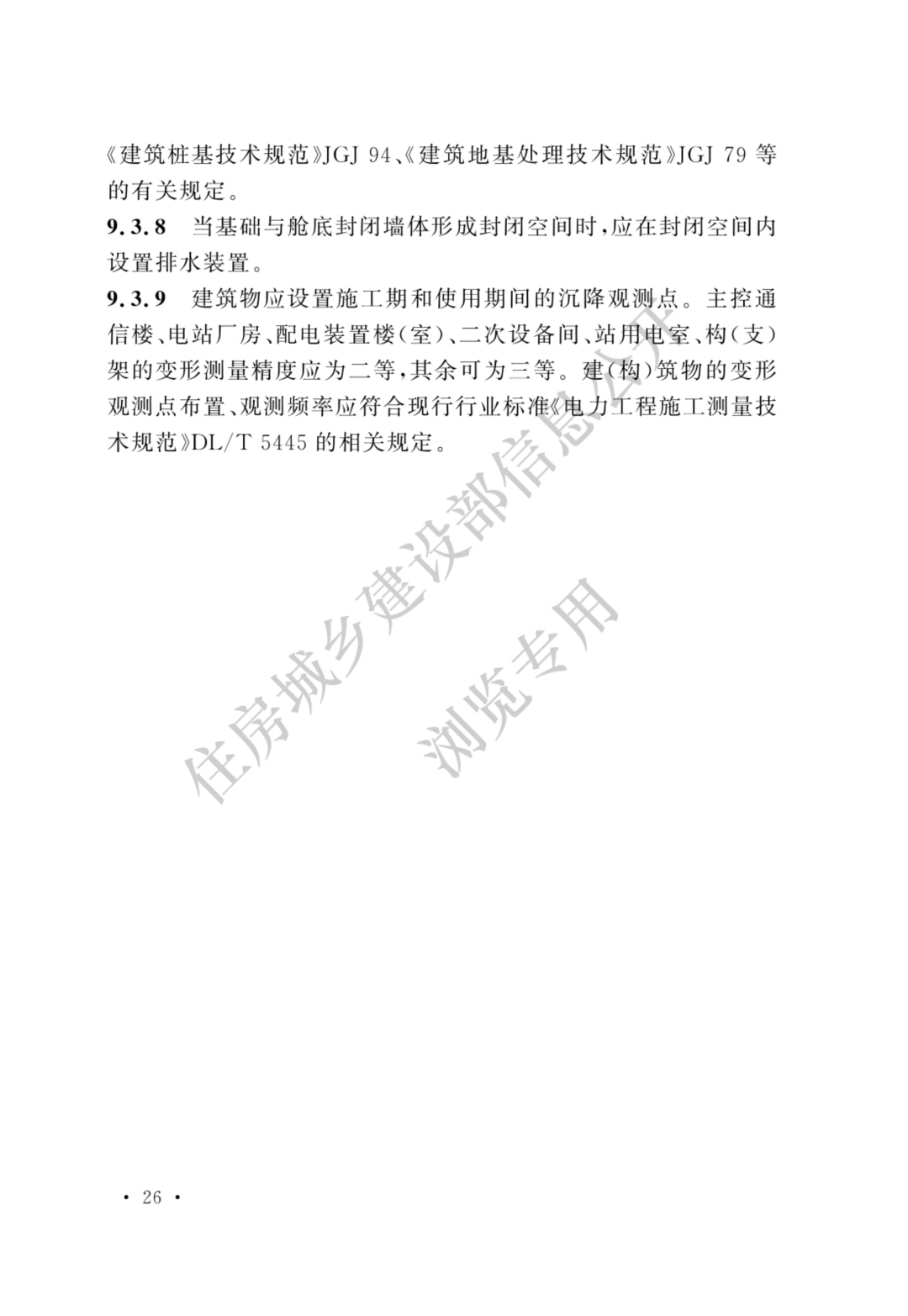
- Building layout and fire protection requirements
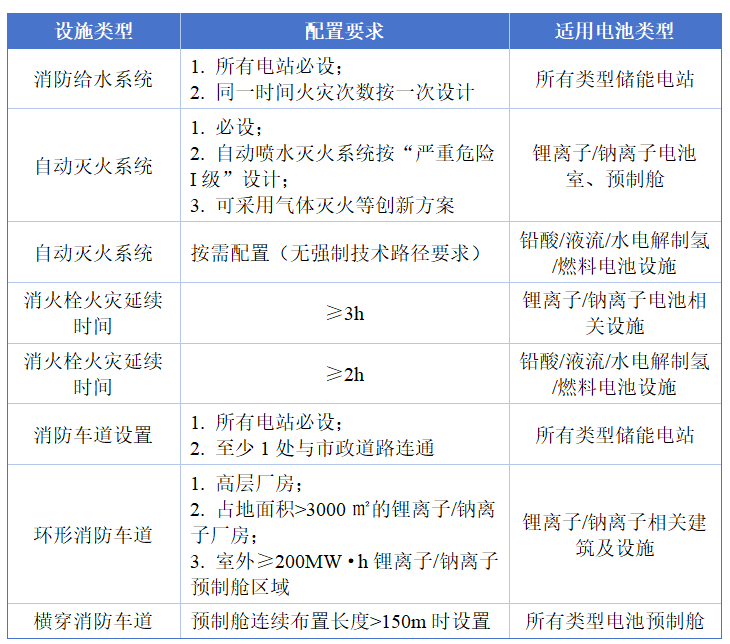
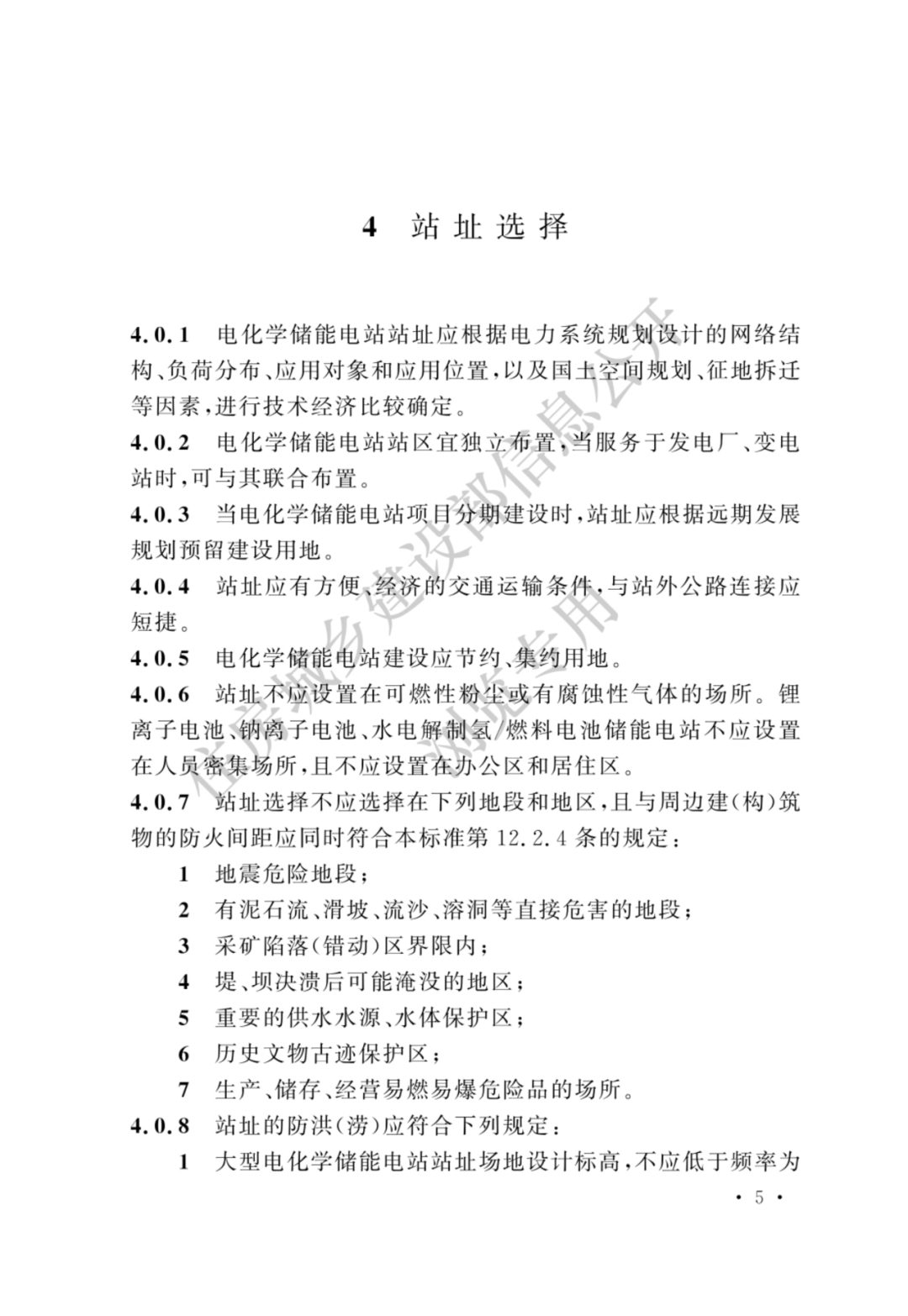
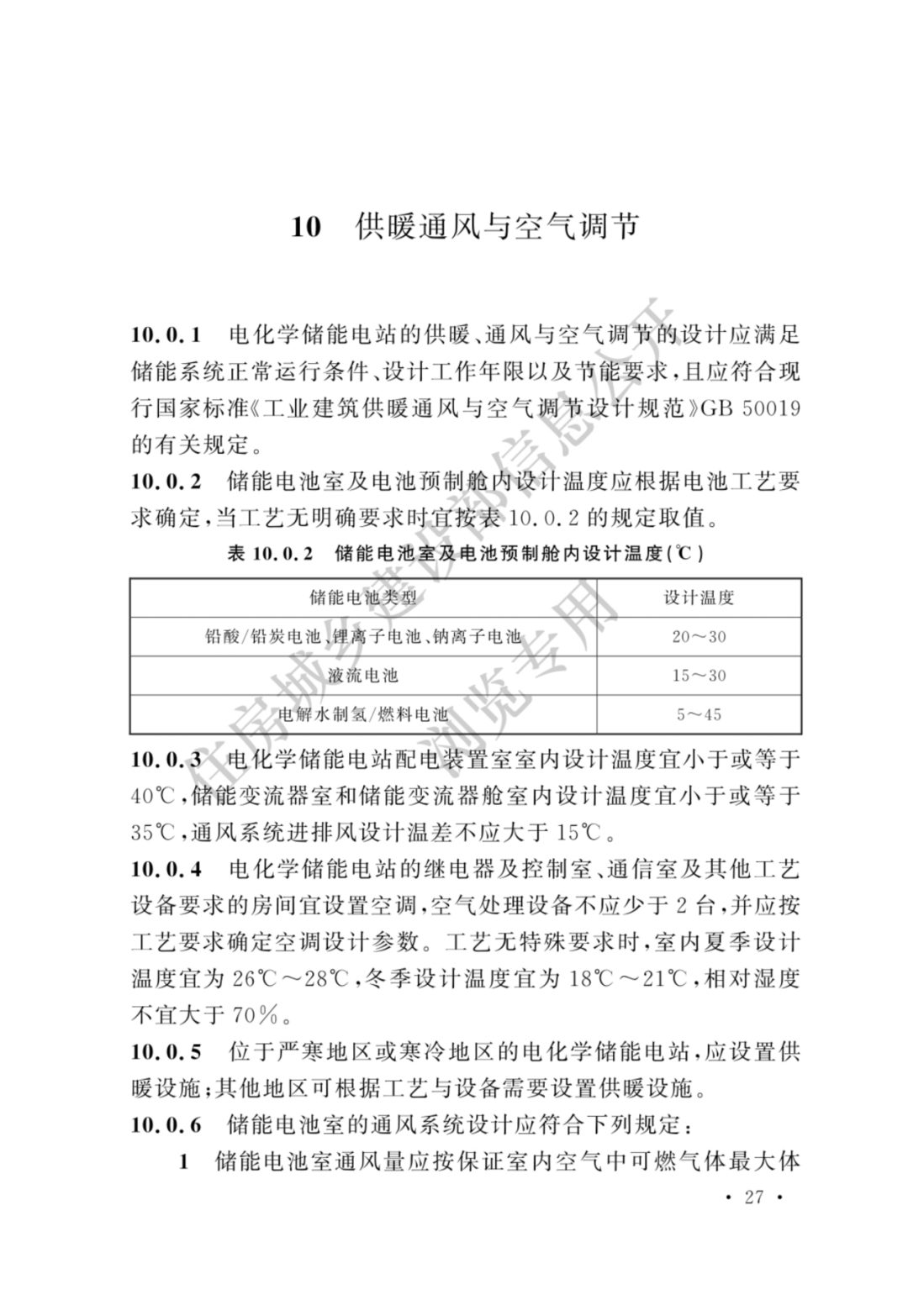
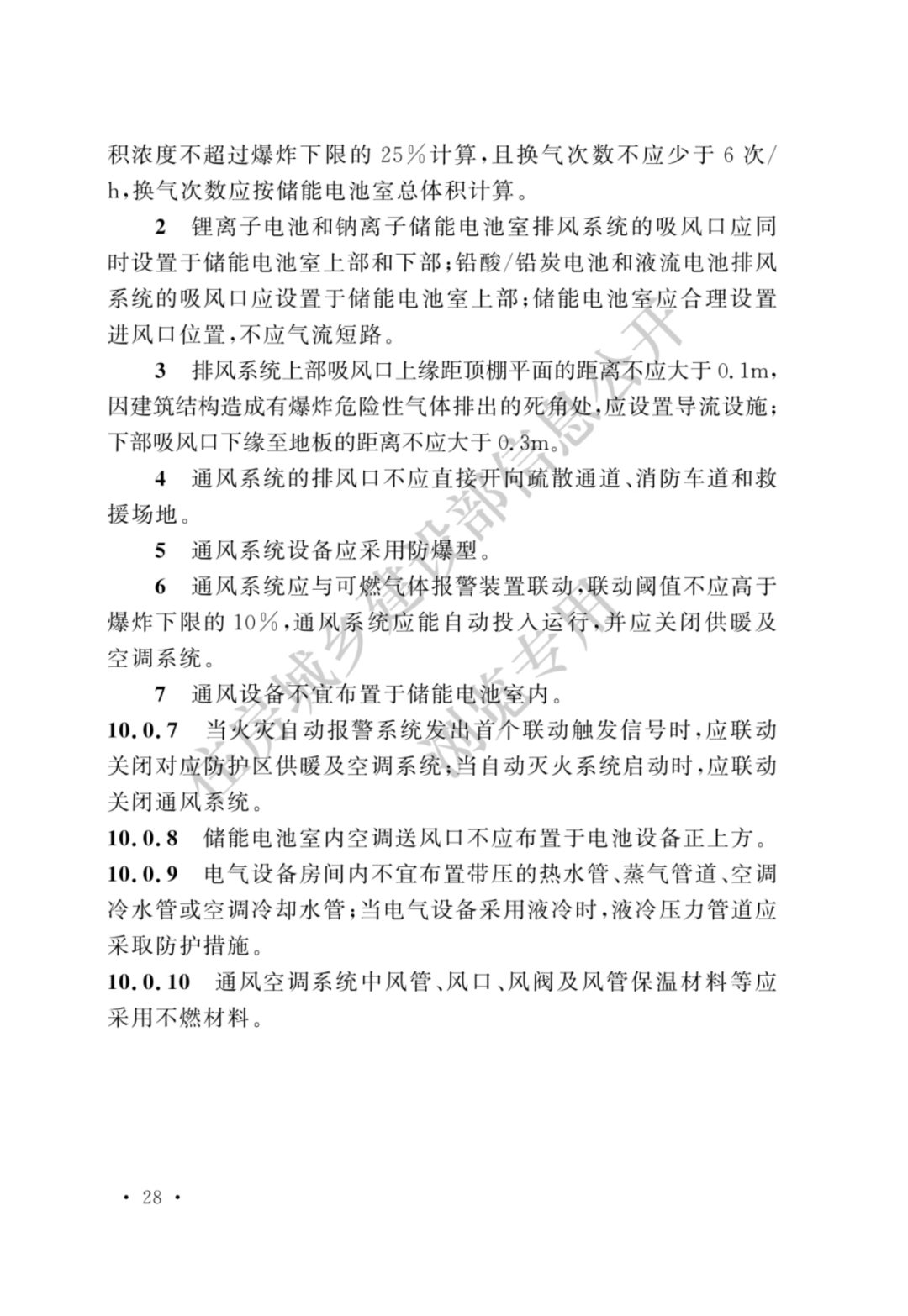
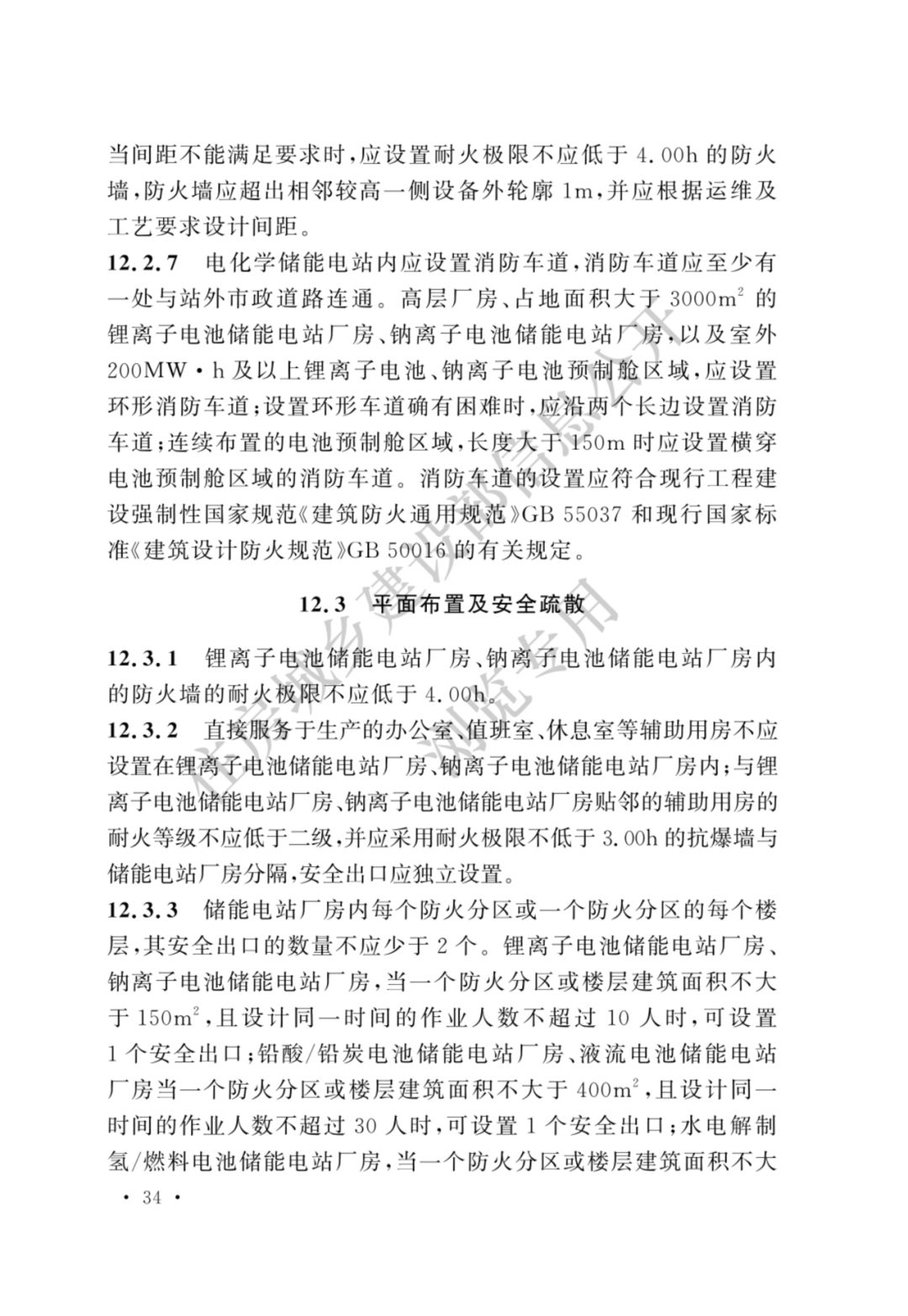
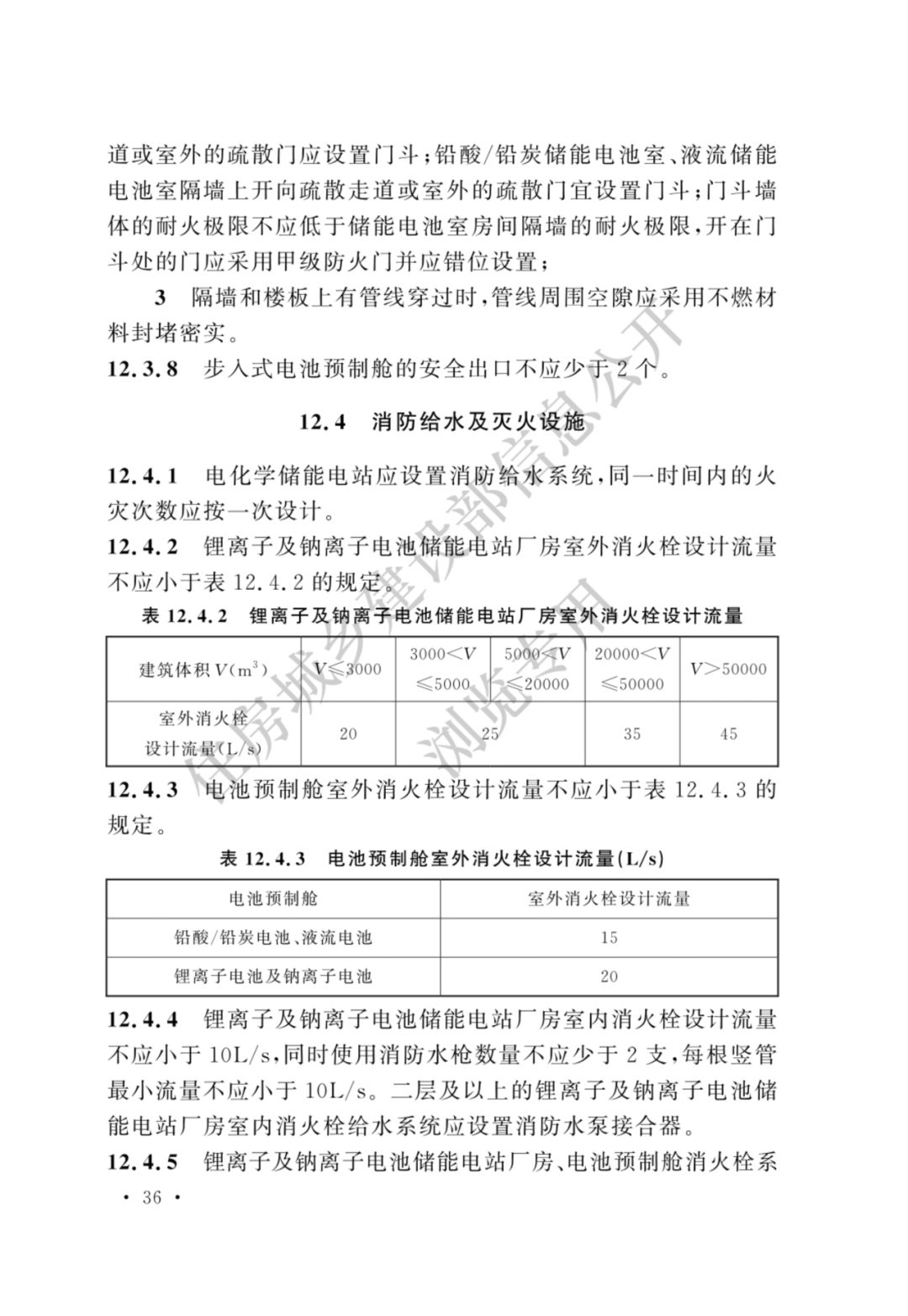
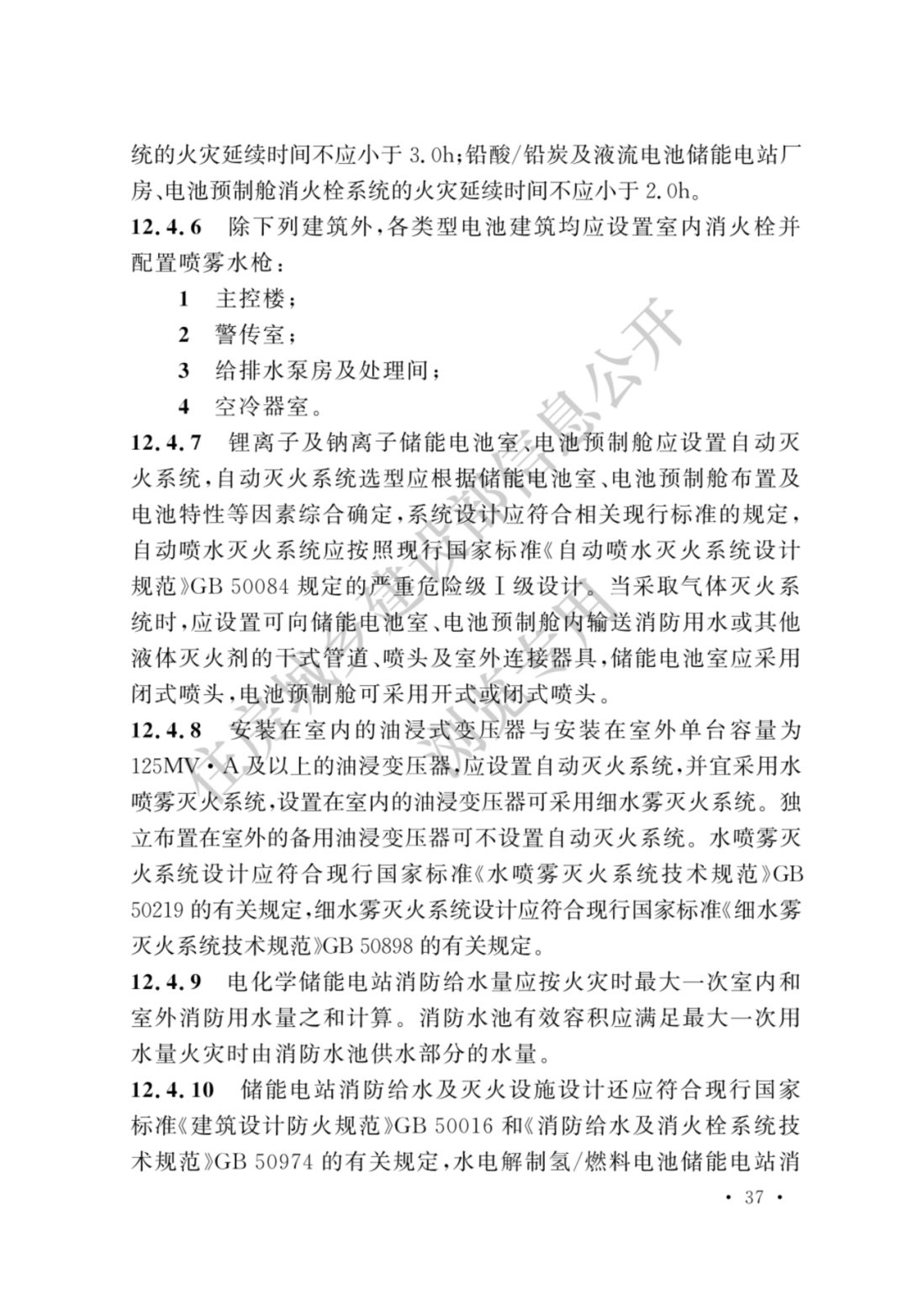
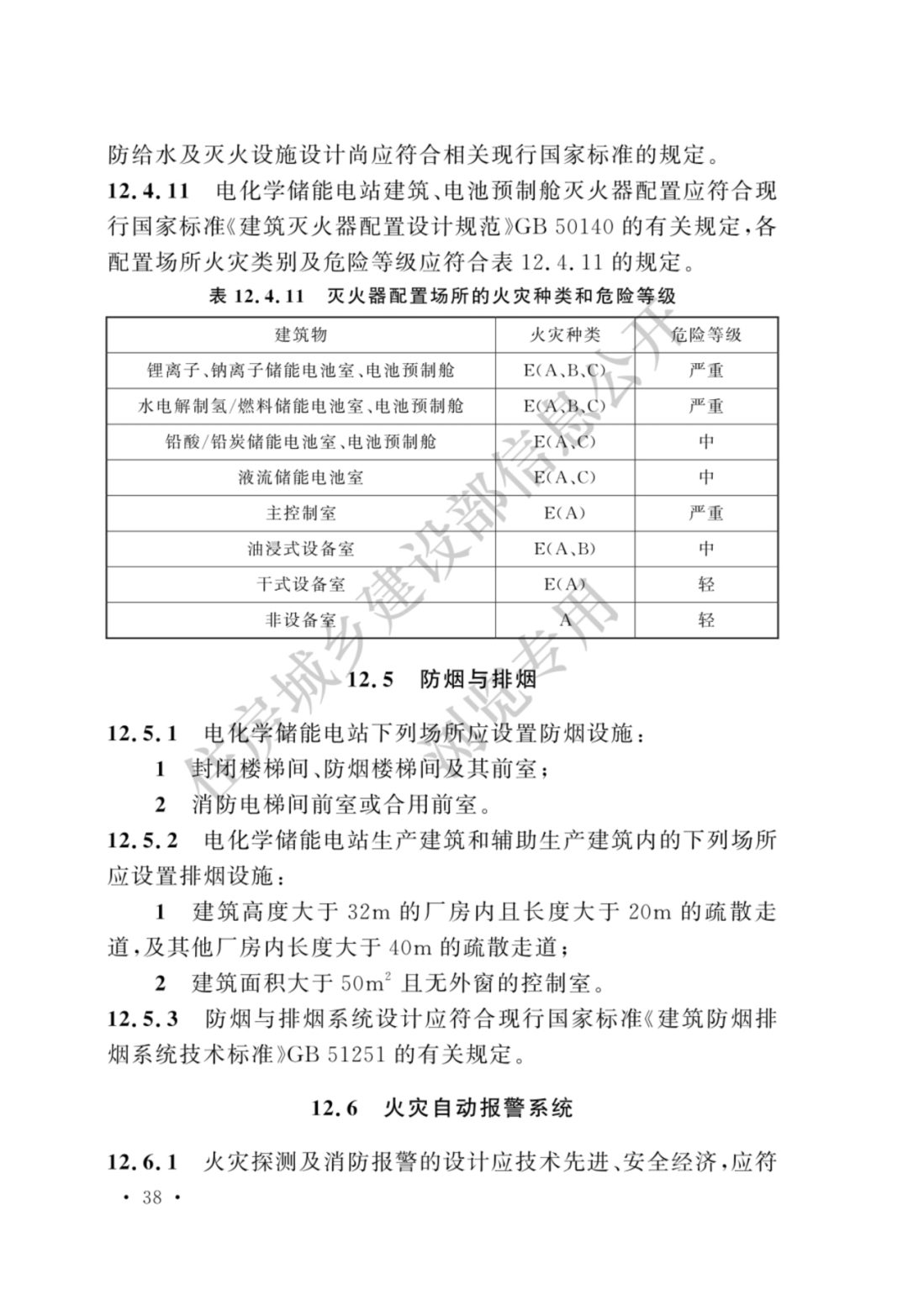
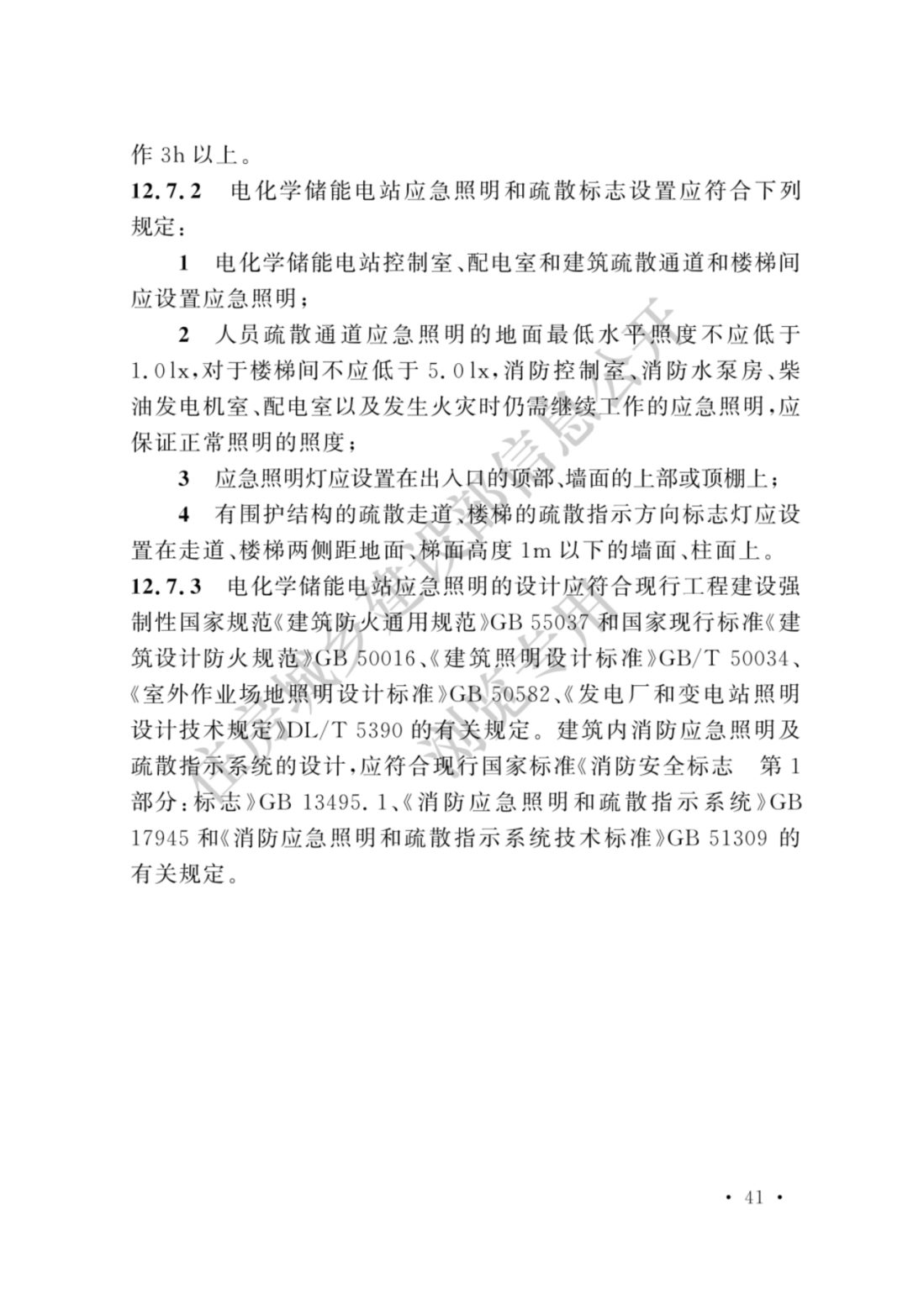
- Fire protection systems: for fire suppression, the new standard requires automatic extinguishing systems in lithium-ion and sodium-ion battery rooms and prefabricated cabins, without prescribing a particular technology. Fire alarm and suppression systems are not heavily constrained here, which helps innovative solutions to be adopted. The fire duration for hydrants serving lithium-ion and sodium-ion battery facilities is extended to 3 h (2 h for other types), and the requirements for fire engine access roads are also stricter.
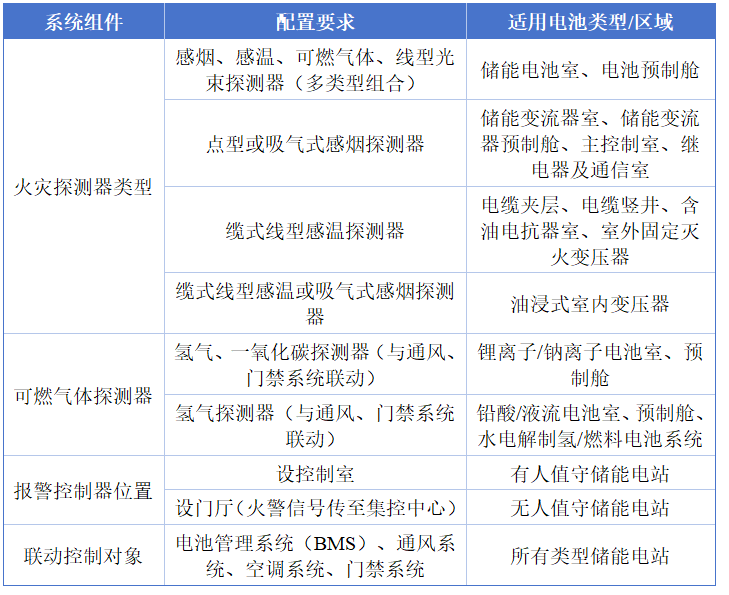
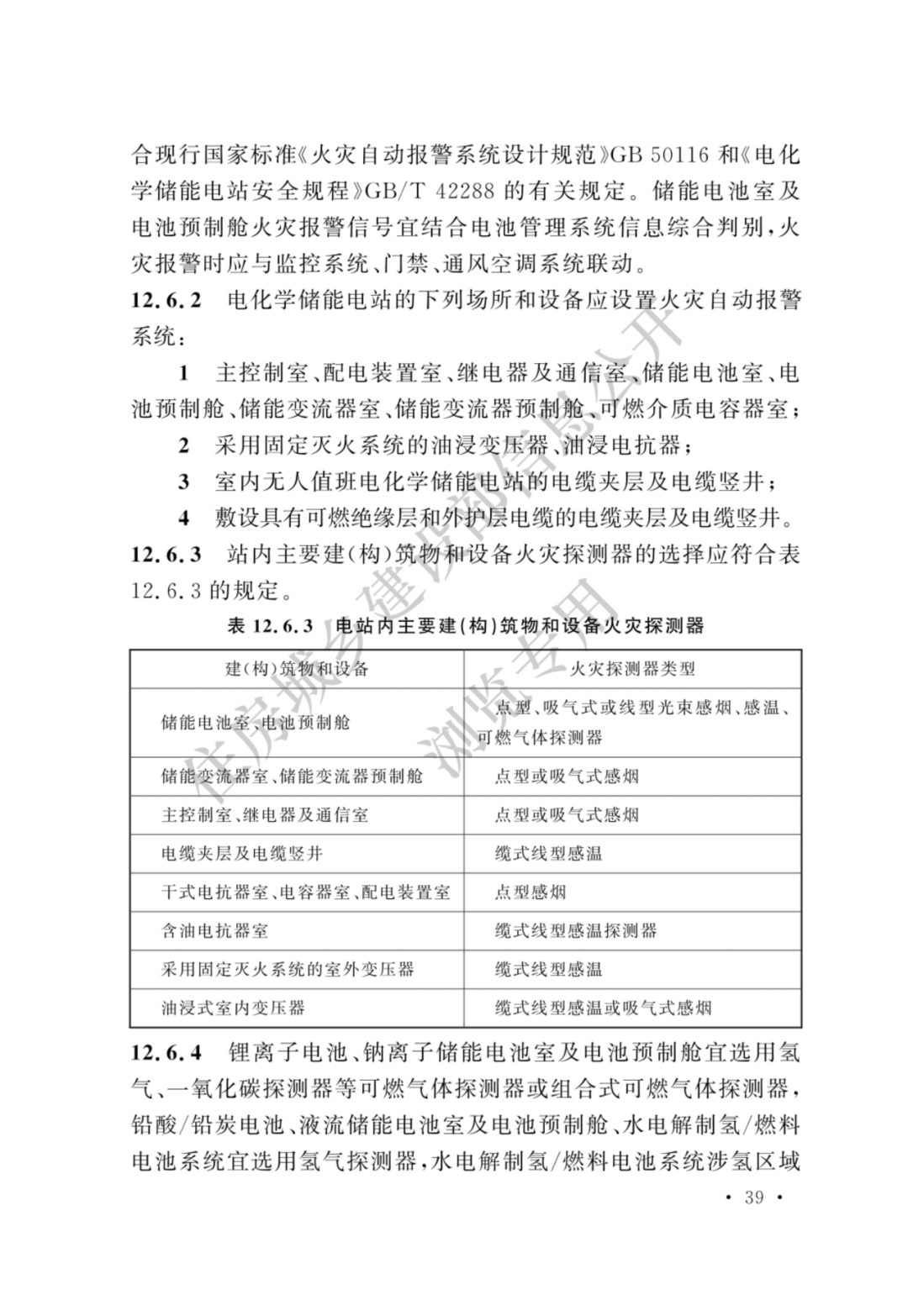
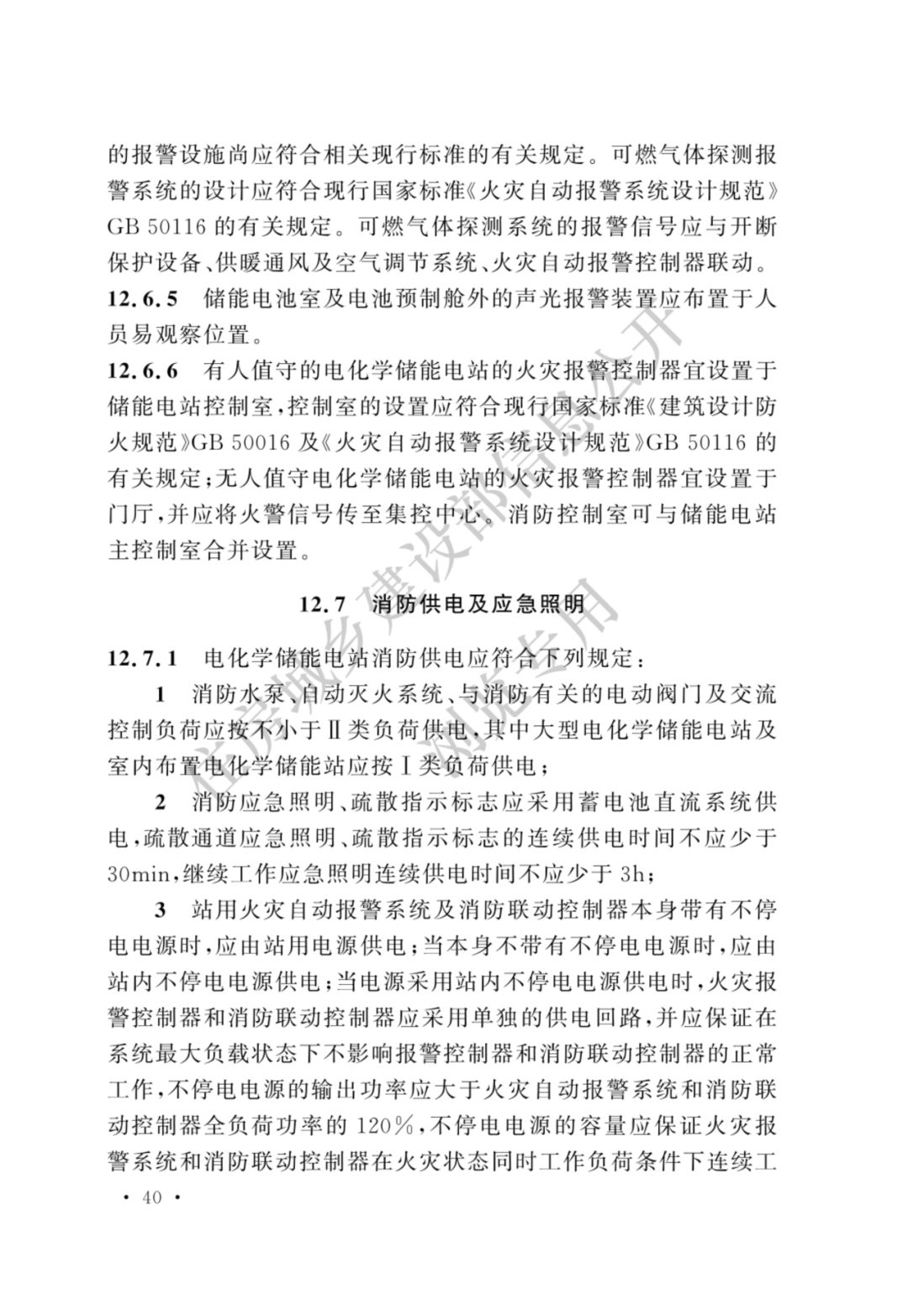
- Fire alarm system: for fire detection, the new standard is no longer limited to smoke detectors alone, and allows heat, flammable gas, linear beam and other detectors to be chosen according to the battery type.
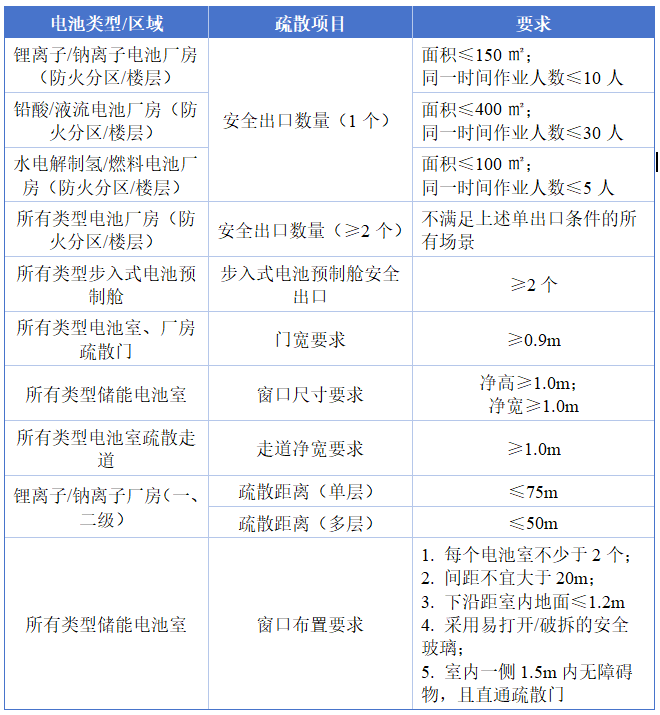
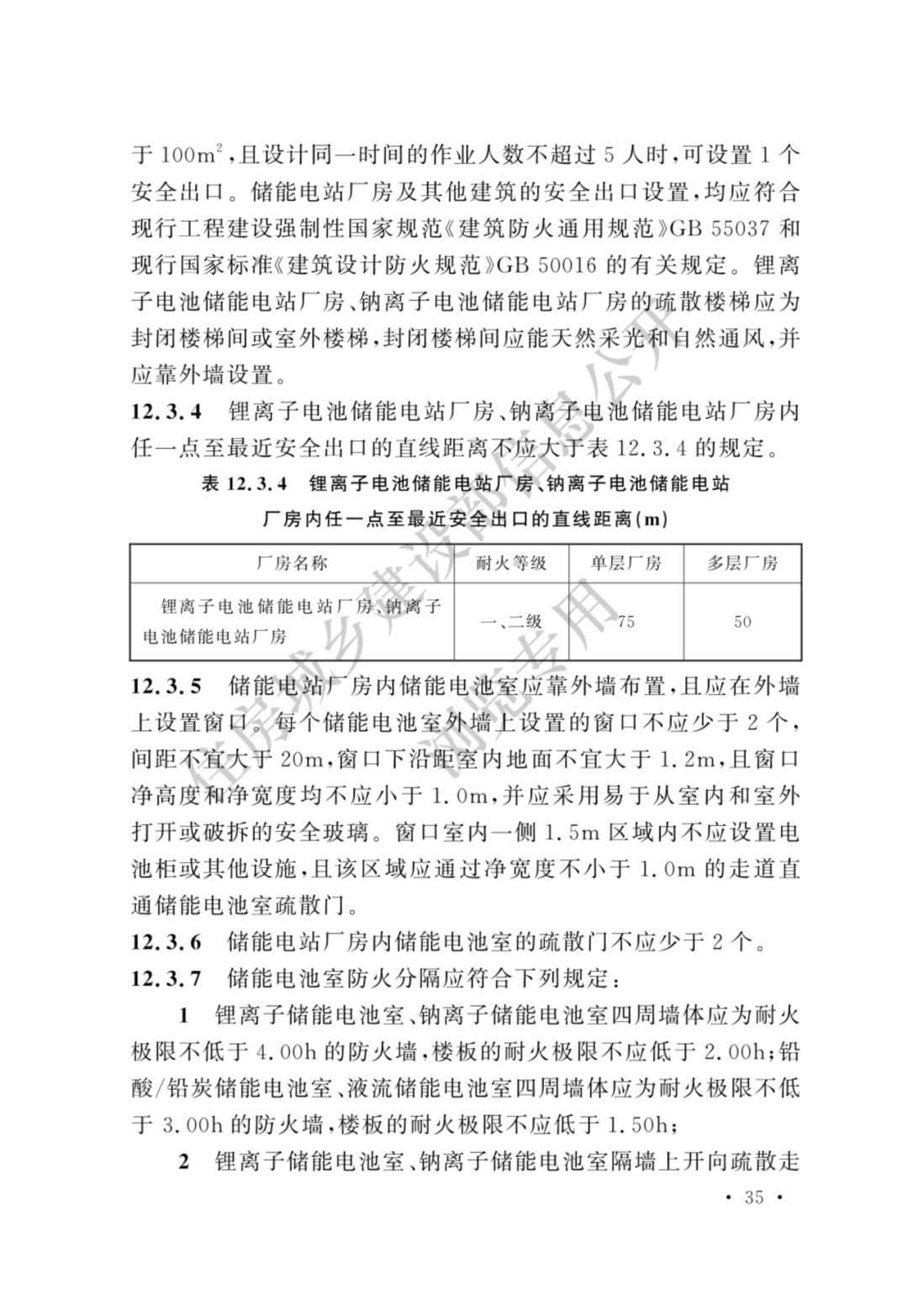
- Exits and evacuation: the number of exits, door widths and travel distances are set according to battery type and area, and the requirements for window placement are specified, so that people can evacuate quickly and safely in an emergency.
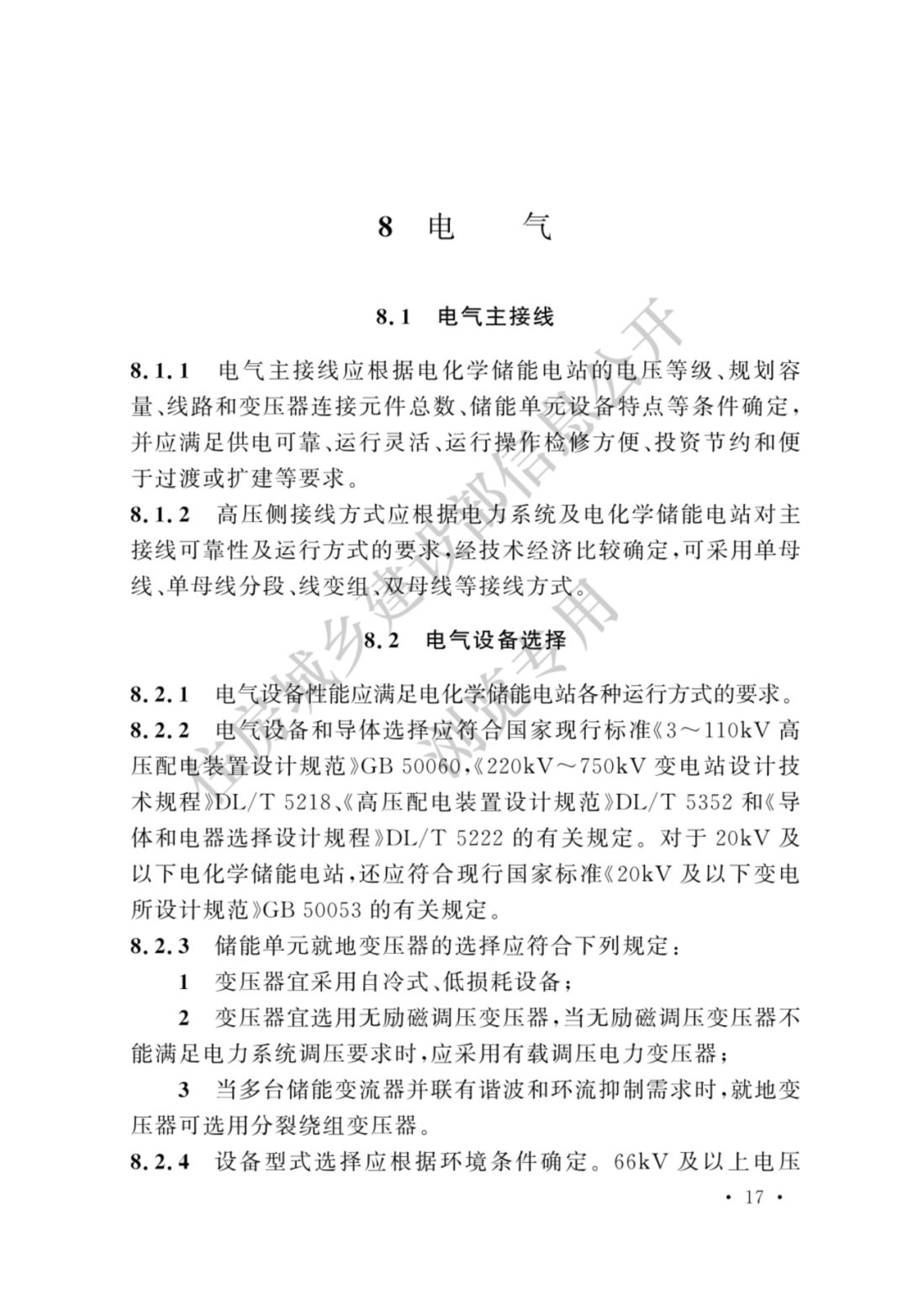
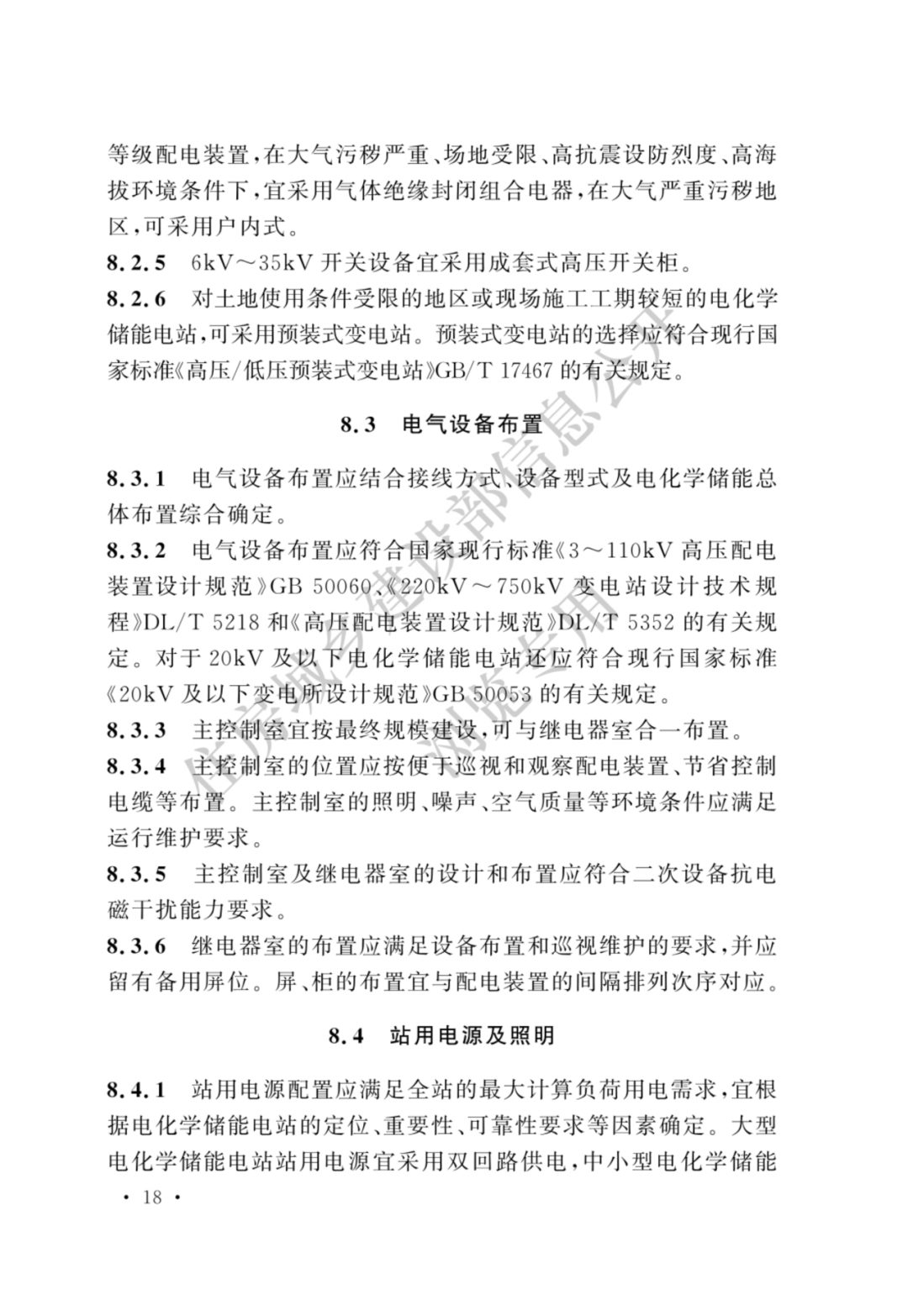
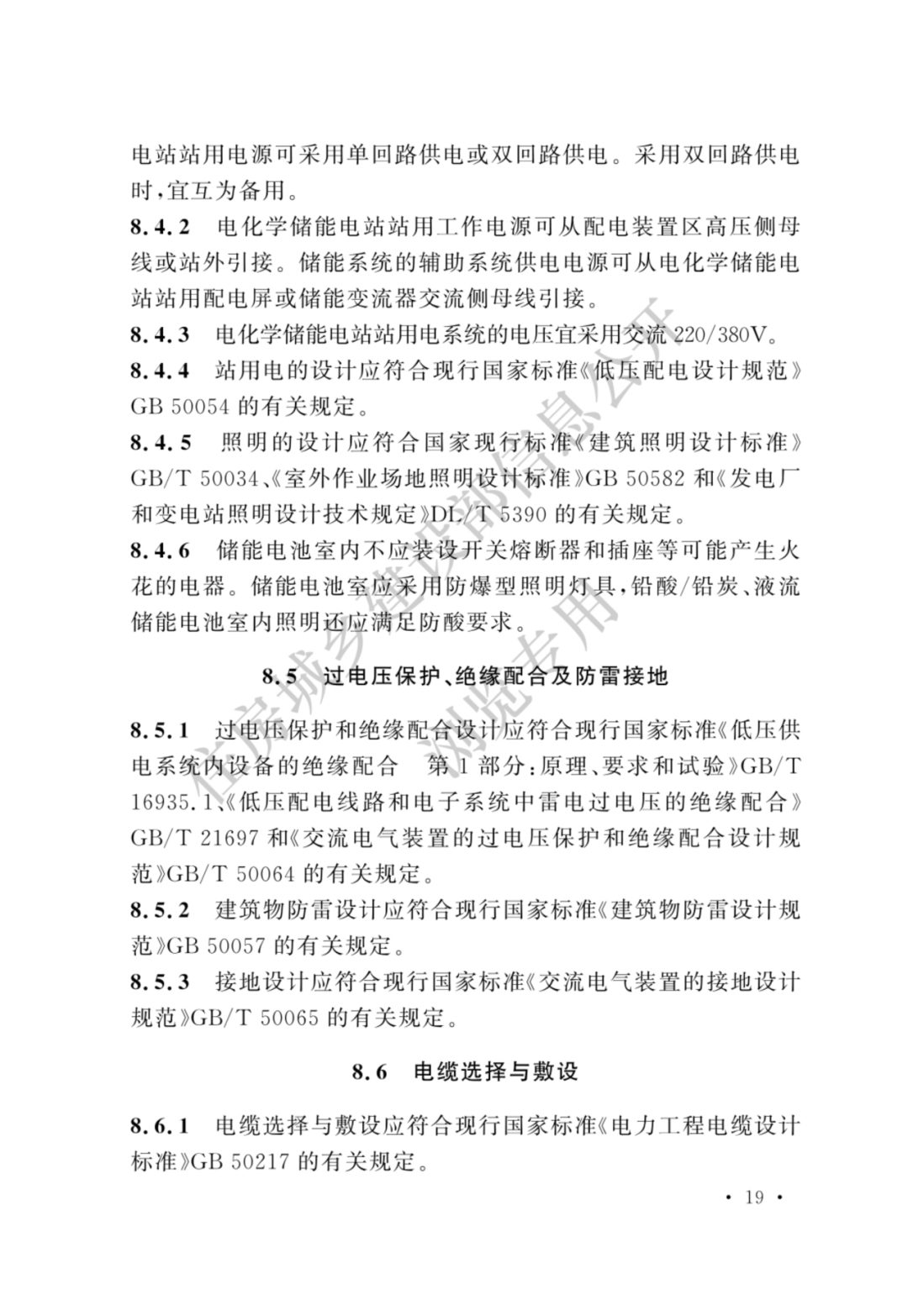
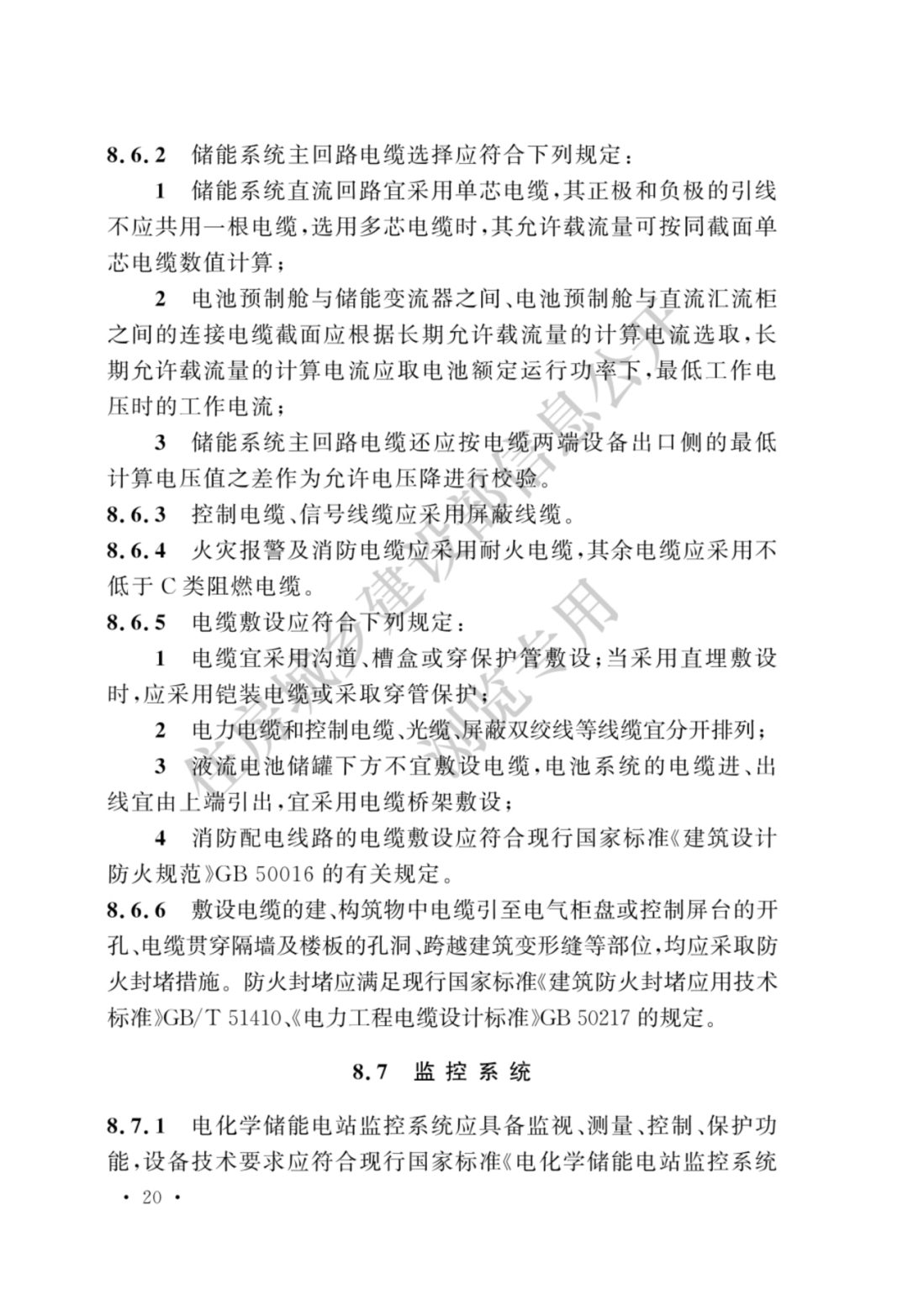
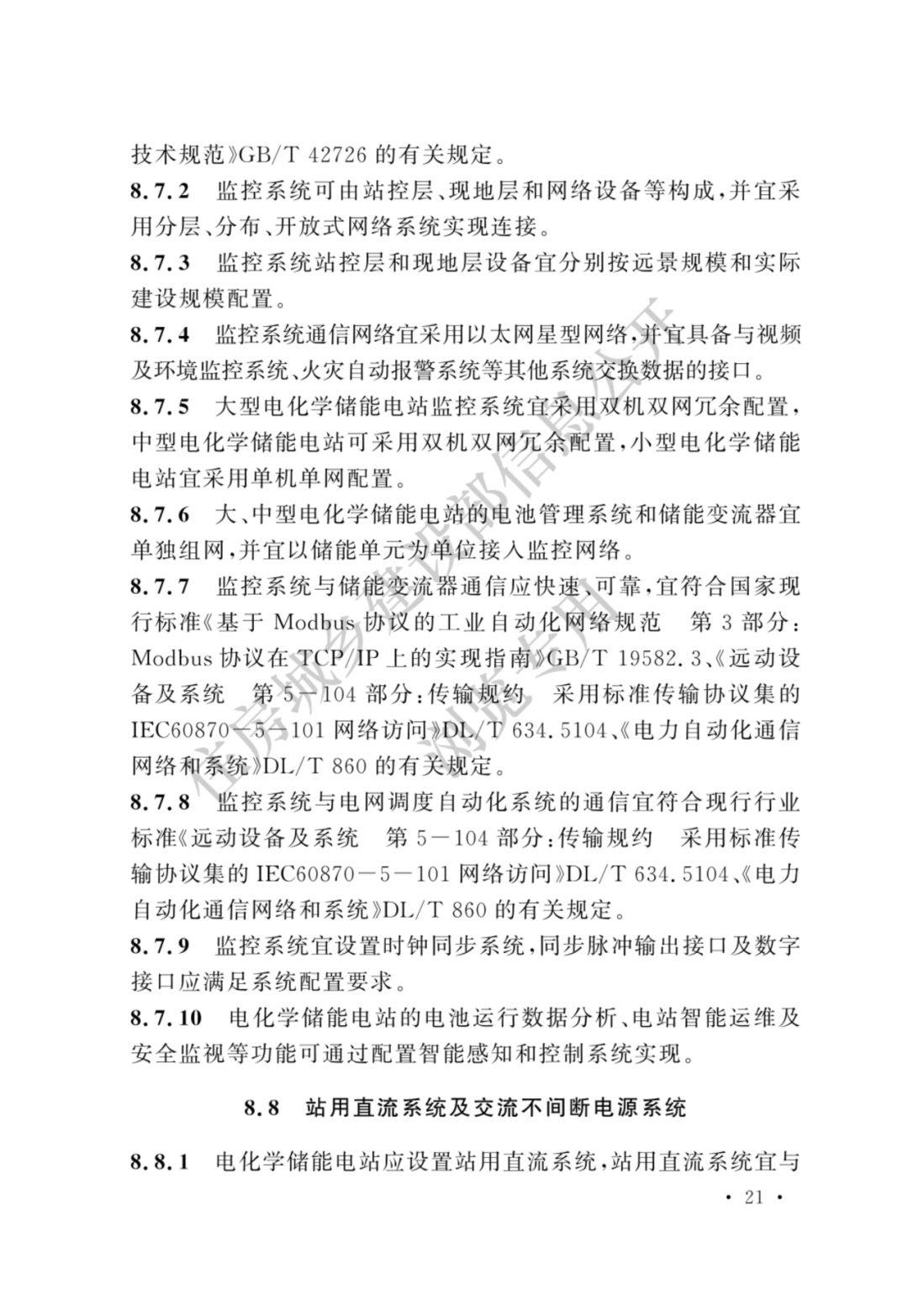
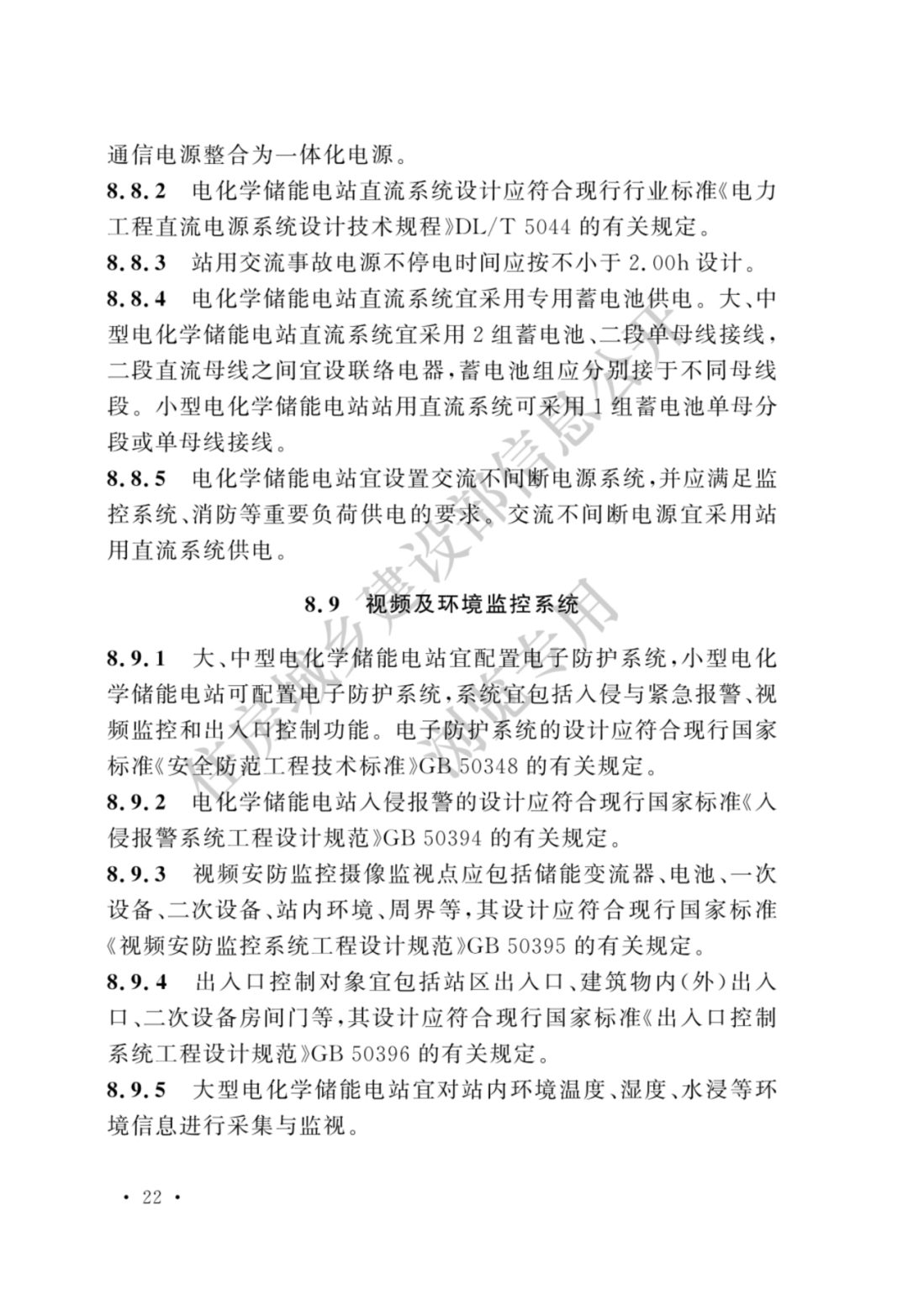
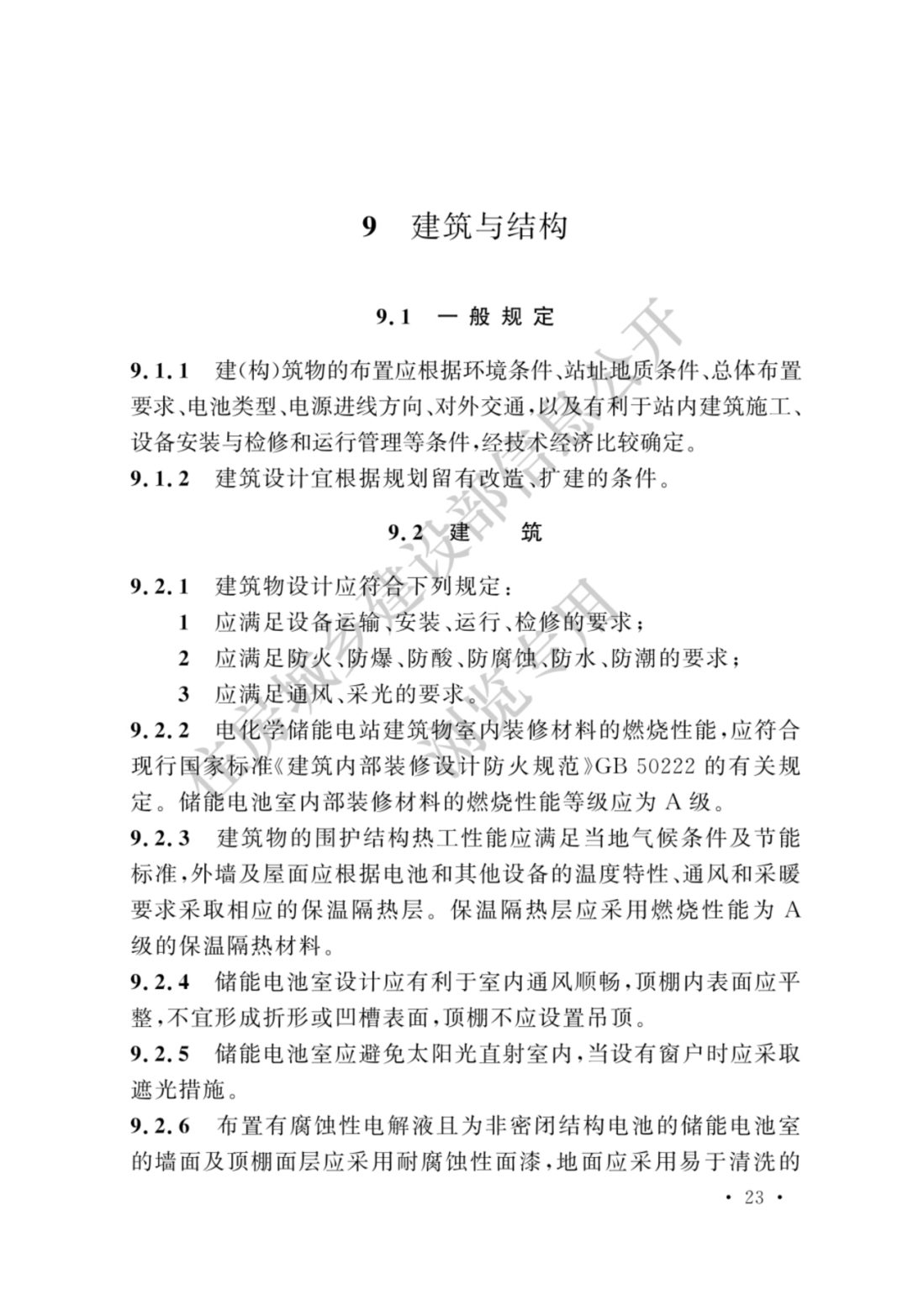
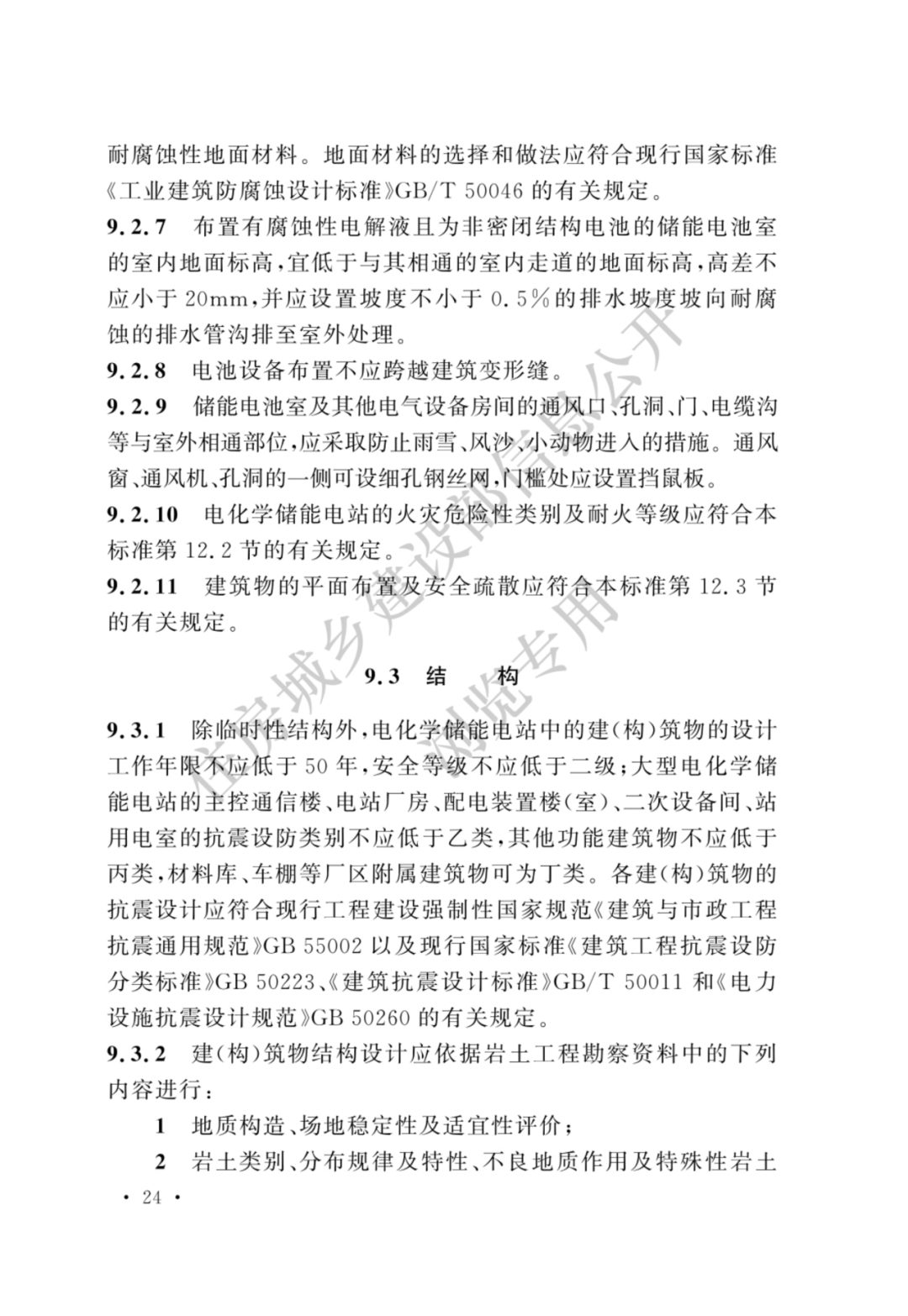
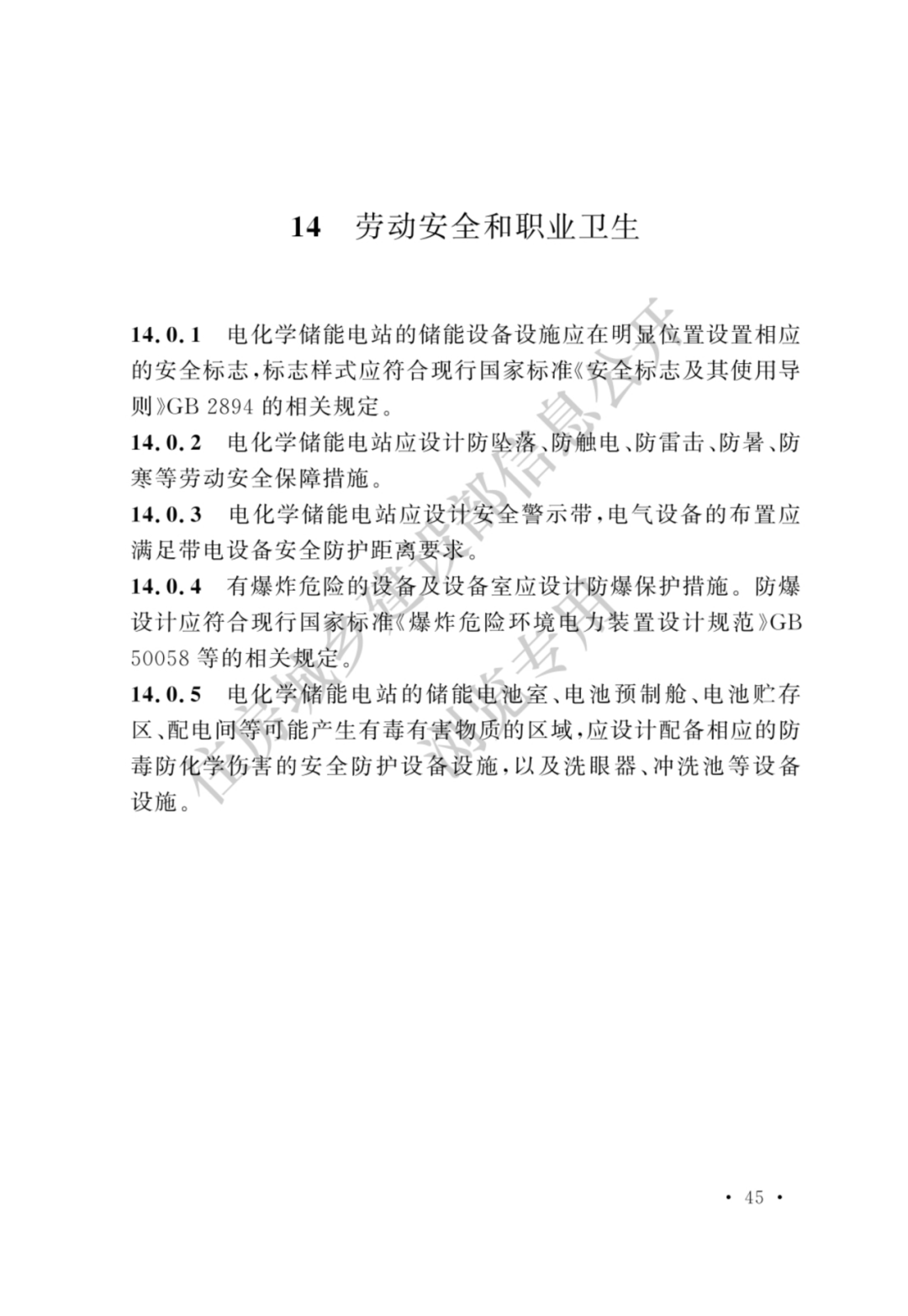
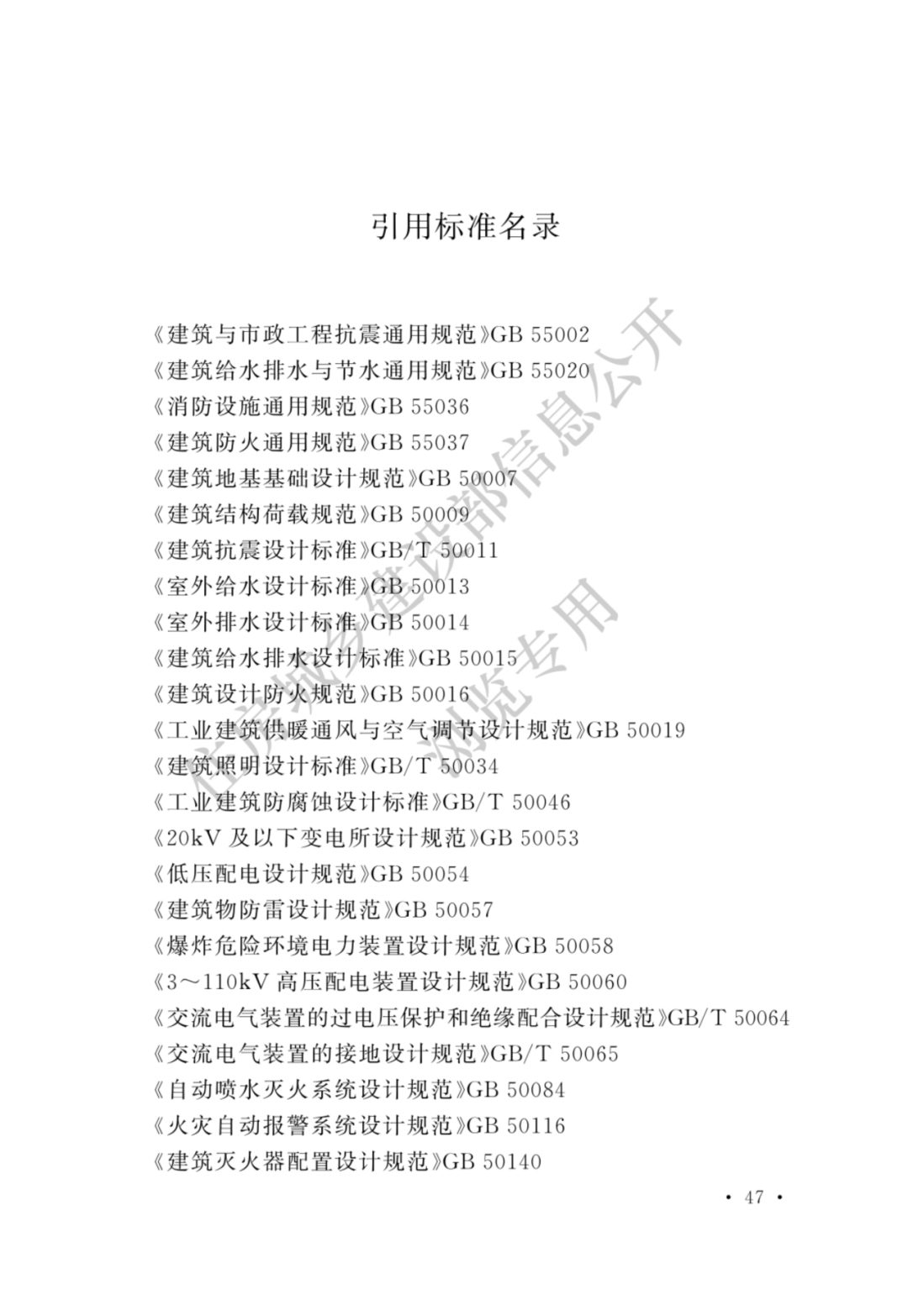
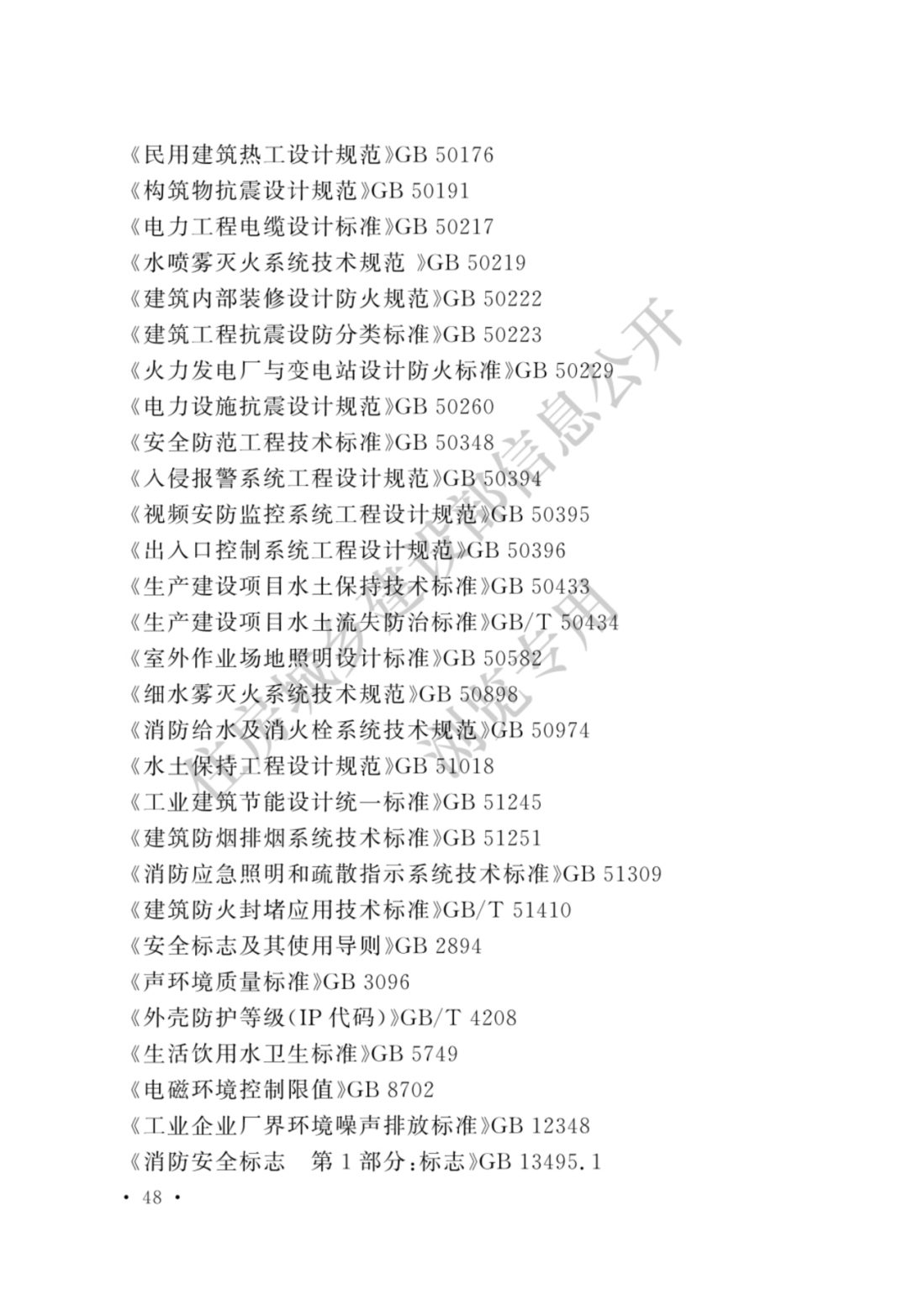
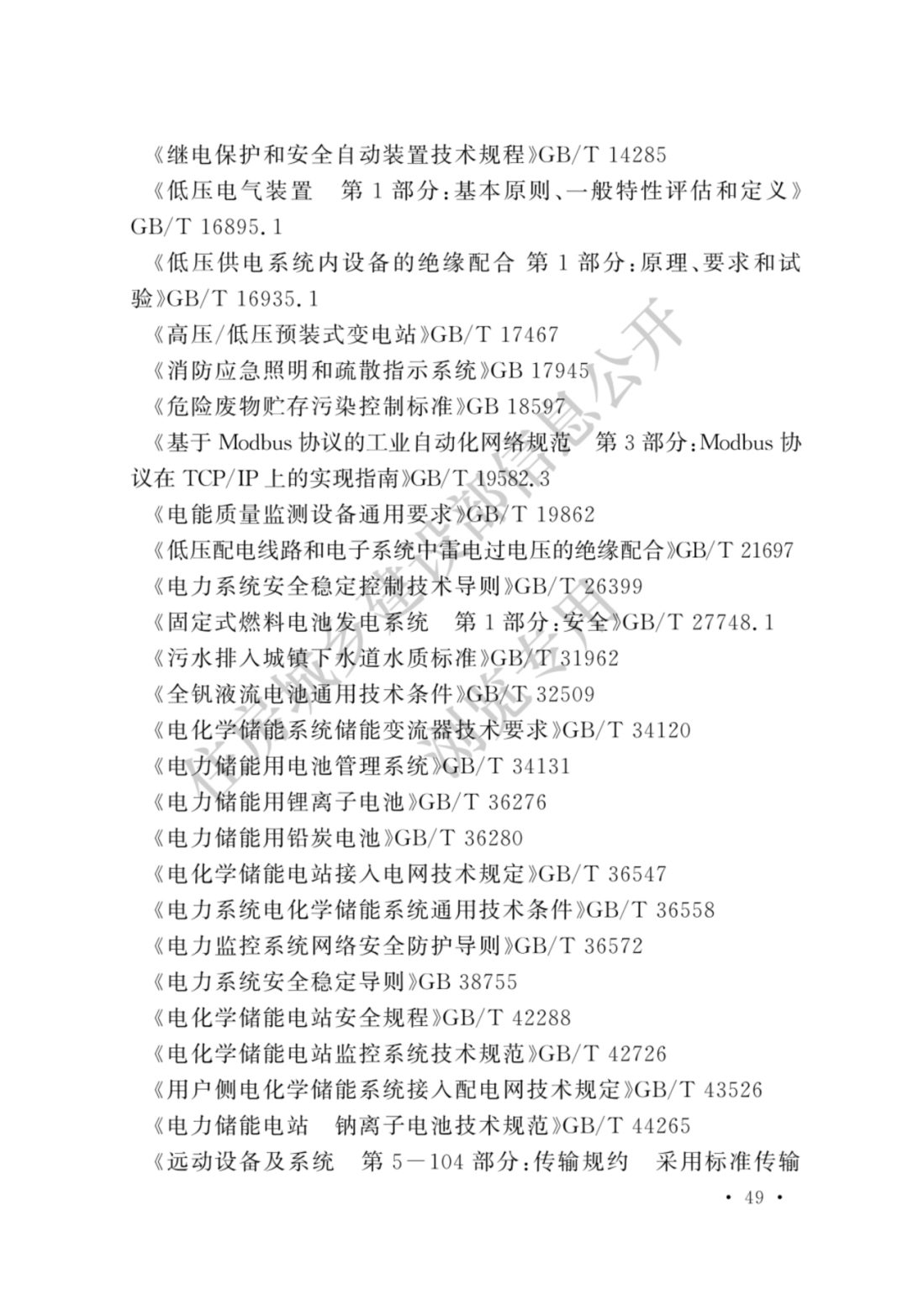
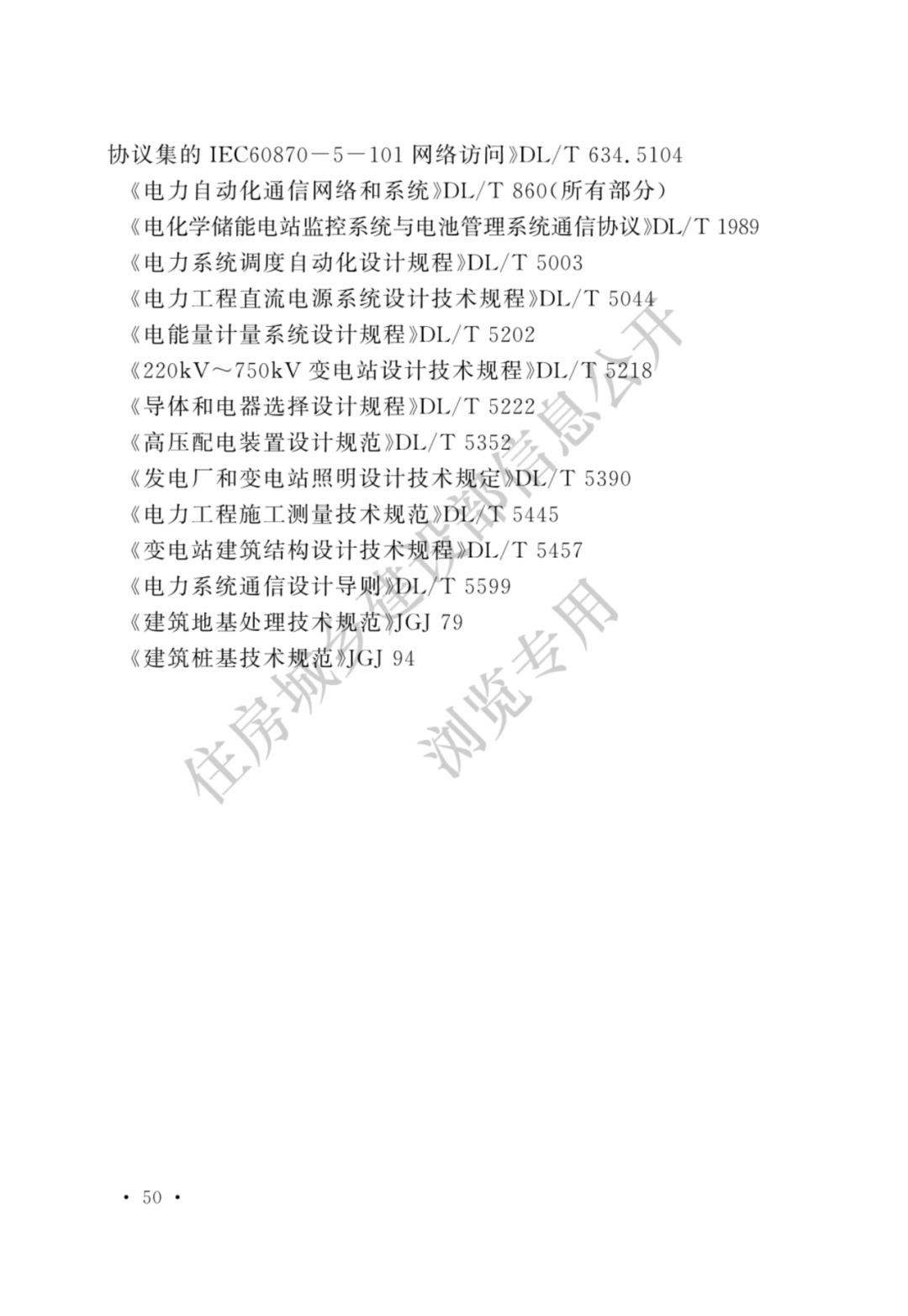
Full text of the standard



First published on our WeChat channel: read the original