

Advantages and properties of aluminium alloys
In the development of the modern construction industry, the choice of material has always been a key factor in the quality, safety and economy of a building. As design ideas keep evolving and long-span, lightweight and visually striking building forms become more common, aluminium alloys, with their distinctive advantages, have gradually become a favourite for building structures and finishes.
Light weight: the density and elastic modulus of aluminium alloy are only about one third of those of Q235 steel. For the same structural strength, aluminium members weigh far less than steel members, greatly reducing the overall weight of the building and the cost of transport and installation.
At the same time, after special processing, the aluminium alloys commonly used in buildings can reach strengths comparable to steel, giving a high strength-to-weight ratio. Aluminium members can be made lighter and slimmer without compromising structural safety, opening up more possibilities for the use of space. Aluminium alloys also have good fracture toughness and fatigue strength, so they can withstand a degree of impact load and long-term cyclic loading, keeping the structure stable and safe over a long service life.
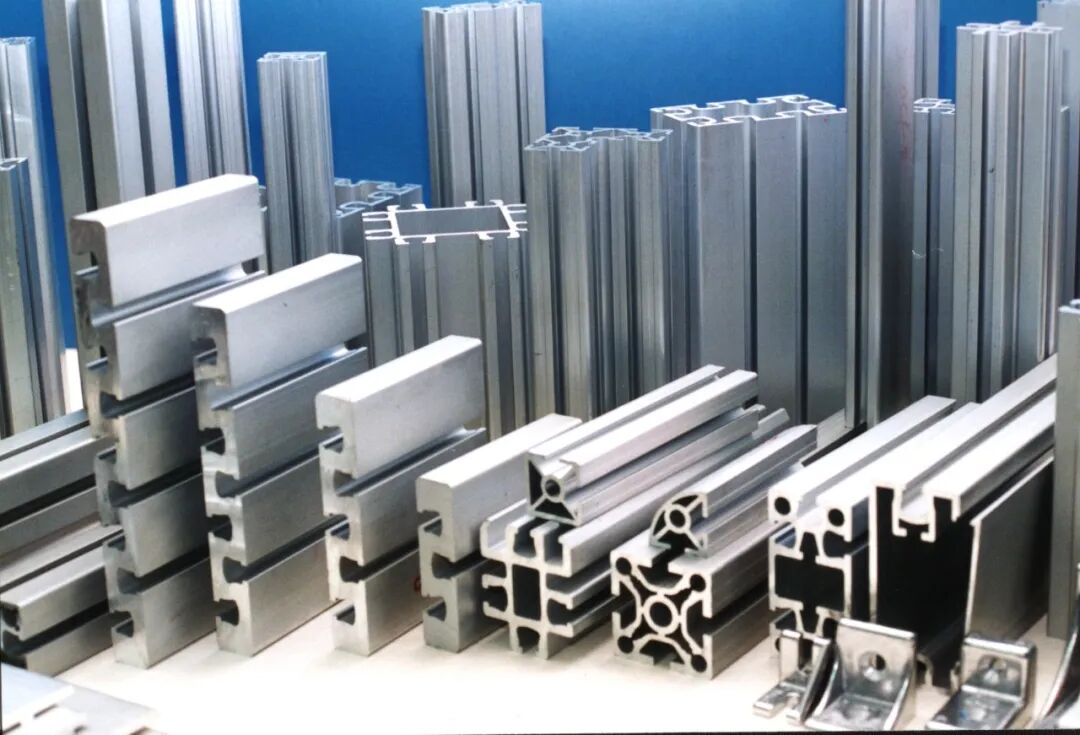
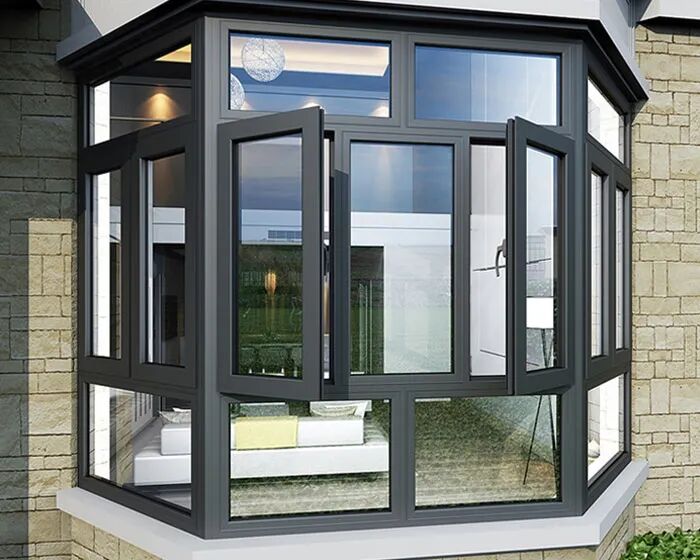
Ductility and formability: aluminium has a low melting point, around 660 °C, and aluminium alloys lower still. In production it can easily be extruded into profiles with all kinds of complex cross-sections to suit the design of different building elements. Curtain wall mullions and transoms, door and window frames, and members of space-frame structures can all be produced as custom aluminium profiles to the required sizes and shapes. This formability improves production efficiency, reduces material waste and lowers production costs.
Corrosion resistance: aluminium alloys resist corrosion well. In the atmosphere, a dense, tightly adhering oxide film quickly forms on the surface. This film effectively keeps oxygen, moisture and other corrosive agents in the air away from the base metal, protecting aluminium members from environmental attack and extending their service life.
Versatile connections: aluminium alloys can be connected in many ways. Besides welding, they are suitable for riveting, ordinary bolting and high-strength bolting.
The fire resistance challenge
Despite its many advantages in construction, aluminium alloy has a clear weakness in fire resistance. The problem is especially evident in real fires and is a major factor limiting the wider use of aluminium in buildings.
High thermal conductivity speeds heat transfer
Aluminium alloy is a good conductor of heat, with a thermal conductivity as high as 160 W/(m·K), the highest of the materials used for door and window profiles. More importantly, its conductivity increases with temperature. In a fire, flames and heat travel rapidly through aluminium members. On the one hand, this makes the members themselves heat up quickly, accelerating softening and deformation; on the other, heat is carried through them into other parts of the building, widening the area affected by the fire and making firefighting and evacuation harder and riskier.
A low melting point
The melting point of aluminium alloys is typically around 620–650 °C, far below that of steel (1100–1600 °C). When a building is on fire, the temperature rises quickly, and once it exceeds the melting point of the alloy, aluminium members rapidly melt and deform, losing their structural strength and load-bearing capacity. Even below the melting point, at around 300 °C the strength of aluminium alloy begins to fall significantly and most of its load-bearing capacity is lost, reducing structural stability.
Real fires confirm the poor fire resistance of aluminium members. In some building fires, for example, aluminium door and window profiles rarely melted completely, but severe heat distortion was common, leaving doors and windows unable to close or causing structural collapse.
This shows that even without reaching the melting point of aluminium, high temperatures are enough to make aluminium members lose their stiffness and stability. Severe distortion of aluminium profiles at high temperature can stop doors and windows opening and closing properly, which can block escape routes and also let external flames and hot smoke enter the building more easily, worsening fire spread.
Because aluminium alloy conducts heat quickly, heats up rapidly and loses strength sharply as temperature rises, ordinary unprotected aluminium structures can hardly meet the fire resistance requirements of building fire codes. Current codes typically require fire resistance of 0.5 to 3 hours for loadbearing elements, whereas unprotected aluminium members may lose their load-bearing capacity within a few minutes to a dozen or so minutes in a fire.
To make aluminium structures safe in fire, therefore, dedicated fire protection measures are needed to improve their fire resistance.
Improving the fire resistance of aluminium alloys
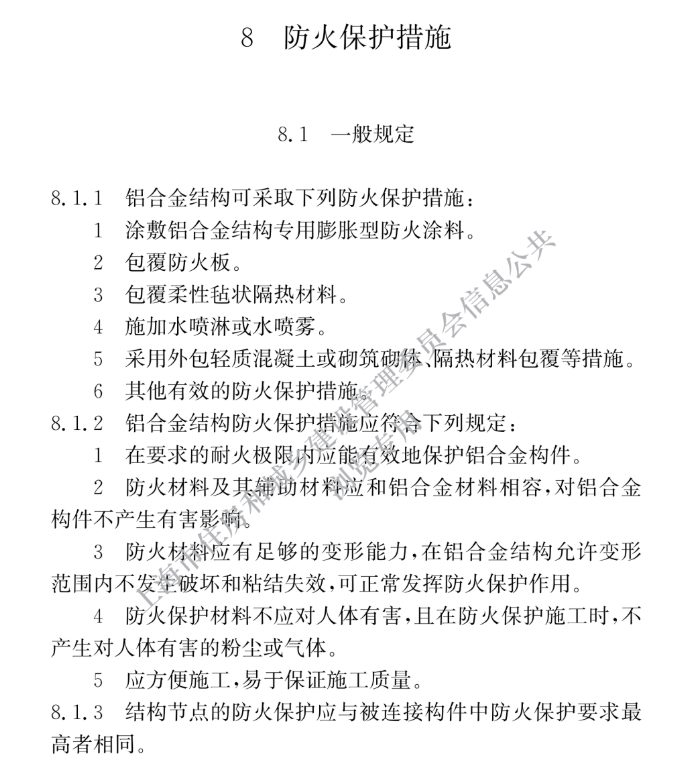
To make up for the weak fire resistance of aluminium alloys, meet building fire codes and keep buildings safe in use, the industry has been actively exploring effective fire protection measures. The common methods today include special processes such as applying fire-resistant coatings, adding steel reinforcement and filling with insulating material, together with fire resistance calculations for the aluminium structure as a whole to confirm its safety in fire.
Fire-resistant insulating coatings
Applying a fire-resistant material to the surface of aluminium profiles is one of the most widely used and effective fire protection measures. A film or coating with good insulating and fire-resistant properties on the profile surface blocks the direct action of flames and heat on the base metal and slows the rise in temperature of the member, so increasing its fire resistance. The coating not only provides fire protection and insulation but can also be decorative, and it protects the base metal from environmental attack, further extending service life.
Encasing in fire-resistant insulating materials
Encasing aluminium members in fire-resistant boards (such as fire-rated plasterboard or calcium silicate board) or flexible insulating blankets (such as mineral wool or ceramic fibre blankets) is a traditional and effective method of fire protection. It forms an insulating shell around the member, separating the aluminium from flames and heat. Its advantages are high reliability and stable insulation; its drawbacks are that it adds bulk and weight to the member and is relatively complex to install.
Filling or insulating cores
For hollow aluminium profiles (such as curtain wall framing and window frames), the cavities can be filled with insulating material to improve fire resistance.
Steel liners or reinforcing cores
Inserting steel sections or other high-temperature-resistant materials into aluminium profiles as a core is an effective way of improving the load-bearing capacity of the member in fire. The design must, however, allow for the difference in thermal expansion between steel and aluminium and ensure a firm connection between the two materials, so that they do not separate and fail at high temperature.
A new insulating fire-resistant coating: a fire protection solution for aluminium
Of all the ways of improving the fire resistance of aluminium alloys, fire-resistant insulating coatings are among the most promising. In recent years, advances in nanomaterials and polymer technology have greatly improved the performance of new coatings of this kind. An insulating fire-resistant coating recently tested in our laboratory performed excellently in fire resistance testing on aluminium alloy, achieving a fire resistance of 1.5 hours and offering a breakthrough solution for the fire protection of building aluminium.
The coating is a new high-temperature insulating nanomaterial. It uses polysiloxane and inorganic silicone resin as hybrid film formers, and is produced from nano inorganic silica, nano micro-powders and plastic materials by a combined dry/wet foaming process. This formulation and process make the coating a liquid or paste at room temperature, so it is easy to apply to aluminium and other substrates; on drying and curing it forms a continuous, dense layer.
What is innovative about this coating is its high-temperature transformation mechanism and microstructure. At room temperature and normal service temperatures it adheres to the substrate as an organic–inorganic composite coating, sealing out air and providing waterproofing and corrosion protection. When exposed to the high temperatures of a fire, it converts into a ceramic-like structure of Si–O–Si bonds. Because the silicon–oxygen bond energy is high (460 kJ/mol) and thermally stable, this greatly improves the coating's temperature resistance and ageing resistance. It forms a structural film on the metal substrate that withstands ultra-high temperatures, and at high and ultra-high temperatures (500–1500 °C) it develops a nanostructured porous structure that gives highly efficient heat exchange between the substrate surface and the oxygen and other gases in the air, achieving excellent insulation.
Thanks to these mechanisms, the coating shows outstanding fire performance. In laboratory fire resistance tests, aluminium alloy specimens coated with it readily met the 1.5-hour requirement: the substrate did not fail during 90 minutes of exposure to the standard fire curve. By comparison, unprotected aluminium specimens usually lose load-bearing capacity within minutes, and even specimens with conventional fire-resistant coatings struggle to reach 1 hour.
The coating has therefore taken the fire resistance of aluminium members to a new level.
Besides its long fire resistance period, the coating also insulates remarkably well at high temperature. With flame temperatures above 1000 °C, the temperature on the unexposed face rose very slowly, effectively preventing the aluminium substrate from being heated quickly to a dangerous temperature.
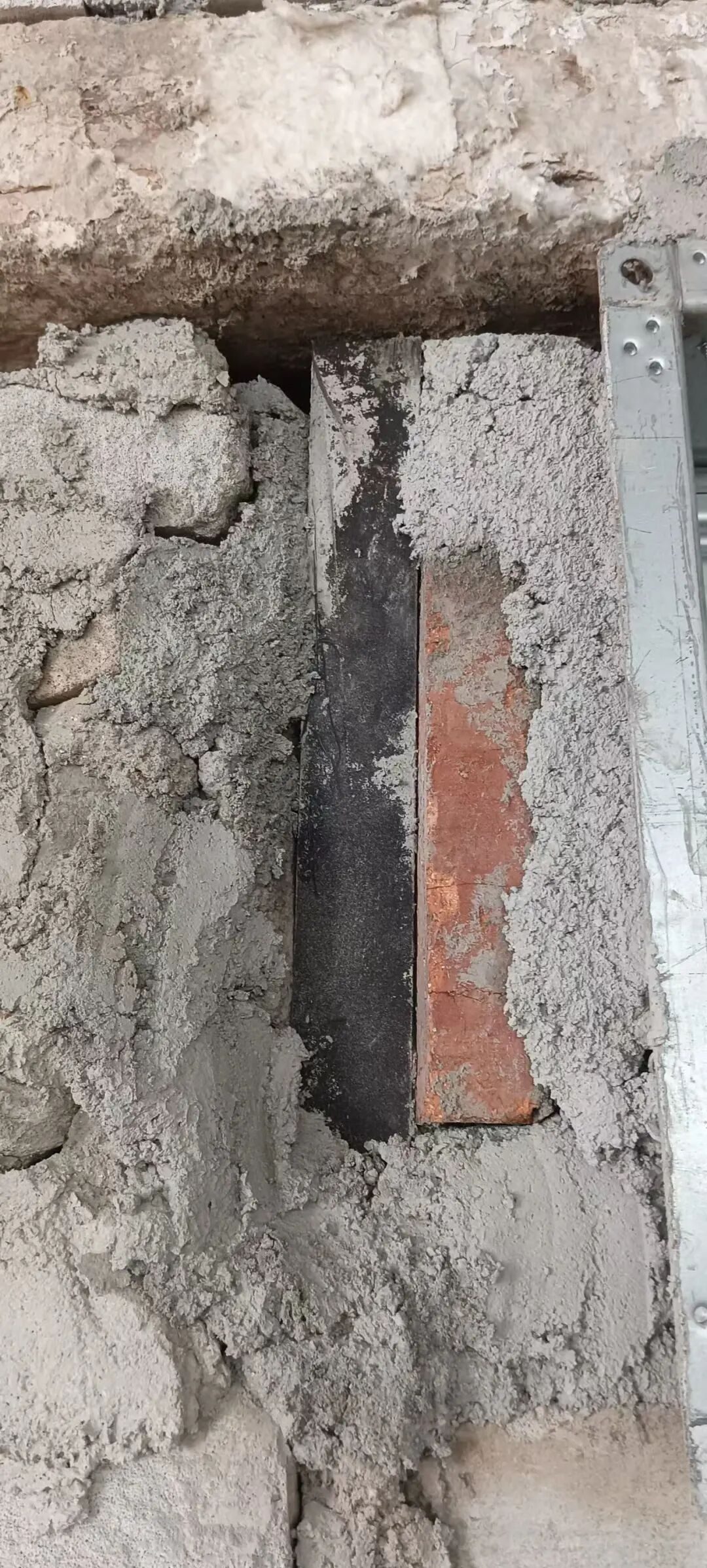
Before the test
After the test
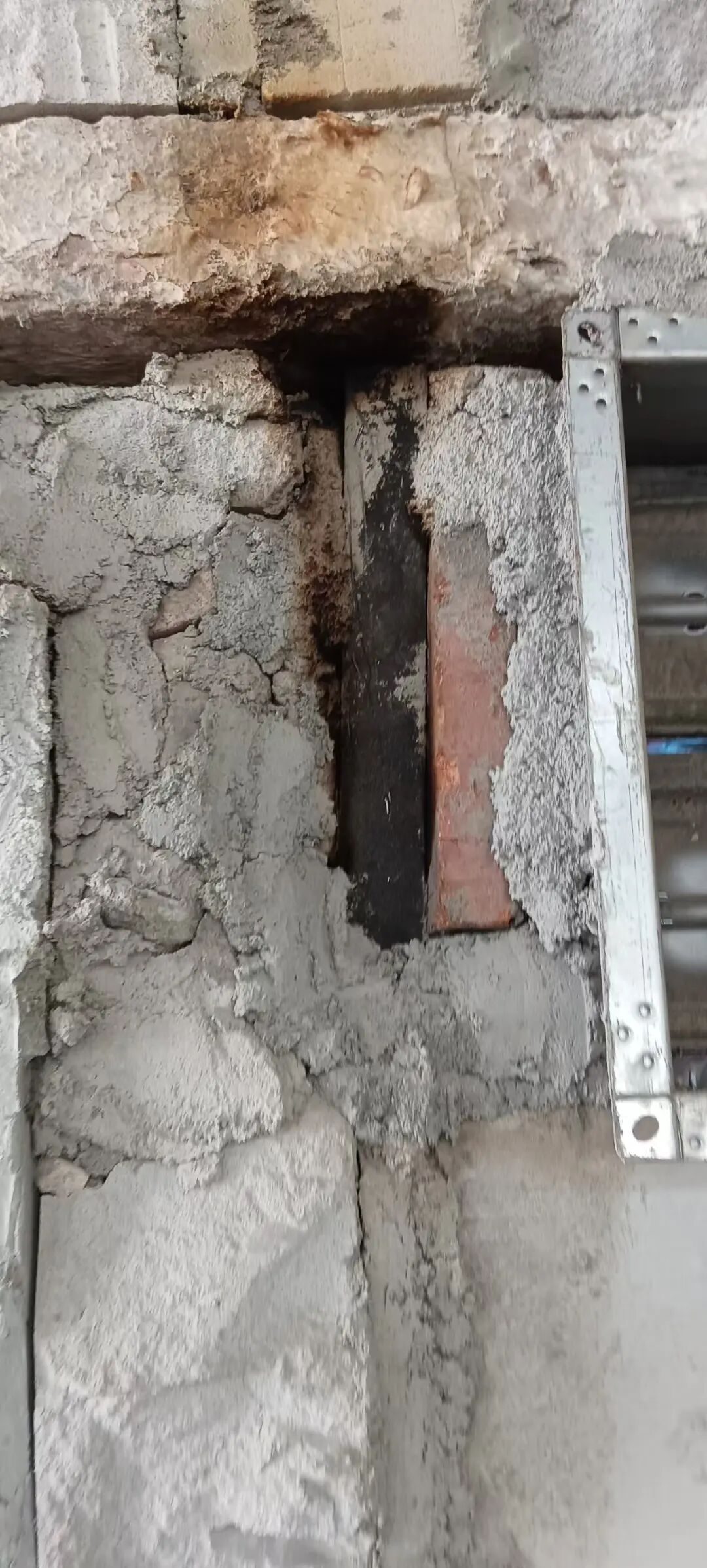
Beyond its fire protection and insulation, the coating's other physical and chemical properties also suit building use.
It adheres well to and is compatible with aluminium substrates, forming a dense, continuous coating that does not readily crack or flake and can withstand long-term weathering, sun, and wetting and drying cycles.
Once cured, the coating has a degree of flexibility and impact resistance, so it does not crack when the member deforms under load or with temperature changes, keeping the fire protection continuous.
It can be applied by brush, roller or spray, so application is simple, and it is particularly well suited to protecting complex, irregularly shaped members.
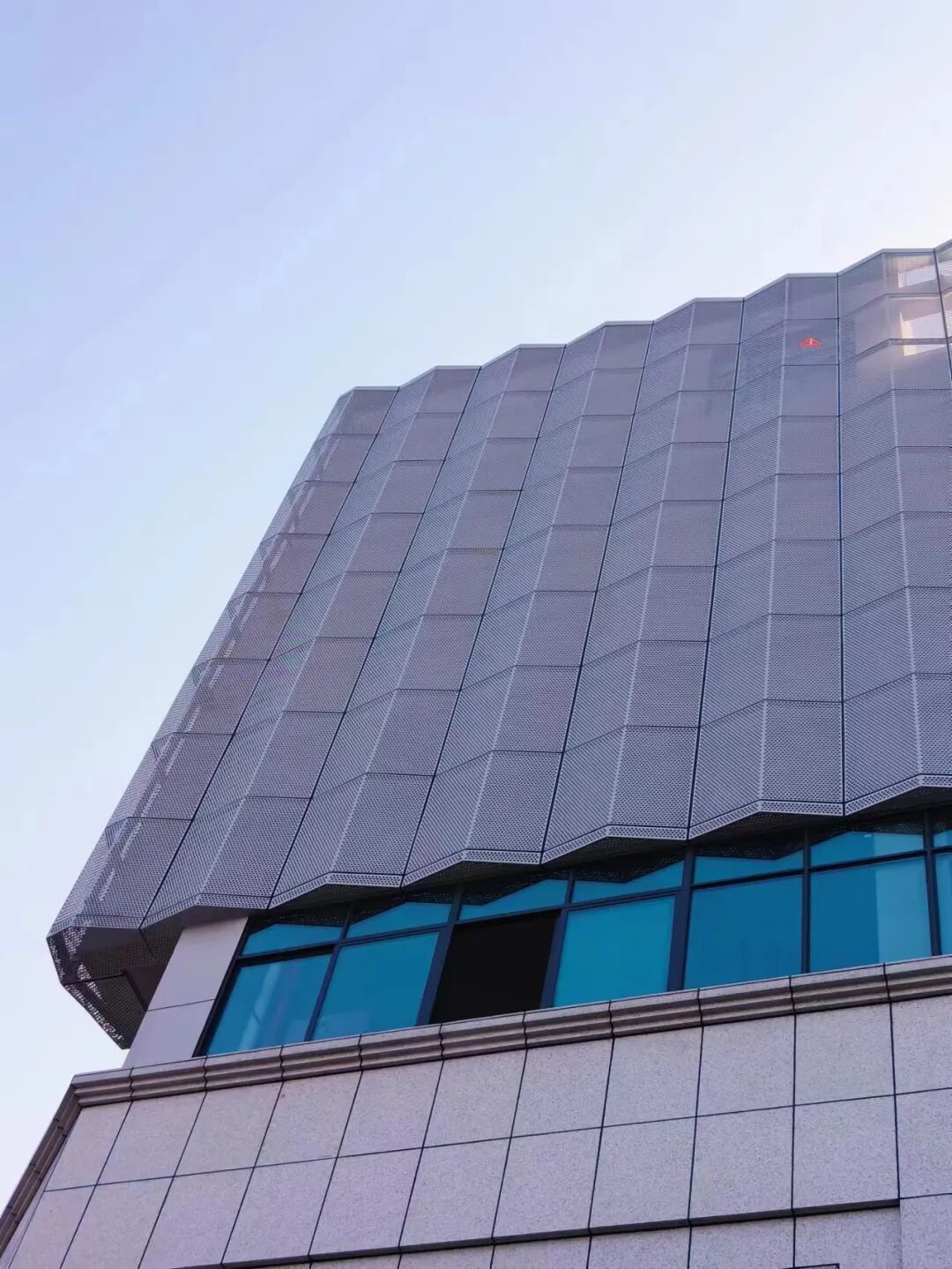
With their light weight, high strength, good looks and durability, aluminium alloys have broad prospects in construction, and their use in buildings will become ever more widespread. Research into the fire safety of aluminium structures will deepen accordingly, and new fire protection materials and technologies will keep emerging. This new coating, as one example, already shows good promise, and its wider use on aluminium roofs, curtain walls and other parts of large public buildings is something to look forward to. Combining passive fire protection with active fire protection systems is another direction for improving the overall fire safety of buildings.
Through joint efforts in materials, design, construction and fire protection, there is good reason to believe that aluminium structures can bring lighter, more elegant spaces and a more sustainable future to modern buildings without compromising safety. As research and application continue, aluminium will shine ever brighter in architecture.
For more on the applications and test data of this coating, please contact us.

First published on our WeChat channel: read the original