

Frequent fires in lithium battery storage
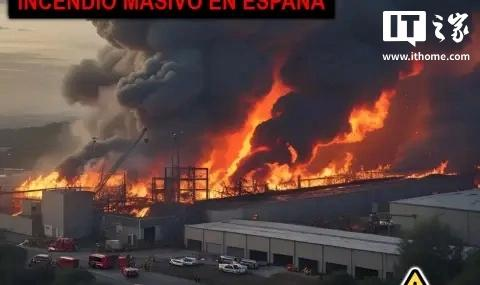
According to Xinhua, a series of explosions occurred on 4 July 2025 at a lithium battery recycling plant north-east of Madrid, the Spanish capital, producing a toxic smoke cloud. The explosions started a large fire that was still burning on 6 July. The plant mainly recycled lithium batteries. After the explosions, about 60,000 residents of towns including Azuqueca de Henares, Cabanillas del Campo and Alovera received mobile phone alerts telling them to stay at home and close their doors, windows and air conditioning.
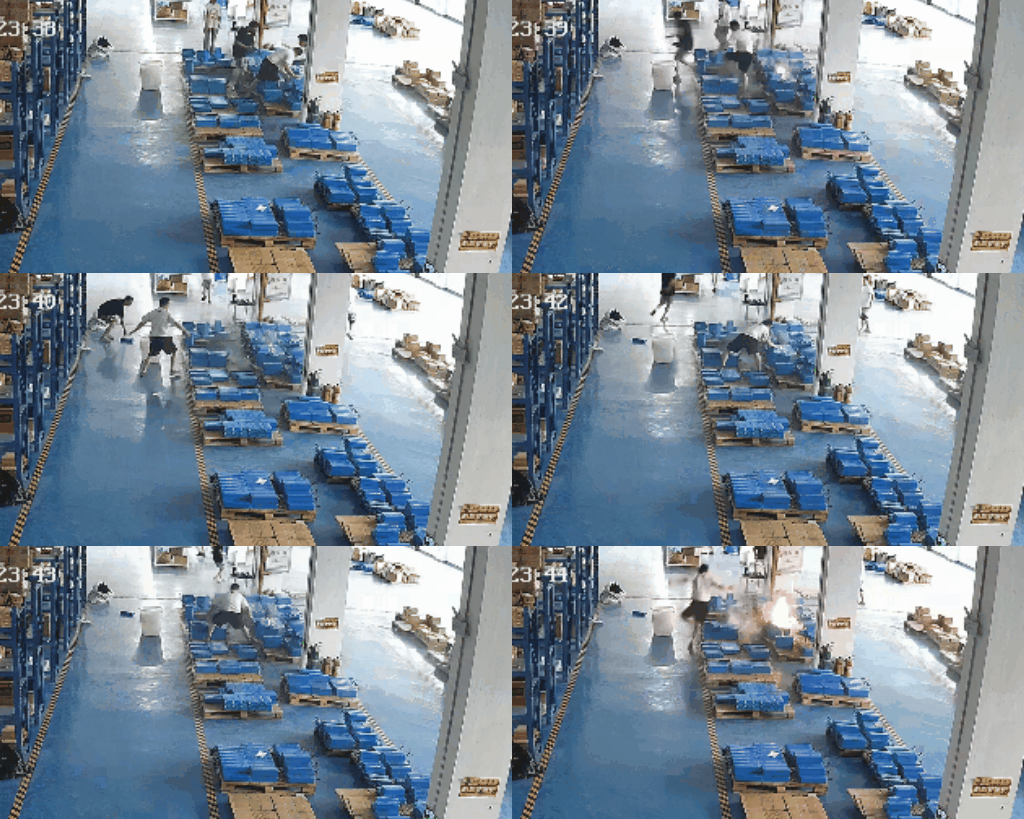
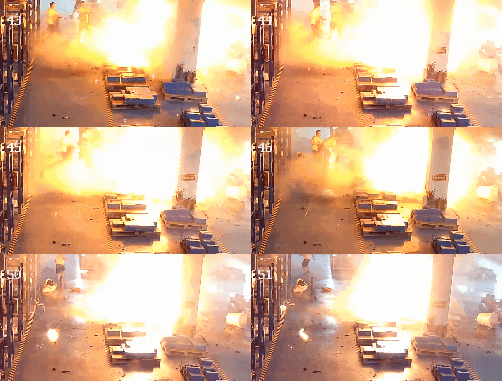
In November 2024, a fire broke out at a lithium battery factory in an industrial park in Xingtan, Shunde District, Foshan, Guangdong. White smoke rose from a stack of batteries in the factory warehouse, and only about 90 seconds later there was an explosion. "As soon as we saw the smoke we came over to deal with it, but it was already too late!" Several workers immediately picked up buckets and extinguishers, but to little effect. Because of the chemical instability of lithium batteries, the fire quickly caused more battery stacks around it to deflagrate. Explosions kept sounding from the fire area, and within 3 minutes the inside of the factory was full of thick smoke.
The "high hazard" of lithium batteries
In recent years the global energy transition has driven explosive growth in the lithium battery industry, but the fire risk follows it like a shadow. The fires above all reveal a stark reality: once lithium batteries catch fire in storage, the fire can very easily become catastrophic. Deflagration caused by thermal runaway instantly exceeds 1,000 °C, the flames spread rapidly, and conventional firefighting is often helpless. The result is not only huge property losses but a serious threat to life.
Why does lithium battery storage so easily become a "powder keg"? The high fire risk comes from the batteries' own properties combined with the effect of storing them together:
High energy density, high risk of thermal runaway: batteries are densely stacked in warehouses, with an energy density far above safe thresholds. The traction battery packs on a single standard rack hold energy equivalent to several hundred litres of petrol. Internal short circuits, mechanical damage, overcharge or over-discharge and high temperatures can all trigger thermal runaway in a cell, releasing large amounts of flammable gas and heat. Thermal runaway can be triggered within milliseconds, with flames jetting at 5–8 m/s, far faster than ordinary combustibles.
A pronounced "domino" effect: with multi-tier racking, flames easily spread upwards and outwards through thermal radiation and ejected material, forming a three-dimensional fire. The heat released by one battery in thermal runaway is enough to ignite its neighbours, and the fire races through densely stacked batteries and is hard to contain.
Exceptionally difficult to extinguish: lithium battery fires burn deep-seated and re-ignite easily. Using large amounts of water for cooling may cause violent chemical reactions or electric shock risks, conventional extinguishing agents have limited effect, and fires take much longer to put out than ordinary fires.
Greater risk of structural collapse: high temperatures cause the strength of warehouse racking to fall sharply — ordinary steel loses more than 50 % of its strength at 600 °C. A collapse not only blocks escape routes but also buries batteries, turning them into "burning bombs". This makes rescue far more difficult, obstructs access for rescuers and widens the scale of the disaster.
A way forward: DSP fire protection materials
In the course of energy storage testing, particularly fire testing, Huahui Fire has seen new materials emerge that target the pain points of fire protection in lithium battery storage, and has taken part in verifying their performance.
We recommend a fire protection and insulation system based on porous bubble silicon crystal technology. This composite protection system, consisting of DSP fire-resistant insulation board and DSP fire-resistant insulating coating, uses material innovation to go well beyond conventional fire protection technology, giving warehouse structures and storage racking a "nano armour" that is inherently safe.
DSP fire-resistant insulation board is a high-quality, high-efficiency insulation material combining a closed microporous structure with a fibrous network. Its nanoscale pore structure effectively blocks heat conduction and flame spread. Even when exposed to high temperatures (above 1,000 °C) such as those of a lithium battery deflagration, its distinctive structure provides strong insulation, keeping the temperature of the unexposed face stable and under control.
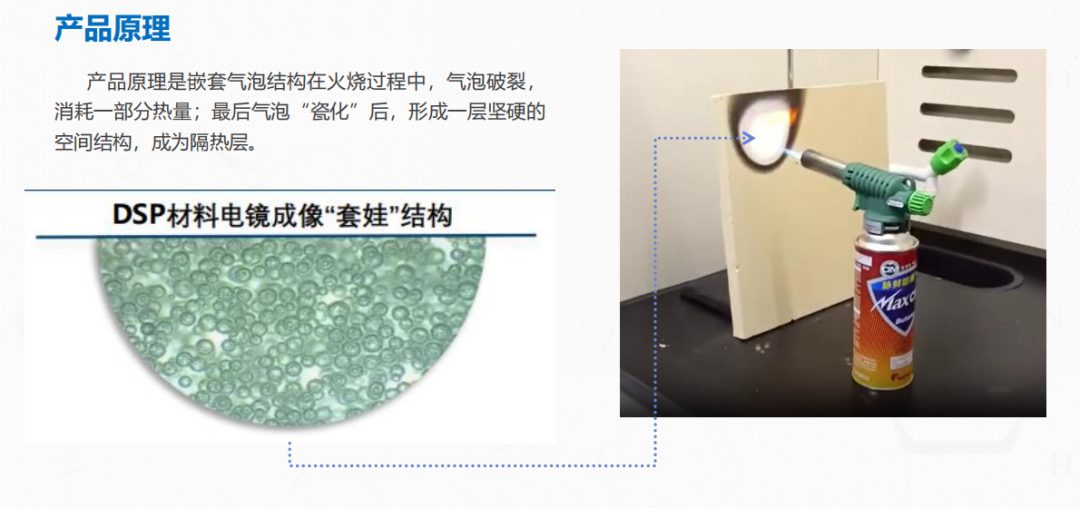
DSP fire-resistant insulating coating is a new high-temperature insulating nanomaterial. Its hybrid film formers are polysiloxane and inorganic silicone resin, and it is made from nano inorganic silicon, nano micro-powders and plastic materials by a dry/wet composite foaming process. It uses proprietary DSP (porous bubble silicon crystal) technology and has excellent heat resistance and fire-resistant insulation performance. After high-temperature curing it becomes an organic/inorganic hybrid composite film. At high temperature it transforms into a ceramic-like structure of Si–O–Si bonds; because the silicon–oxygen bond energy is high (460 kJ/mol) and thermally stable, this greatly improves the coating's temperature resistance and resistance to ageing. It can form an ultra-high-temperature-resistant structural film on metal substrates. At high and ultra-high temperatures (500 °C to 1,500 °C) it also forms a nanostructured porous structure, giving highly efficient heat exchange between the substrate surface and the oxygen and other gases in the air and so achieving excellent insulation.
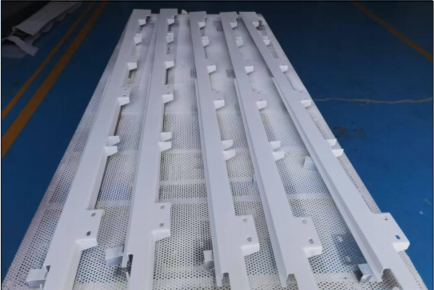
Flexible, adaptable solutions
The system adapts particularly well to different settings, offering modular, customisable protection strategies to suit the characteristics of each.
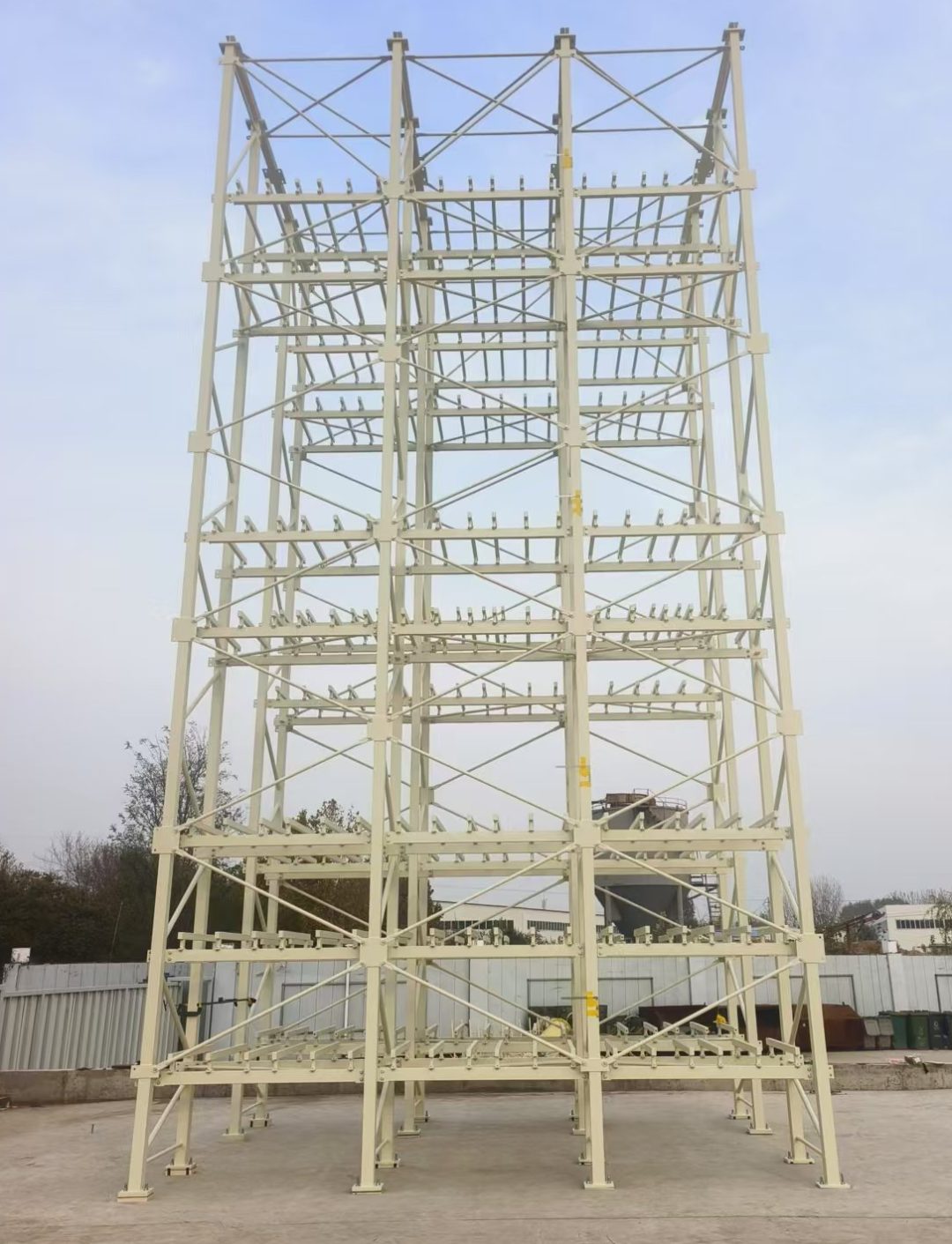
For large lithium battery factory warehouses and central storage facilities, a combined "board + coating" approach can be used. For example, DSP fire-resistant coating can be sprayed on roof trusses, steel columns and walls as a first thermal barrier, and DSP fire-resistant board used to build physical fire walls with a fire resistance of ≥ 4 hours to strictly separate storage units. For racking, uprights and beams can be wrapped in DSP board or sprayed with DSP coating, and DSP fire-resistant trays fitted under each tier to stop flames spreading upwards and molten material dripping down. Racking on both sides of key aisles can be reinforced to keep emergency routes structurally stable. This combination slows the spread of fire and keeps racking structurally intact in deflagration tests, buying valuable time for firefighting and rescue.
For small and medium-sized warehouses, electric vehicle repair shops, battery recycling points and similar settings, a lightweight approach can be used. The core of it is DSP fire-resistant coating sprayed directly onto the surfaces of existing racking, or modular DSP boards fitted in place. Key areas, such as temporary storage for used batteries and the walls of charging areas, are given extra thickness, and local barriers can be added around them with DSP board fitted in.
For other special settings, such as outdoor containerised energy storage, temporary storage and automated high-bay warehouses, a combined treatment can be tailored to the building design, stacking density and compartmentation requirements. Installation is quick and costs are controllable, which makes it especially suitable for retrofit projects.
The value of the DSP solution
The very high insulation performance of DSP materials forms an effective barrier the moment the first battery goes into thermal runaway, significantly delaying or even preventing heat transfer to neighbouring batteries and so fundamentally containing the propagation of thermal runaway. The material also extends several-fold the time for which the unexposed face stays within a safe temperature range, buying invaluable time for evacuation, initial firefighting and fire brigade response, and, together with fire protection systems, it can keep a fire within a limited area.
The DSP protective layer greatly slows the loss of strength of steel members in a fire. Racking steel beams treated with DSP coating are effectively prevented from collapsing at 1,000 °C, confining the fire to a very small area and avoiding the catastrophic loss of the entire warehouse.
Lithium batteries are the "energy heart" of the green revolution, but if their vast stored energy is released uncontrollably, the consequences can be disastrous. Conventional firefighting, which reacts after the event, often falls short against the extreme challenge of lithium battery storage fires. With new national standards such as Safety requirements for power batteries for electric vehicles coming into force, lithium battery storage safety has entered an era of "hard constraints". The DSP fire protection solution is not only a technical breakthrough but also key to upgrading safety across the industry. From factory storerooms to temporary warehouses, from electric vehicle repair shops to recycling centres, DSP materials can lay a solid foundation for safe lithium battery storage.
If you would like to know more about this solution, or have better materials to share, contact us: +86 21 6991 3579, [email protected], or send a test request on this website.

First published on our WeChat channel: read the original