

In the safety certification of electrical and electronic products, preventing fire in both normal and abnormal use is always the central concern. This is especially true of high-power luminaires with hot surfaces. Mounted directly on combustible finishes or combustible building elements, they build up a great deal of heat in continuous operation and their surface temperature rises sharply. The surrounding building materials can then ignite easily, causing a serious fire and a grave threat to life and property. The fire safety requirements for luminaires in buildings therefore hold a vital place in the overall product safety system.
Europe and North America have strict requirements for the fire resistance of recessed luminaires installed in ceilings and timber construction, and these luminaires must pass tests to the relevant regional or national standards. The common fire standards and requirements differ between North America and Europe.
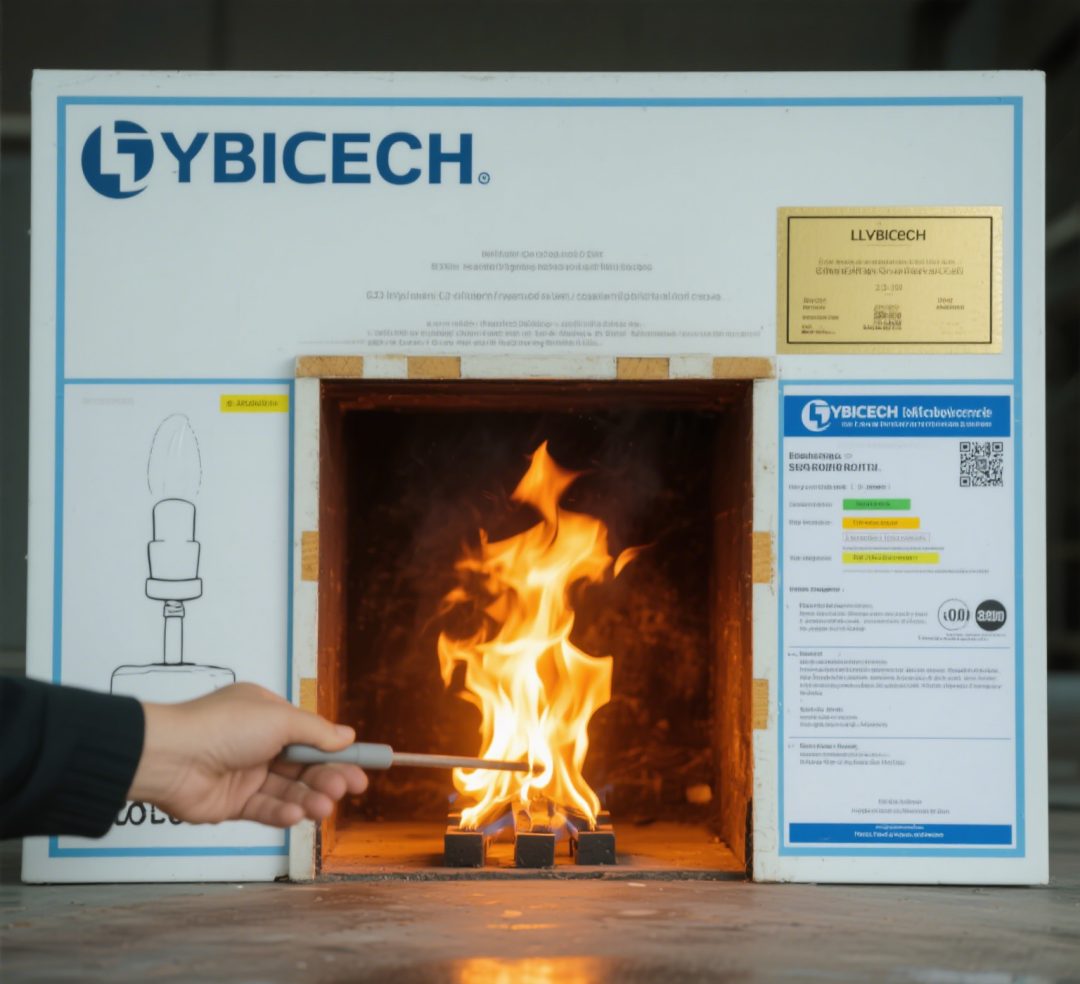
North American fire test standards
UL 263 Standard for Fire Tests of Building Construction and Materials: this standard tests and assesses the fire performance of all kinds of building construction and materials. A recessed luminaire included in the test must be tested following its procedures and parameters, to confirm that the luminaire is safe in a simulated fire.
ASTM E119 Standard for Fire Tests of Building Construction and Materials: this standard tests building materials and construction comprehensively for fire, from several angles including burning behaviour and rate of fire spread. Recessed luminaires must meet its criteria to show that they perform well in fire.
NFPA 251 Standard Methods of Tests of Fire Endurance of Building Construction and Materials: this standard focuses on the endurance of building construction and materials in fire. The recessed luminaire is installed in a simulated building assembly and exposed to high temperature and flame; passing this test means the luminaire remains stable for a certain time in a fire and does not become a cause of fire spread.
CAN/ULC-S101-M89 Standard Methods of Fire Endurance Tests of Building Construction and Materials: this standard sets out detailed requirements for fire endurance tests of building construction and materials. Recessed luminaires must meet them to ensure reliability in a fire and reduce the harm it causes.
European fire test standards
EN 1364 Fire Resistance Tests for Non-Loadbearing Elements: this standard deals specifically with the fire resistance of non-loadbearing elements. When a recessed luminaire is installed in a simulated non-loadbearing building element (such as a ceiling), it must be tested to this standard to confirm its fire safety within the non-loadbearing construction.
BS 476-21 Fire tests on building materials and structures – Part 21: Methods for determination of the fire resistance of loadbearing elements of construction: this standard determines the fire resistance of loadbearing building elements. When a recessed luminaire is installed in or near loadbearing construction, it must be tested to this standard to assess the luminaire's effect on the fire resistance of that construction.
As this shows, recessed luminaires are fire tested to fire standards for buildings or building materials. For the test, the client must therefore supply simulated building ceilings or walls in all the materials the luminaire might ultimately be installed in, with the product installed, to be tested together. These tests mainly assess the fire resistance of loadbearing building materials at high temperature, determining the loadbearing capacity, integrity and insulation of specimens such as beams, floor materials, ceiling materials and walls for a specified time under high temperature and pressure.
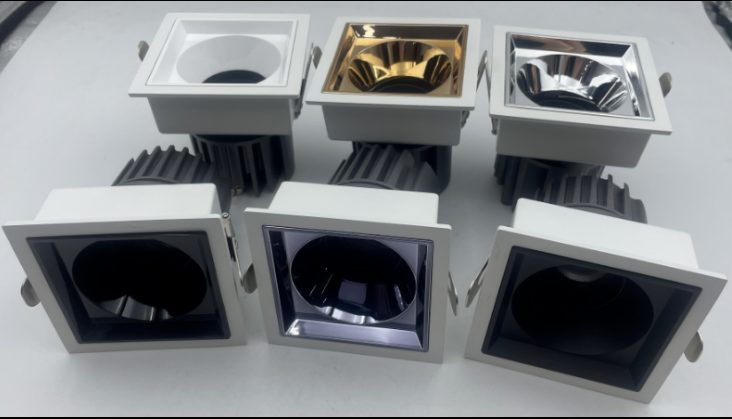
Fire resistance test conditions
Fire resistance: one of the key measures of a luminaire's fire performance. It is the time, under specified test conditions, from the start of fire exposure until the luminaire loses loadbearing capacity, loses integrity or ceases to act as a fire barrier. Different types of recessed luminaire have different fire resistance requirements depending on how and where they are used.
Insulation: an important aspect of a luminaire's fire performance, it determines directly whether the surrounding building materials will be ignited by the luminaire's hot surface.
Integrity: the luminaire must keep its structure intact under fire exposure, without cracks, holes or other defects. If a luminaire loses integrity in a fire, flame and heat may reach the surrounding building materials directly and speed up the spread of fire.
Insulation and integrity in relation to loadbearing capacity: insulation and integrity are closely linked to loadbearing capacity. A luminaire with good insulation effectively stops heat passing to the surrounding building materials, reducing the risk of fire; integrity ensures that the luminaire does not crack or fall out during a fire, avoiding damage to the building structure that would affect its loadbearing capacity.
Resistance to high-pressure fire hose stream: at a fire scene, fire hose streams may strike the luminaire, so a high-pressure hose stream test is also an important part of assessing its fire performance. The test simulates a high-pressure hose stream striking the luminaire and checks whether the impact damages it in a way that affects its fire performance. The luminaire needs enough strength and stability to withstand the hose stream and remain safe during firefighting.
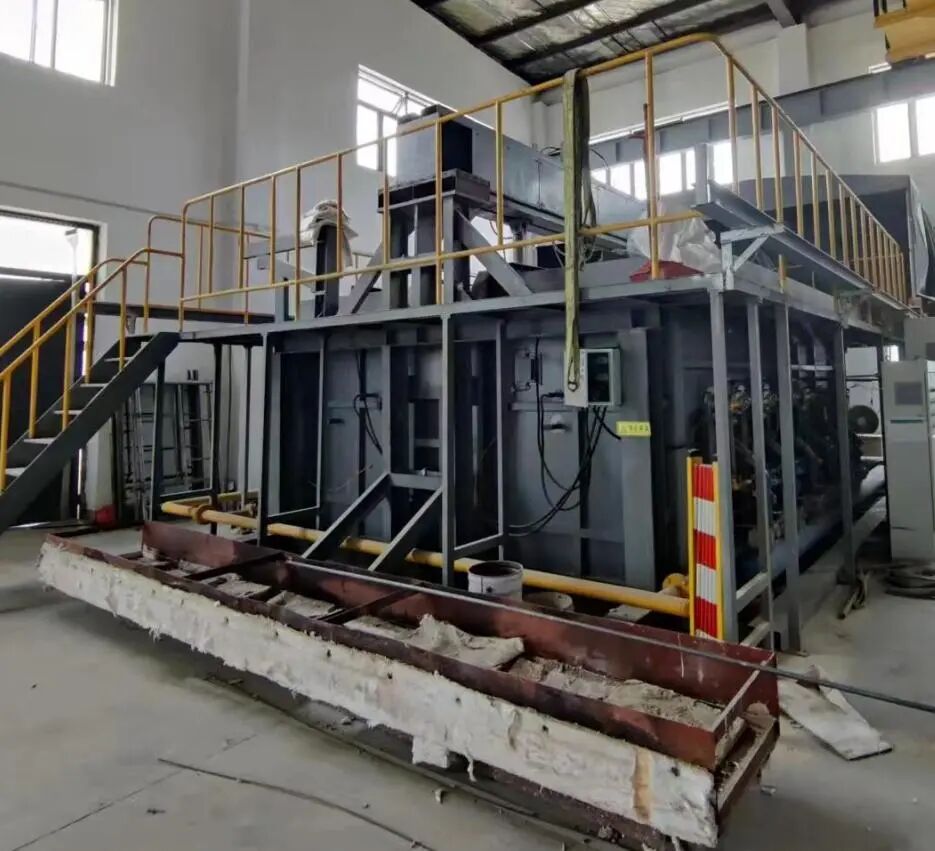
Fire resistance test durations
Fire resistance tests are usually run for one of several durations: 30, 60, 90 or 120 minutes. Each duration corresponds to a different fire rating; the longer the test, the better the luminaire performs in fire and the wider the range of applications it suits. For example, important commercial buildings or public facilities may require recessed luminaires to pass a 90-minute or even 120-minute fire resistance test, so that in a fire the luminaire remains stable for a long time, giving enough time for evacuation and firefighting.
First published on our WeChat channel: read the original