

In a building fire, the speed at which fire and smoke spread directly threatens lives and property. Statistics suggest that around 30% of fire casualties result from the spread of smoke and the failure of fire separations.
Fire-stopping materials are a key part of a building's fire protection, and their fire resistance directly determines whether fire and smoke are held back in a fire. In recent years, revision of the national standard GB 23864 (the 2023 edition replacing the 2009 edition) has tightened the technical requirements for these materials, raising the bar in particular for fire resistance, reaction to fire and environmental durability.
What are fire-stopping materials?
Fire-stopping materials are functional materials designed specifically to seal penetrations, gaps and pipe junctions in buildings. Their core function is to stop the spread of flames, hot gases and toxic smoke and to maintain the integrity of the building's fire compartments.
According to GB/T 23864-2023 (China's standard for fire-stopping materials), fire-stopping materials are functional materials used to seal openings in buildings and stop the spread of flame and smoke. Their key performance is quantified by the "fire resistance limit" (in hours): the time for which they maintain integrity and insulation in a standard fire resistance test.
Types of fire-stopping material
By use, fire-stopping materials fall into three main groups: materials for penetrations, materials for gaps, and materials for plastic pipes.

Fire-stopping materials for penetrations seal and close openings that pass through a structure, so that the structure as a whole keeps its fire resistance.

Fire-stopping materials for gaps seal and close gaps between fire-separating elements, or between a fire-separating element and another element (such as expansion joints, settlement joints, seismic joints and construction gaps), so that the structure as a whole keeps its fire resistance.

Fire-stopping materials for plastic pipes are the materials and products used where plastic pipes pass through openings in walls or floors, so that the structure as a whole keeps its fire resistance.
Gaps in buildings are usually sealed with liquid or paste materials such as foam fire-stopping materials, gap fire-stopping materials and fire-resistant sealants, which are highly plastic and have good elasticity. Fine cracks of 5 mm or less (such as curtain wall joints and gaps around branch pipes), for example, are usually sealed with elastic sealants.
Larger building gaps are often filled with mineral wool to provide additional fire resistance. Where a gap is wider than 5 mm (as in service shafts on plant floors), for example, a mineral wool backing plus a sealing layer is needed: first 50–100 mm of rock wool (density ≥ 80 kg/m³, rated to 1000 °C) is packed in as a framework, then its surface is covered with intumescent fire putty (which expands 3–5 times in a fire).
For penetrations, the material is usually chosen according to the size of the opening.
Smaller openings are usually sealed with organic fire putty and fire-resistant sealants, which are easy to fill, have good elasticity and suit small seals. Cable trays and socket and switch openings, for example, are best sealed with organic putties (such as PVC-based fire putty with a penetration of ≥ 200, in units of 0.1 mm), whose flowing paste can fill complex voids.
For larger openings, fire-stopping boards, fire-stop pillows and fire-stop blocks are a good fit; penetrations for ductwork and cable trays usually combine prefabricated components with fill materials. These materials effectively stop fire spreading.
Fire-stopping materials are vital in modern buildings and infrastructure. They keep a building safe when fire breaks out and effectively stop fire spreading. In testing and assessing these materials, fire resistance is a key measure.
Below we look in depth at why the fire resistance of fire-stopping materials matters so much, and how this key property is tested and assessed.
Why fire resistance matters
Fire resistance is a material's ability to keep its integrity and function in a high-temperature fire. It is a key criterion in assessing fire-stopping materials, because in a fire the material has to withstand high temperatures and flames and keep protecting for a period of time.
Fire resistance is the core measure of how well a fire-stopping material does its job. A material with insufficient fire resistance may crack or fall away at high temperature, letting fire spread through the opening. Testing fire resistance is therefore vital to the overall fire safety of a building.
How fire resistance is tested
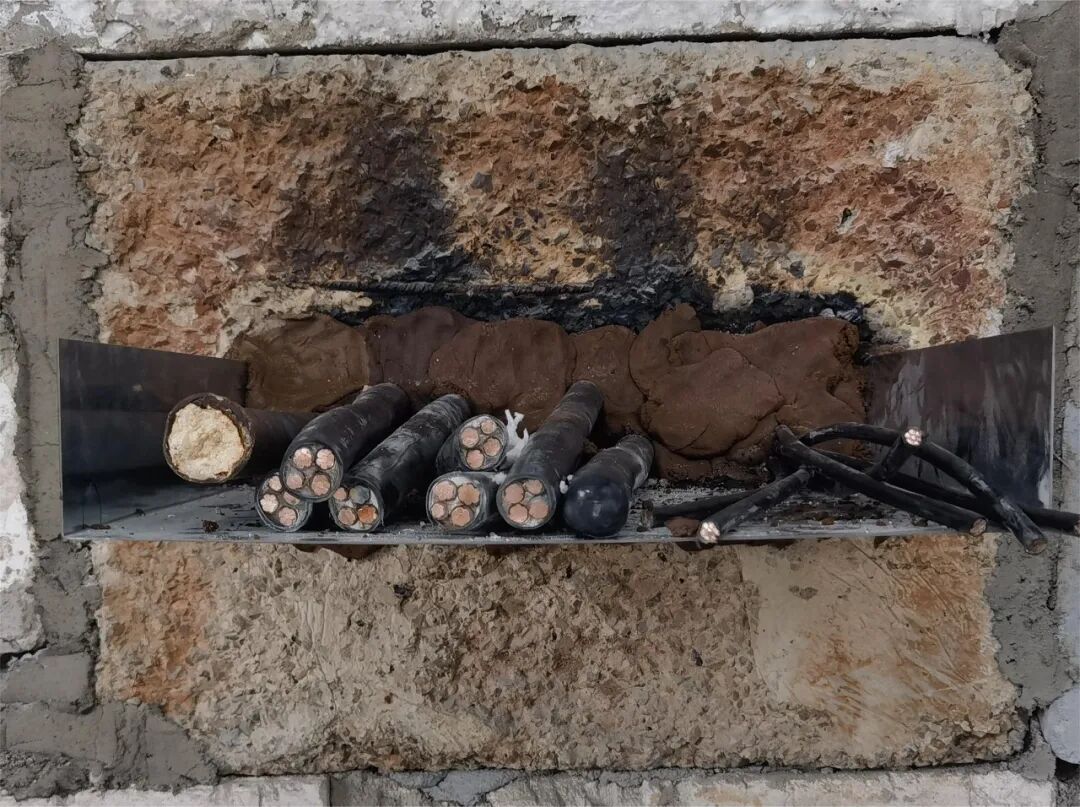
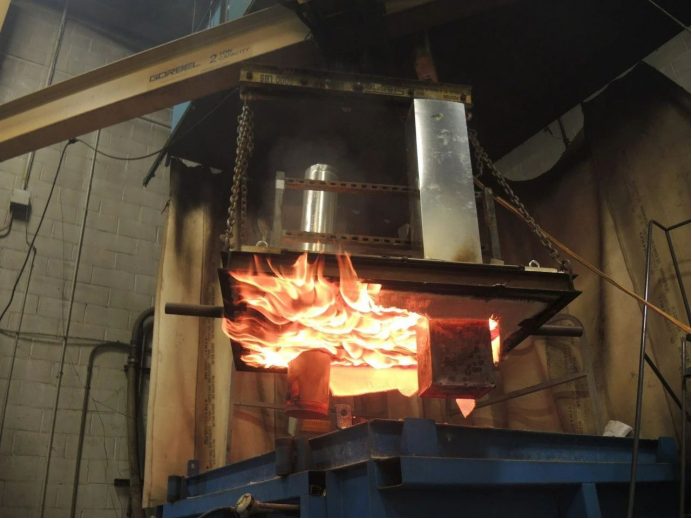
Fire resistance tests are usually carried out in a laboratory, simulating real fire conditions. The most common method uses a fire resistance furnace, controlling temperature and time to assess the material's performance. During the test the material is exposed to high temperature and the test staff observe how it behaves over a given time.
GB 23864-2023 (fire-stopping materials), in force since 1 July 2024, requires:
Fire resistance of fire-stopping materials is graded with the classification codes shown in Table 4, according to the fire exposure conditions. By integrity time (E), there are three levels: 1 h, 2 h and 3 h; by time meeting both integrity and insulation (EI), there are likewise three levels: 1 h, 2 h and 3 h.
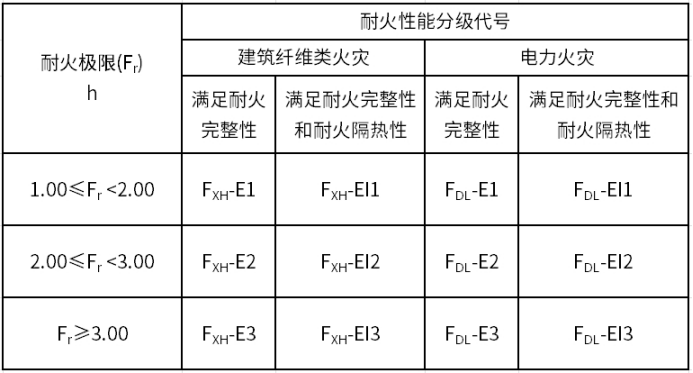
The fire resistance test procedure
1. Test equipment
The main equipment is a fire resistance furnace, which must meet the requirements for specimen installation, heating conditions, pressure conditions, temperature measurement and observation during the test.
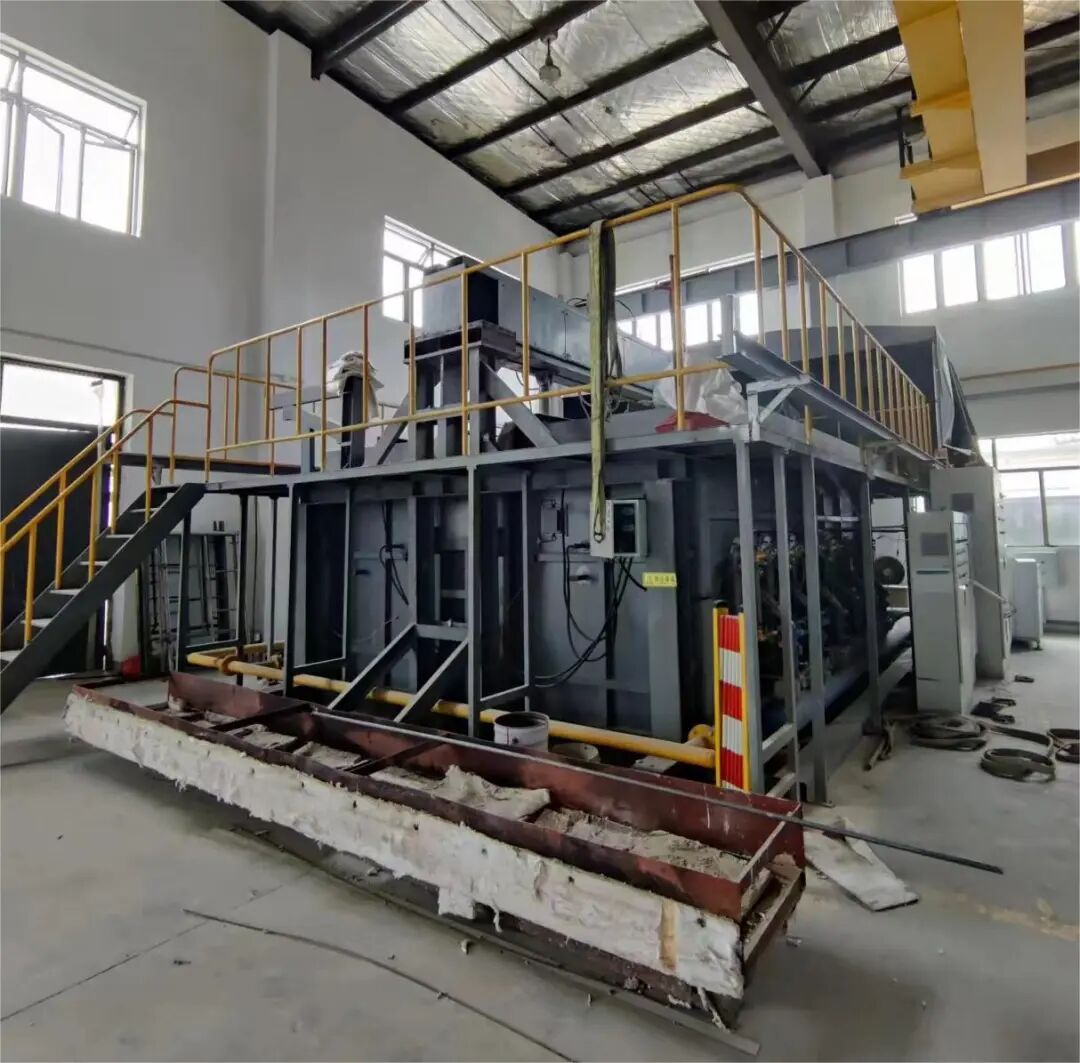
2. Furnace conditions
Heating conditions:
Where the cellulosic building fire heating curve is used, the furnace temperature shall comply with GB/T 9978.1.
Where the electrical fire heating curve is used, the furnace temperature shall comply with clause 5.1.1 of XF/T 714-2007.
Furnace pressure:
Where the cellulosic building fire heating curve is used, the furnace pressure shall comply with GB/T 9978.1.
Where the electrical fire heating curve is used, the furnace pressure, measured at the horizontal plane at the top of a vertical specimen (vertical elements) or at a horizontal plane 100 mm below the underside of the specimen (horizontal elements), shall be 20 Pa ± 5 Pa 5 min after the start of the test and 22 Pa ± 3 Pa after 10 min.
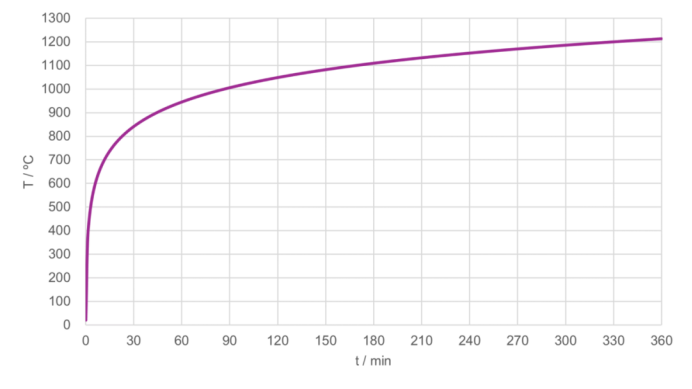
Standard time–temperature curve for cellulosic building fires
3. Specimen preparation
Fire-stopping materials vary in use, composition and form, so specimens should be prepared to reflect how the product is actually used, and must include every part that may be involved in a real installation.
For example, the standard specimen for a penetration fire-stopping material should include a concrete frame, the penetrating services, supports and the fire-stopping material. The standard specimen for a gap fire-stopping material should include a concrete frame, fixing supports and the fire-stopping material filling the structural gap. Likewise, the standard specimen for a plastic pipe fire-stopping material needs a concrete frame, plastic pipe, supports and the associated fire-stopping material.
Specimens must therefore reflect the real application as closely as possible. In this way we can test and assess the performance of fire-stopping materials in different settings more accurately, and make sure they effectively stop fire spreading and growing in real use.
Note: for detailed specimen preparation requirements, see clause 6.5.4 (Specimen preparation) of GB 23864-2023.
4. Test procedure
Specimen installation: the specimen should reflect actual use and is mounted vertically or horizontally on the furnace as the test requires. Thermocouples are fixed to the fire-stopping material, penetrating services and frame on the unexposed side to measure the temperature rise there. The cantilevered end of each penetrating service must be properly supported (on a bracket).
Thermocouples for measuring furnace temperature shall comply with GB/T 9978.1; there shall be at least 5 of them, and temperatures shall be recorded at intervals of no more than 30 s.
Measure and observe the temperature of the fire-stopping material surface on the unexposed side, and the surface temperatures of cables, pipes and the frame 25 mm from the unexposed face of the fire-stopping material.
Integrity: measure and observe whether flames or hot gases pass through the unexposed side of the specimen and ignite the cotton pad, and whether sustained flaming lasting more than 10 s appears on the unexposed side. The cotton pad and its use shall comply with GB/T 9978.1.
Insulation: measure and record the temperature rise at all measuring points on the unexposed side, including the roving thermocouple, and the time at which the rise at any point exceeds 180 °C.
5. Determining the fire resistance limit
Loss of integrity is indicated by:
a) ignition of the cotton pad;
b) flaming that lasts more than 10 s;
c) penetration of the gap gauge.
Loss of insulation is indicated by:
a) a temperature rise of more than 180 °C above the initial temperature at any point on the unexposed face of the specimen;
b) a temperature rise of more than 180 °C above the initial temperature on the surface of any penetrating service 25 mm from the fire-stopping material on the unexposed side;
c) a temperature rise of more than 180 °C above the initial temperature at any point on the frame surface on the unexposed side.
Note: the initial temperature is the average initial temperature of the unexposed side at the start of the test.
If either loss of integrity or loss of insulation occurs during the test, the integrity or insulation of the fire-stopping material has reached its limit state, and the time recorded is the fire resistance limit of that material for loss of integrity or loss of insulation. With these criteria, test staff can assess how fire-stopping materials actually perform in a fire and determine whether they meet building and safety standards.
Fire resistance in practice: building safety

The fire resistance of fire-stopping materials is a key measure of building safety. Through rigorous testing and assessment, architects and engineers can make sure these materials do their job in a fire: stopping fire spreading, protecting the building structure and buying time for people to escape.
The fire resistance of fire-stopping materials bears directly on how effective a building's fire protection is. With GB 23864-2023 in force, the industry has seen upgrades in material classification, test methods and environmental requirements. In future, as electrical fire scenarios become more common and public safety expectations rise, more refined fire resistance testing (such as hose stream tests and smoke toxicity assessment) will become a focus of technical development. Companies need to keep up with revisions to the standards and improve their materials through technical innovation, building a solid "firewall" for building safety.
Rigorous testing, and attention to why fire resistance matters, will help create safer buildings and reduce the losses and harm caused by fire.

First published on our WeChat channel: read the original