
Published in 2020. Standards and rules cited may have been revised since; the current editions apply.
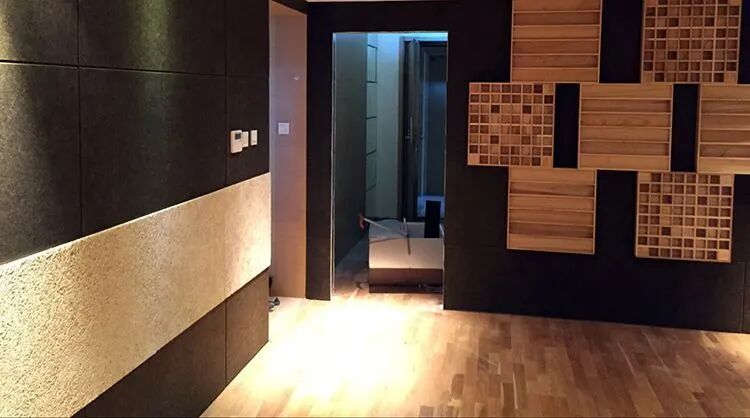
With rapid economic and social development and rising living standards, people increasingly decorate and fit out the homes, offices and leisure venues where they live and work, for the sake of appearance and comfort. What is overlooked is the extra fire load this brings, and in recent years fires starting in flammable and combustible finishing materials have repeatedly caused multiple deaths and injuries. Public buildings, filled with large quantities of combustible and flammable finishes among other factors, see frequent fires with growing economic losses and casualties. To keep public buildings safe from fire, the conflict between decorative effect and safety in use has to be properly resolved: by actively choosing non-combustible or flame-retardant finishing materials, or materials that have been treated with flame retardants to meet the relevant reaction-to-fire requirements. Below we look at flame-retardant treatment of finishing materials.
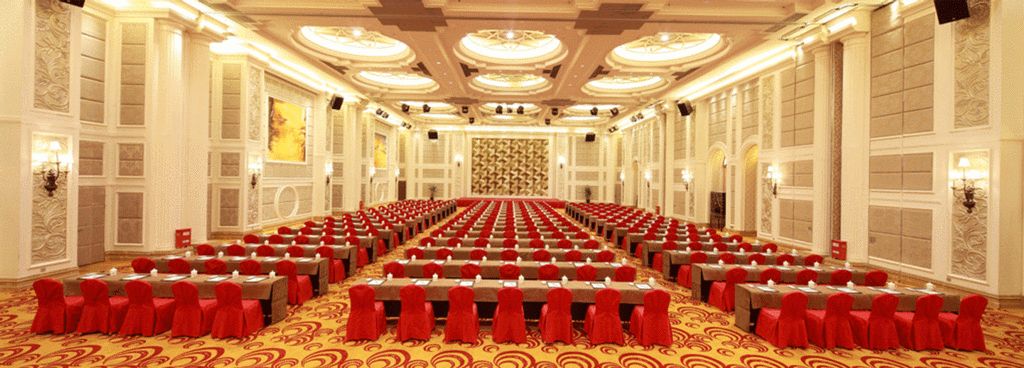
Inspections on the ground have found that many entertainment venues, in pursuit of an upmarket image and decorative effect, use finishing materials to a greater or lesser extent, and most of these materials are flammable or combustible. Once ignited, they release harmful gases that are very dangerous to people. Different interior finishes produce different amounts and types of smoke and toxic gas when they burn. Carbon monoxide (CO), for example, is colourless, odourless and non-irritating, yet inhaling it causes acute poisoning and chronic harm. Mild poisoning shows as headache, dizziness, tinnitus and blurred vision, with nausea, vomiting, palpitations and weakness in the limbs. Moderate poisoning starts with heavy sweating, agitation, unsteady gait, cherry-red skin and mucous membranes and confusion, and can progress to coma. Severe poisoning is generally accompanied by serious complications such as damage to the heart muscle, pneumonia, pulmonary oedema and fluid and electrolyte imbalance, and can sometimes cause death quickly. Understanding the properties of these flammable and combustible finishing materials is therefore an important step in targeted fire safety campaigns, and lays a firm foundation for future fire prevention work and the measures to be drawn up. Interior finishes in civil buildings are essentially found on ceilings, walls, floors, partitions, fixed furniture and decorative textiles. Finishing materials commonly found on the market include laminated decorative board, plywood, wood-wool board, composite board, polystyrene, polyethylene, polypropylene, acrylic (PMMA) sheet, nylon, phenolic resin, PVC, fibreboard, polyurethane foam, rock wool and slag wool board, glass wool board, decorative gypsum board, calcium silicate board, expanded perlite board, paper-faced gypsum board, flame-retardant particleboard and fire-resistant glass.
In recent years, with China's reform and opening up and continued economic development, living standards and the level of urban construction have risen steadily and the domestic construction market has opened further. Large public buildings of all kinds keep appearing, and the relevant fire codes have been issued one after another and continually improved. However, the public generally lacks a proper understanding of the fire codes for building design, in particular GB 50222-95 (China's code for fire protection in the design of building interior finishes), and has too little awareness of fire-protective materials and what they do. As a result, large amounts of combustible and flammable materials are still used in interior fit-out, especially in concealed parts of a project, which makes fire safety supervision harder. And, as we have discussed, as buildings grow larger and contain more combustible material, any source of ignition can quickly set combustible materials alight; the fire then spreads and grows into a major fire. This is why casualties and economic losses from fires in public buildings have risen sharply.
The supervising authorities should step up inspection and genuinely fulfil their management role. In design review and acceptance of projects, the relevant regulations and technical codes should be strictly enforced, nipping problems in the bud and keeping fire hazards to a minimum. The aim should be for every project to actually deliver its best performance, not merely to get through acceptance. We believe that as fire regulations are fully enforced and fire safety awareness keeps growing, fires in public buildings will gradually decline. Through the efforts of all parties, the overall level of fire protection in China will be raised, the safety of people's lives and of public property ensured, and fire losses kept to a minimum.
First published on our WeChat channel: read the original