
Published in 2020. Standards and rules cited may have been revised since; the current editions apply.
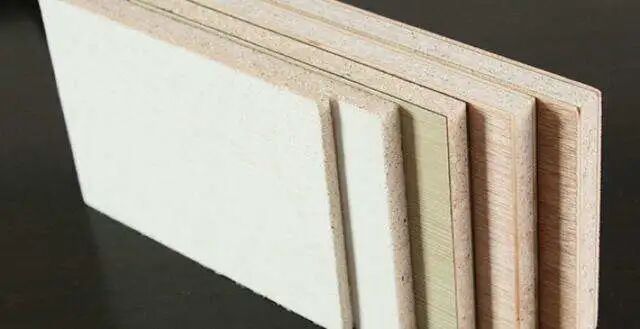
The name "fireproof board" suggests a board that can resist fire. A more accurate description is "high-pressure laminate of paper impregnated with thermosetting resin": it is a decorative surface material. In home fit-outs it is used widely, for example on furniture surfaces, many worktops, kitchen cabinets and interior finishes. Compared with traditional boards it is very hard, and it resists wear and high temperatures well.
There are countless brands of fireproof board on the market, so what makes a good one? The quality of the board has some effect on the fire performance of the furniture it is bonded to, and it bears on safety in the home in an emergency.
Fireproof board, also called fire-resistant board, is technically known as thermosetting resin-impregnated paper high-pressure laminate, abbreviated HPL. It is a fire-resistant building material for surface decoration, made from base paper (titanium dioxide paper and kraft paper) impregnated with melamine and phenolic resins, then pressed at high temperature and pressure. It offers a rich range of surface colours and textures and special physical properties, and is widely used for interior finishes, furniture, kitchen cabinets, laboratory worktops, external walls and more. Its fire resistance, heat resistance and wear resistance have made it increasingly popular with consumers. As more products reach the market, however, shoddy and substandard boards passed off as good ones are common. When choosing a fireproof board, check whether it carries a trademark, an industry test report and a factory certificate of conformity; if it does not, we suggest not buying it. Read the test report carefully to see whether each performance property passes, paying particular attention to the reaction-to-fire class in the report: the higher the class, the better the product's fire performance.
Because fireproof board is pressed at high temperature and pressure over a long period, insufficient temperature, pressure or pressing time during production can easily cause blisters on the surface. When inspecting a board, check the whole surface for blisters, run your hand over it to feel for unevenness, and check that the colour and texture are consistent across the whole board, with no colour variation or defects. A good fireproof board has a clear, crisp pattern, no colour variation, and a flat, smooth, wear-resistant surface. Boards are generally 0.5–1.6 mm thick; for ordinary surfacing, 1 mm is sufficient. A quality board meets the specified thickness and is uniformly thick, so when buying it is worth measuring whether the thickness is even.
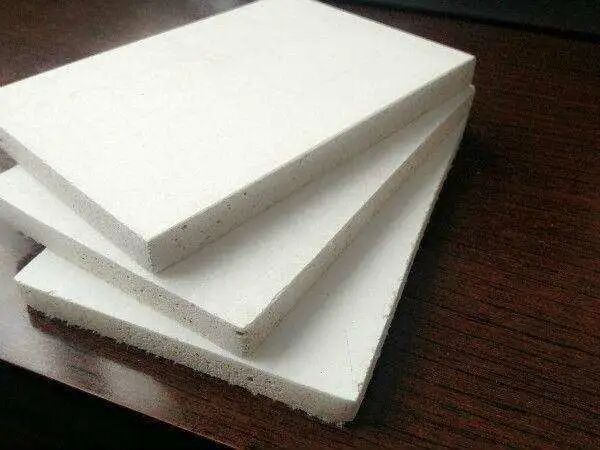
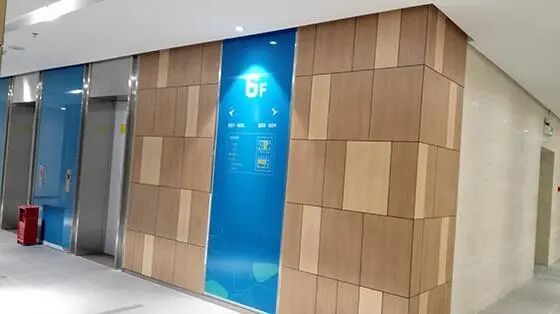
Because fireproof board is used so widely in everyday life and in buildings, our quality requirements for it are naturally much stricter, and choosing a compliant product is what we should do. When choosing a fireproof board, check whether it carries a trademark, an industry test report and a factory certificate of conformity. Read the test report carefully to see whether each performance property passes, paying particular attention to the reaction-to-fire class: the higher the class, the better the fire performance. Boards that reach class A generally have the best reaction-to-fire performance. Fire performance is the most important property of a fireproof board, and professional fireproof boards generally come with a product test report and a report on their reaction-to-fire class. When choosing, check whether the board has an industry test report, a trademark, a factory certificate of conformity and a stated reaction-to-fire class. If it has none of these certificates, if you cannot see the relevant data, or if its class is low, be cautious about buying it.
Reaction-to-fire testing of fireproof board is also simply called fire testing. Before materials arrive on site, manufacturers or construction companies should have them tested by a qualified testing company. Huahui Fire is a laboratory dedicated to fire testing. Reaction-to-fire testing of fireproof board should generally include the single burning item test and the combustibility or non-combustibility test, with the class determined against the requirements of GB8624 (China's reaction-to-fire classification standard for building materials and products). Only boards that meet or reach the required class should be used in practice.
First published on our WeChat channel: read the original