
Published in 2020. Standards and rules cited may have been revised since; the current editions apply.
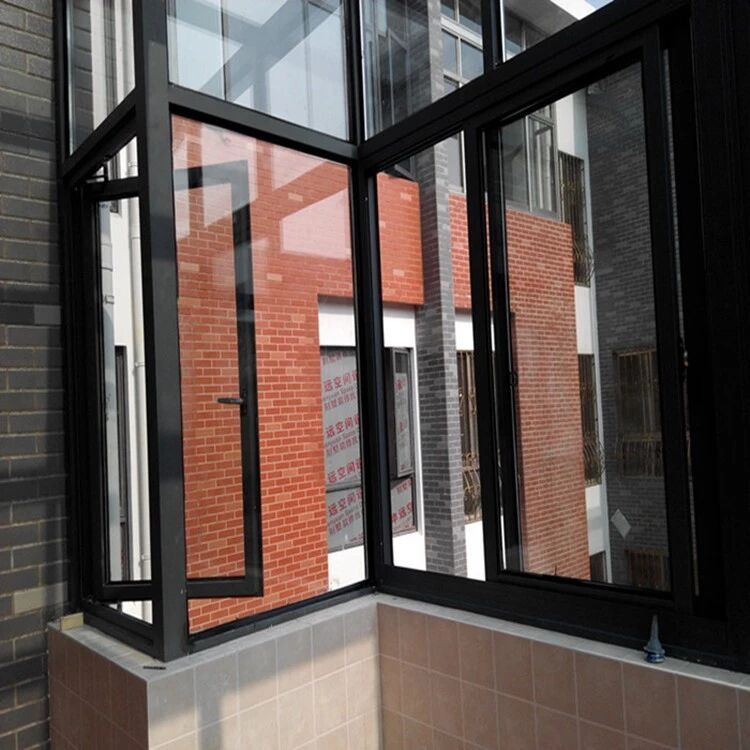
Modern interior fit-out is expected to be not only attractive and practical but also safe for the people inside. Today's buildings are often large and tall and hold ever more occupants, so the losses from a fire can be almost incalculable. For this reason fire-rated materials are widely used in fit-out to cut off the paths by which fire spreads, greatly reducing fire losses and injuries. Windows with fire-resisting performance are naturally one of the key fire protection elements. But are a "fire-resistant window" and a "fire window", as people commonly call them, the same thing? Let us take a look.
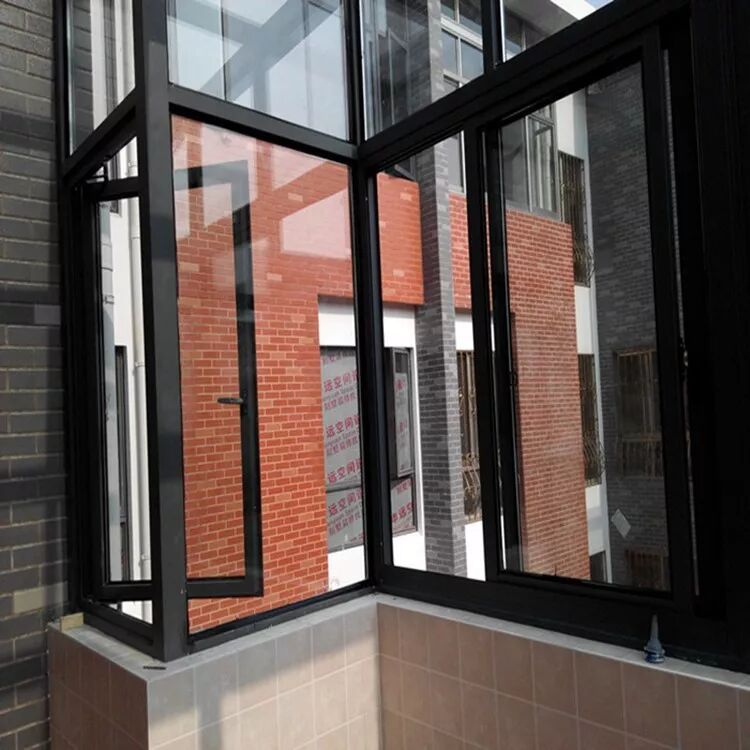
"Fire-resistant window" (耐火窗) is a colloquial term; there is currently no national standard for it. "Fire window" (防火窗) is the correct term, and such windows should meet the clauses for Class C (non-insulated) fire windows in the Fire windows standard. Fire windows come in two types. One is the fixed fire window, whose sashes cannot be opened, i.e. sealed and fixed all round. The other is the openable fire window, whose sashes can be opened and which can be closed by the fire window's opening and closing device.
Although fire windows are widely used in everyday life, they are covered by a national standard, and a product that does not meet it is non-compliant and should never be used. Under the national standard, fire windows are graded in three classes with different fire resistance times: Class A (甲级) windows no less than 1.2 hours, Class B (乙级) no less than 0.9 hours, and Class C (丙级) no less than 0.6 hours. The performance of the various Class C fire windows on the market used for refuge rooms in residential buildings is analysed below.
1. Class C steel fire windows
Advantages:
-
The steel frame has a melting point of about 1,500 °C, so its fire performance is stable and safety is assured. It meets the quality requirements for Class C fire windows in the national standard Fire windows GB 16809-2008.
-
Fire windows made from precision cold-formed steel sections using European technology have excellent air tightness, water tightness, wind load resistance and durability, with more than a century of use in China and abroad. They can genuinely protect the owner's life and property should a fire occur.
Disadvantage: relatively high cost.
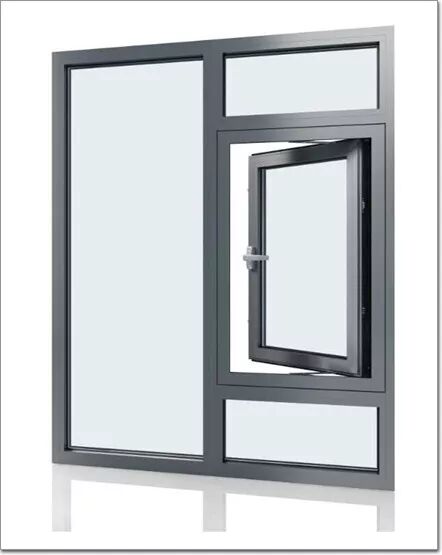
2. Class C aluminium-clad steel fire windows
Advantages: simple to make and cheap.
Disadvantages:
- Aluminium alloy melts at about 600 °C, while temperatures at a fire scene exceed 1,000 °C, so fire performance is poor. Even with steel sections inserted in the cavity and other measures, the fire performance is unstable. The opening sash in particular is the weakest point, and it is very hard to meet the fire code requirement of at least 1 h integrity. According to what we understand from within the industry, test samples of this type of window need special cooling and insulation treatment on the inner side of the aluminium sections to obtain a test report, which differs greatly from the windows actually supplied and installed.

-
As is well known, inserting steel sections into the cavity of aluminium sections causes galvanic corrosion. In the humid environment of southern China, the aluminium sections soon corrode, seriously shortening the service life of the fire window. Even the basic functions of the window may not be ensured, let alone its fire function, which is a serious safety hazard.
-
China's national product standard Fire windows GB 16809-2008 covers only steel fire windows and steel-timber fire windows; it has no clauses for fire windows built from aluminium-clad steel sections. Nor are there standards for aluminium fire windows abroad. Aluminium-clad steel fire windows therefore currently have no product standard to follow, in China or elsewhere. Without a standard to rely on, how can the quality of their design, procurement, production, testing, installation and maintenance be controlled? This is a question the industry should think hard about.





First published on our WeChat channel: read the original